
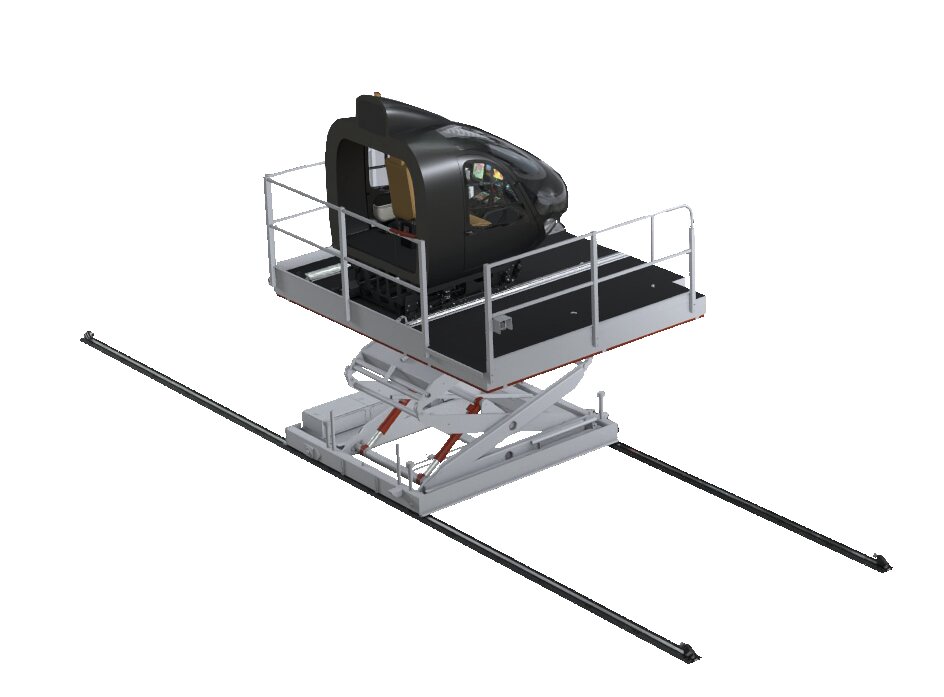
Simulation Components
Rotary
Fixed Wing
FFS
FTD
High-fidelity Simulator Cockpits
Full-scale cockpits for realistic flight and mission training.
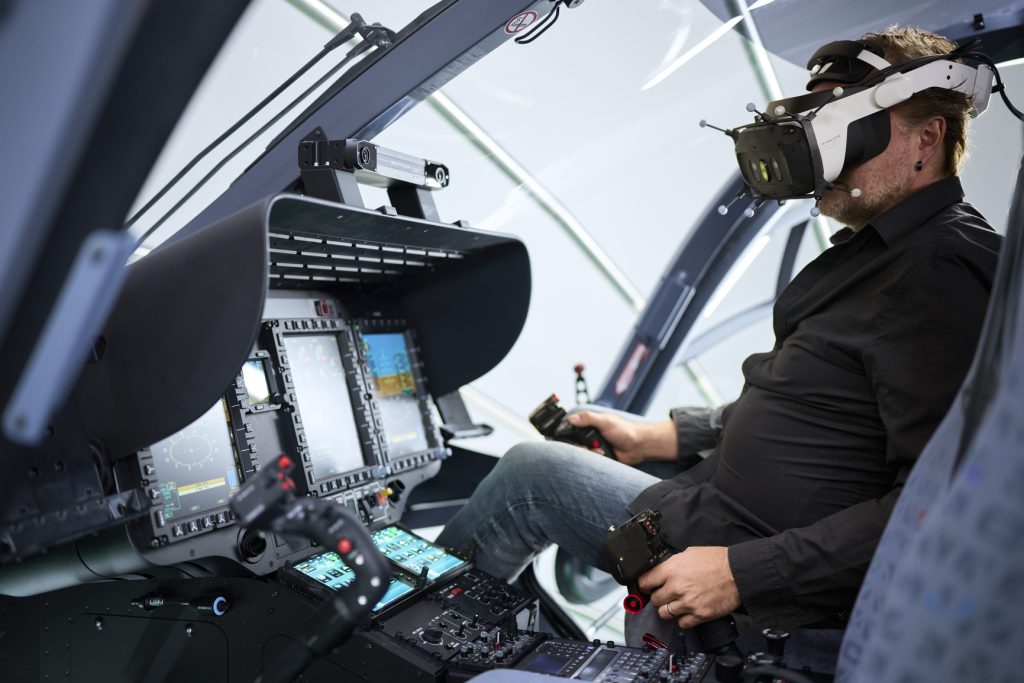
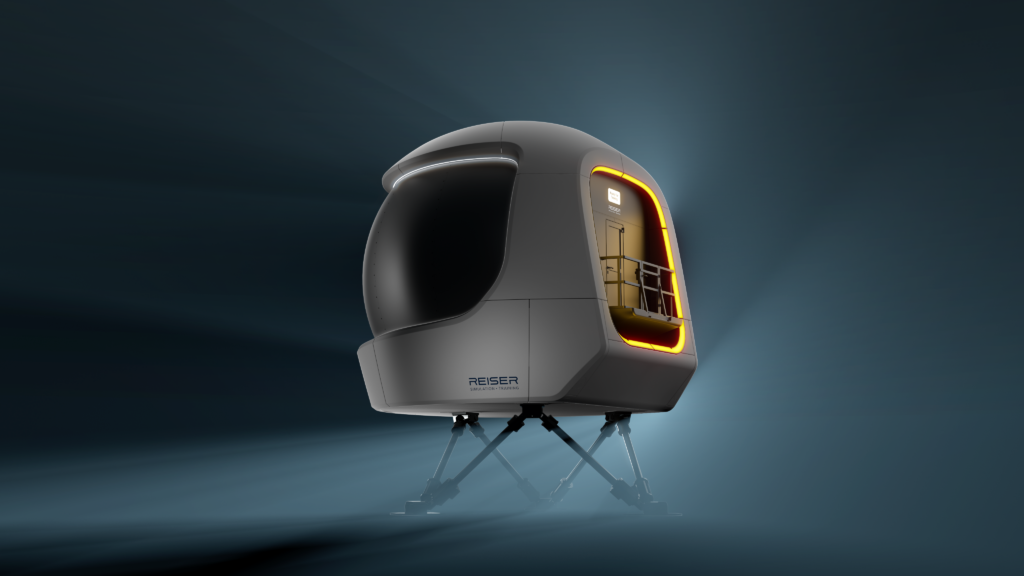
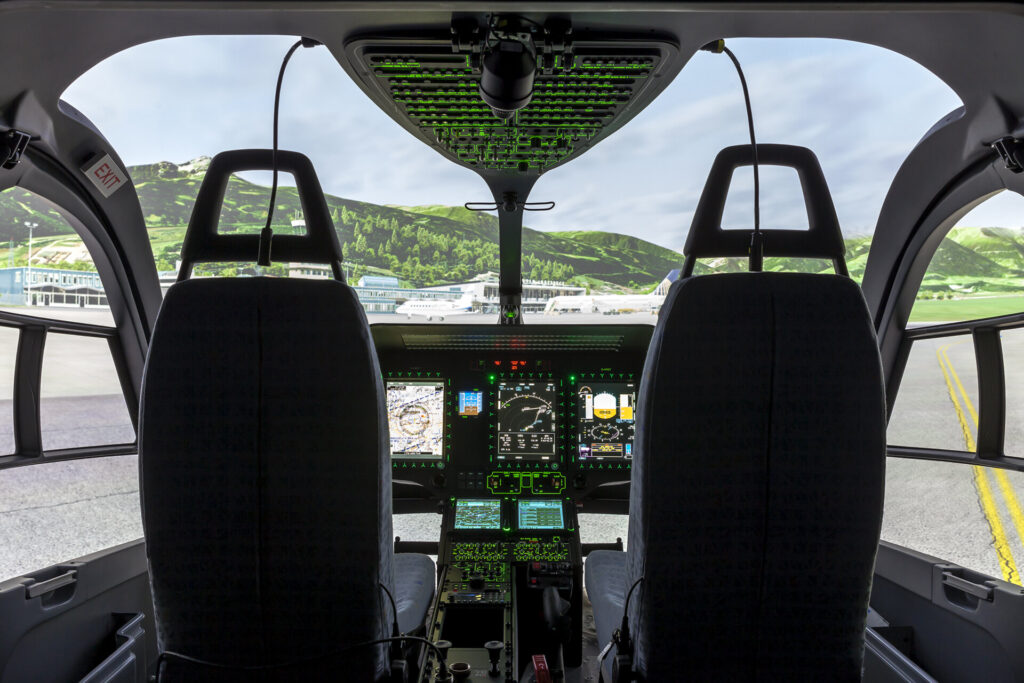
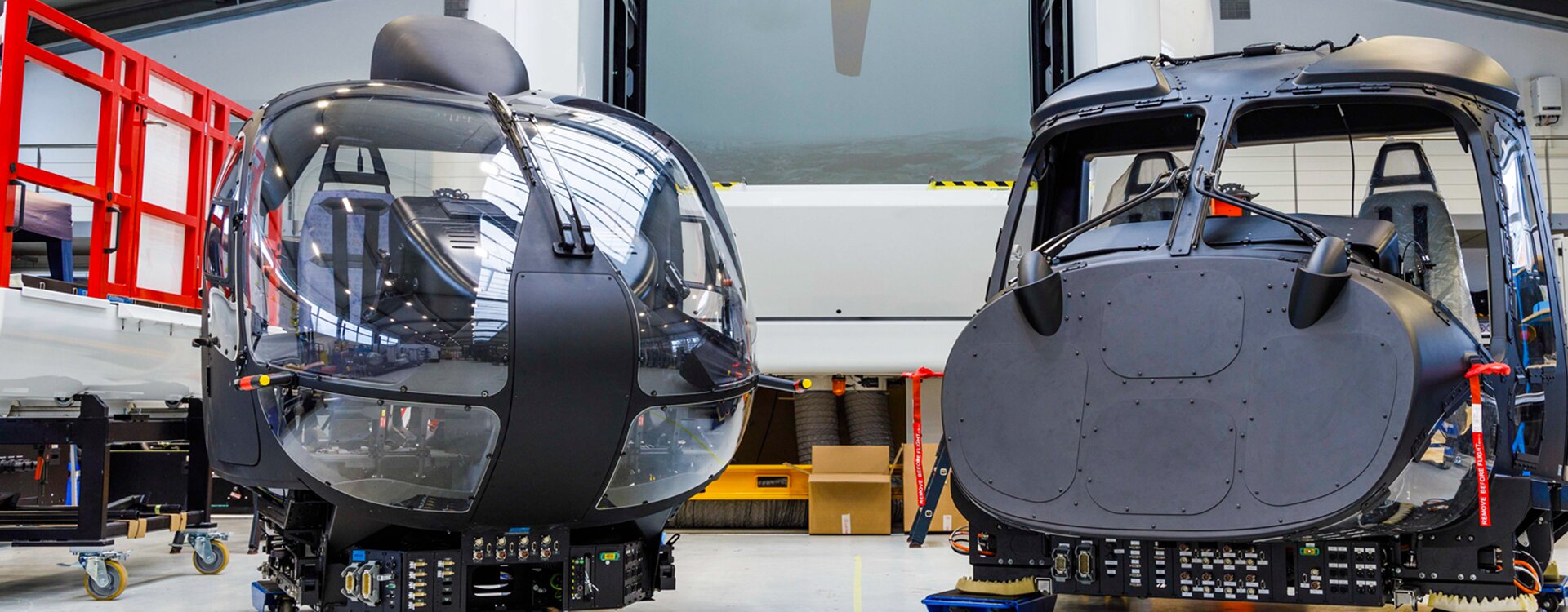
REISER develops high-fidelity simulator cockpits for helicopters and fixed wing aircraft. True-to-scale cockpit structures, replicated panels, instruments and controls form the basis for Full Flight Simulators (FFS), Flight Training Devices (FTD) and mission simulators, depending on customer requirements.
Product family
Simulation Components
Qualification
For FFS and FTD integrations
Qualification depends on the overall system
Available types
H125
H135
H145
AW139
AW169
NH90
Eurofighter Typhoon
PC-21
D 328
Available types
Full-scale simulator cockpits for rotary and fixed wing
Whether helicopter, transport helicopter, training aircraft or fighter jet, REISER develops cockpits for a wide range of aircraft types and training requirements. We adapt the exact configuration, including level of detail, integration of OEM components, interfaces and integration, to customer requirements.
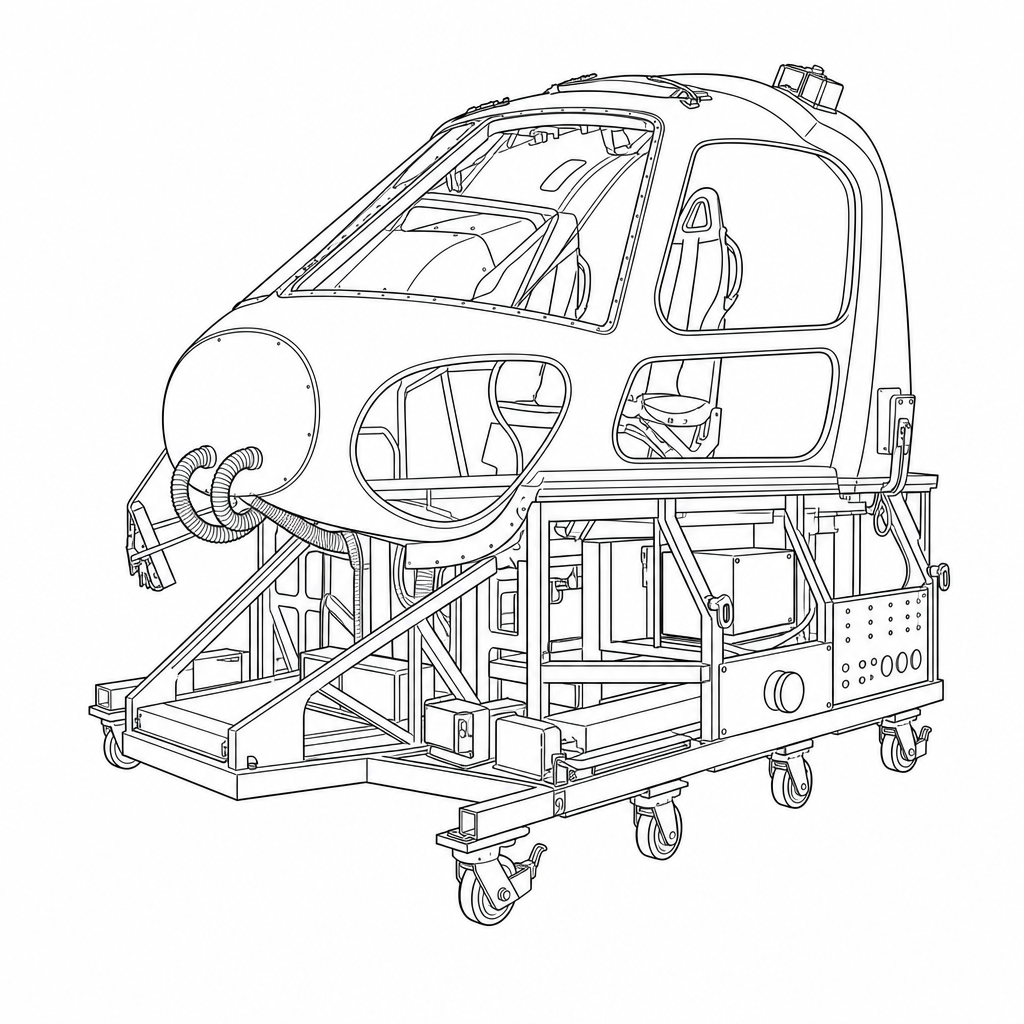
Rotary
Fixed Wing
Cockpits / Rotary
Airbus
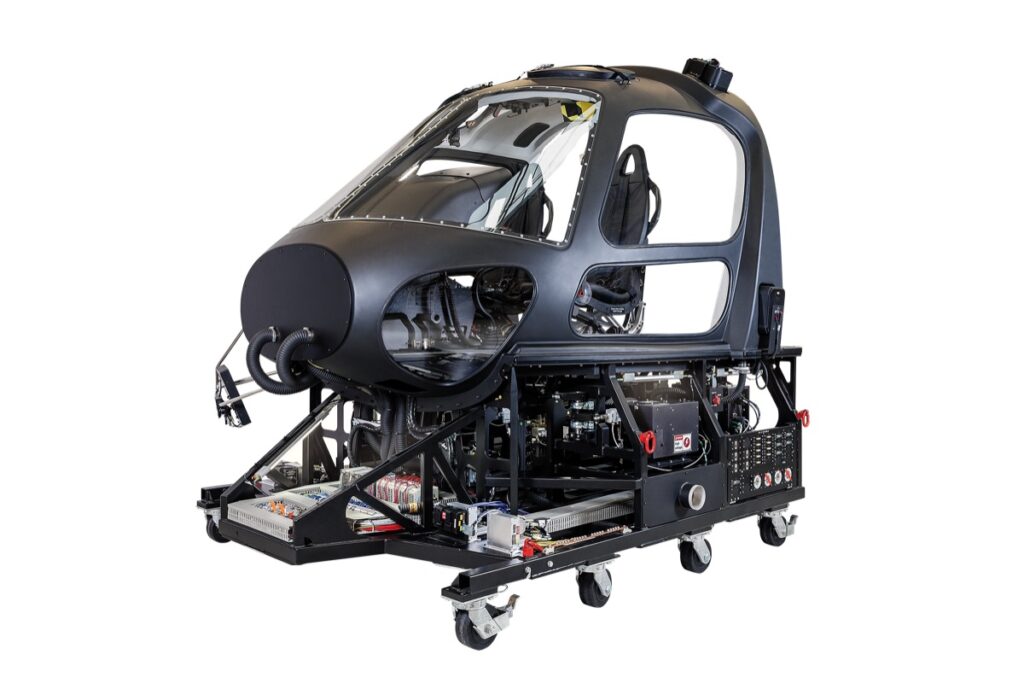
H125
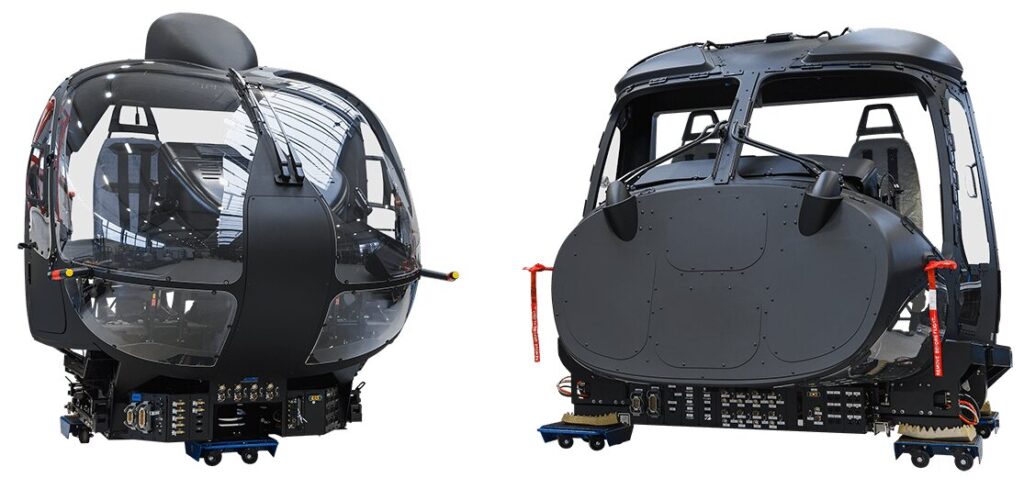
High-fidelity simulator cockpit for the Airbus H125. The true-to-scale structure together with replicated panels, instruments and controls forms the basis for FFS and FTD integrations.
Airbus
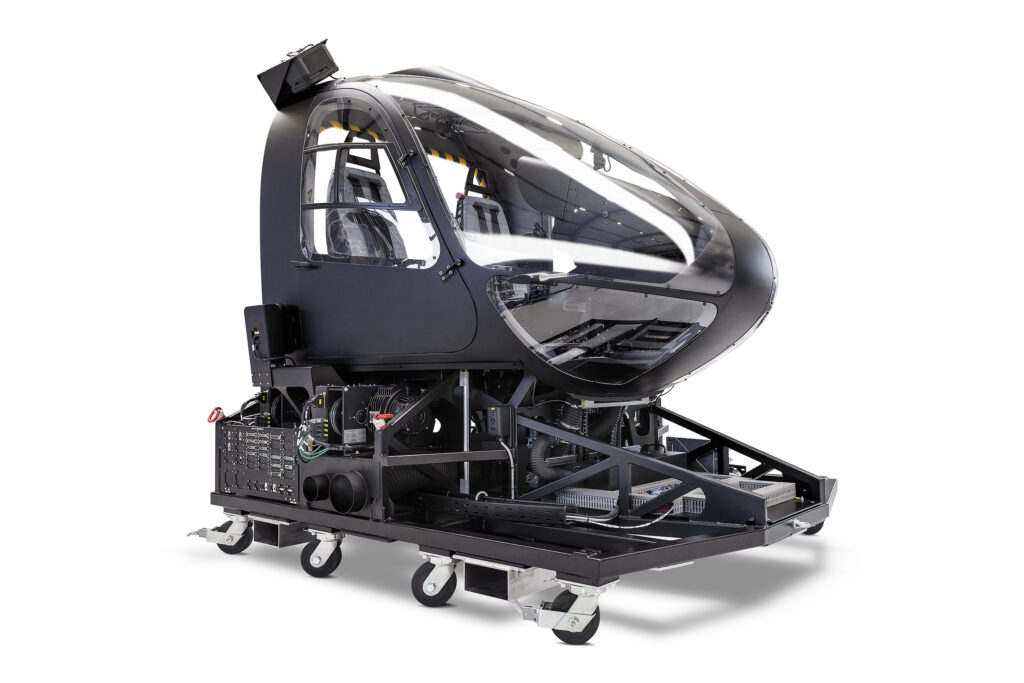
H135
Simulator cockpit for the Airbus H135 with a type-specific cockpit structure and operating logic. Depending on the project, the cockpit can be built as a stand-alone solution or as part of an integrated training environment.
Airbus
H145
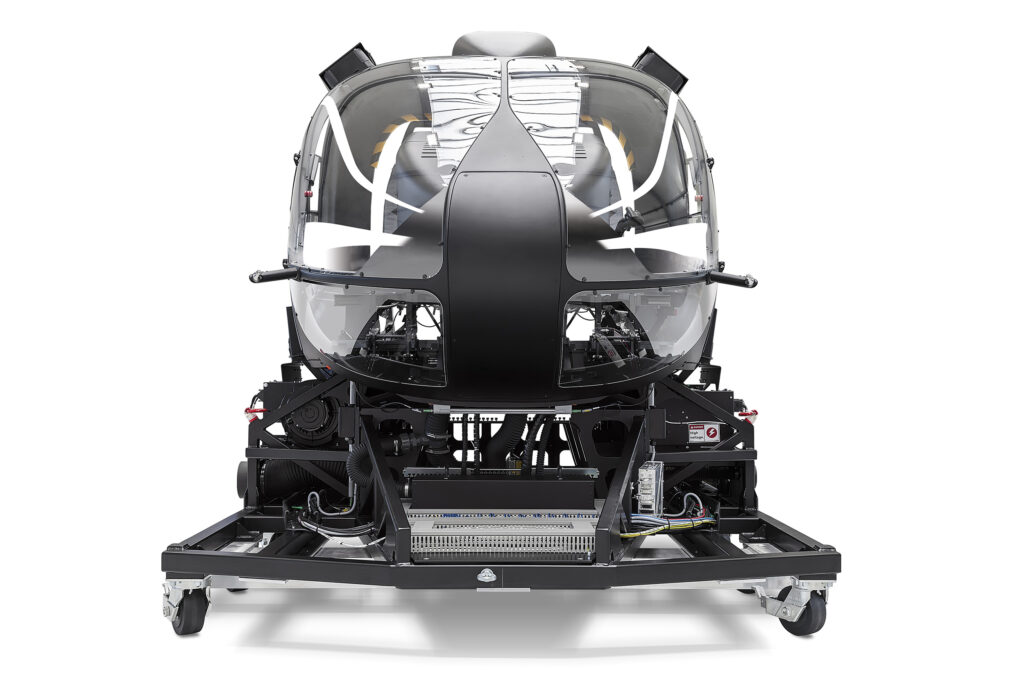
High-fidelity simulator cockpit for the Airbus H145. The configuration can be adapted to the intended training environment, the system architecture and the scope of integration.
Leonardo
AW139 / AW169
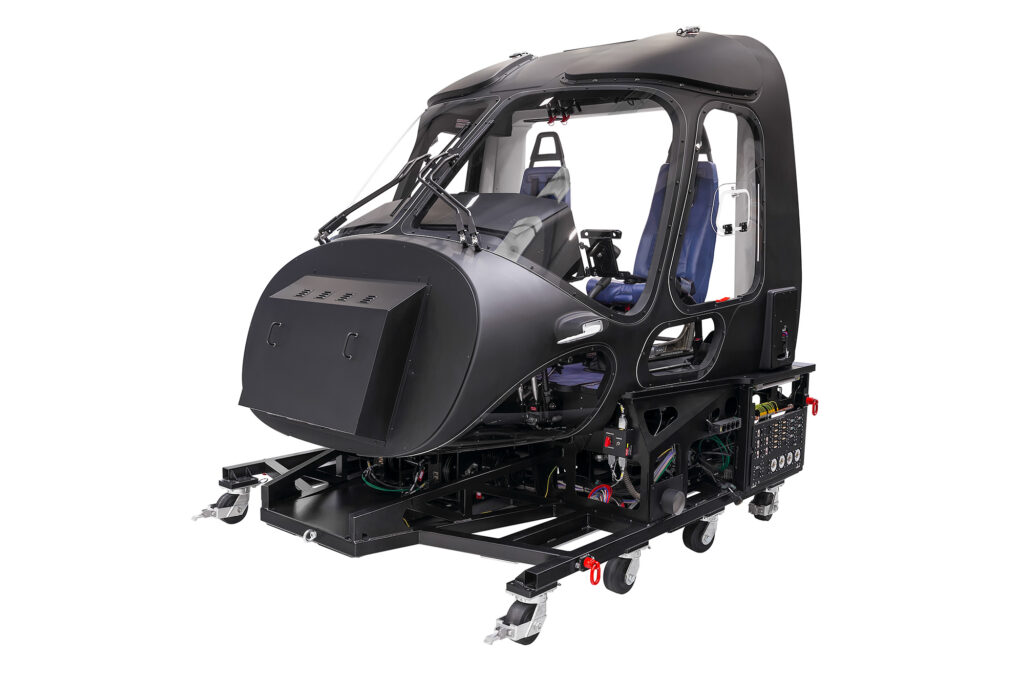
Simulator cockpits for the Leonardo AW139 and AW169, with fully replicated cockpit equipment or integrated OEM components. The cockpits can be prepared for use in the REISER RoRo system.
NHIndustries
NH90
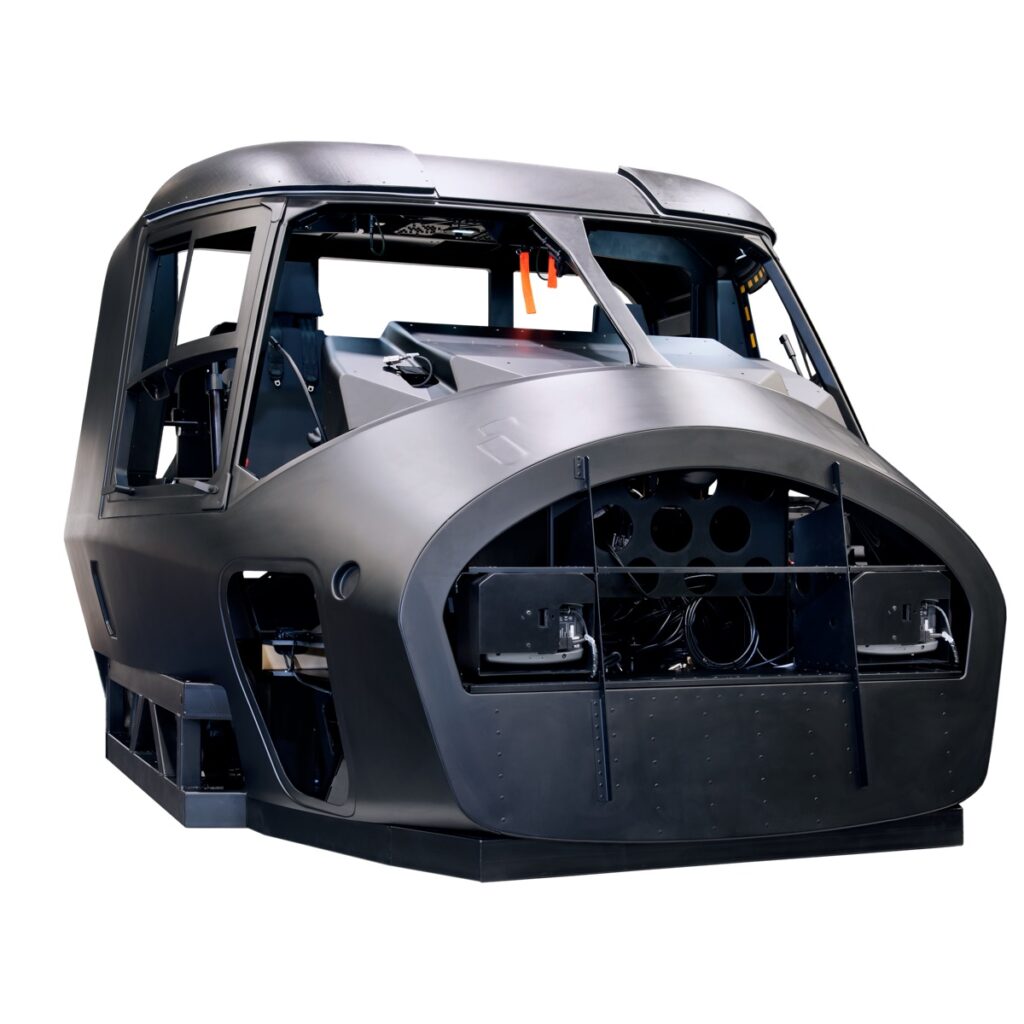
High-fidelity simulator cockpit for the NH90 with extensive panel, instrument and control equipment. The REISER architecture supports a reliable, maintainable training solution that can be planned with confidence over the long term.
Rotary
Fixed Wing
Cockpits / Fixed Wing
Pilatus
PC-21
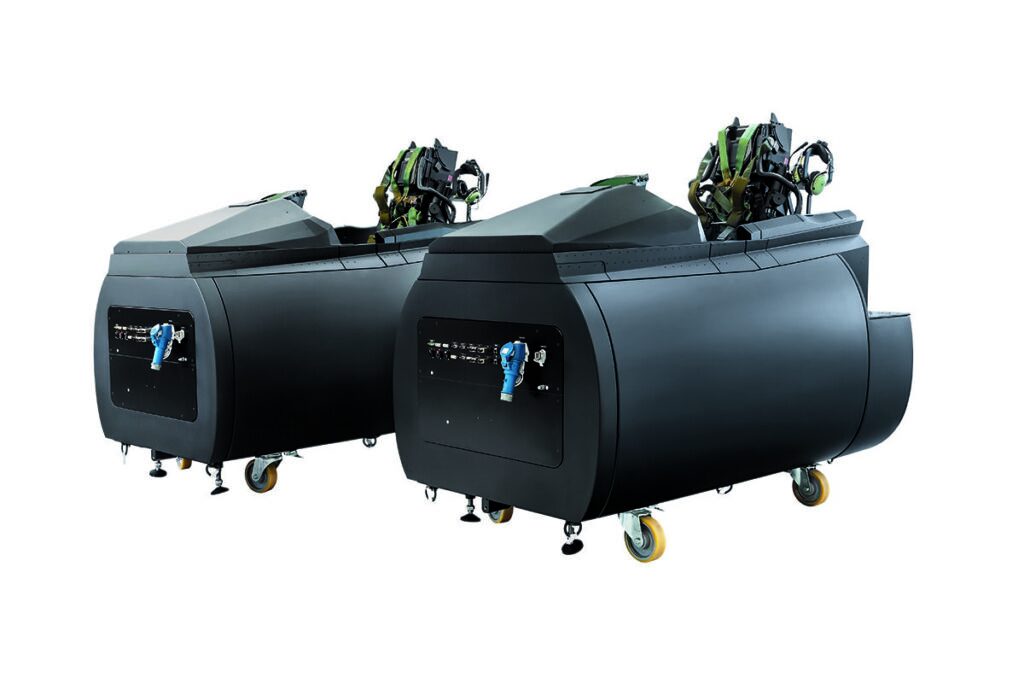
Simulator cockpit for the Pilatus PC-21. The exact configuration is matched to the training system, the intended replica level and the planned interfaces.
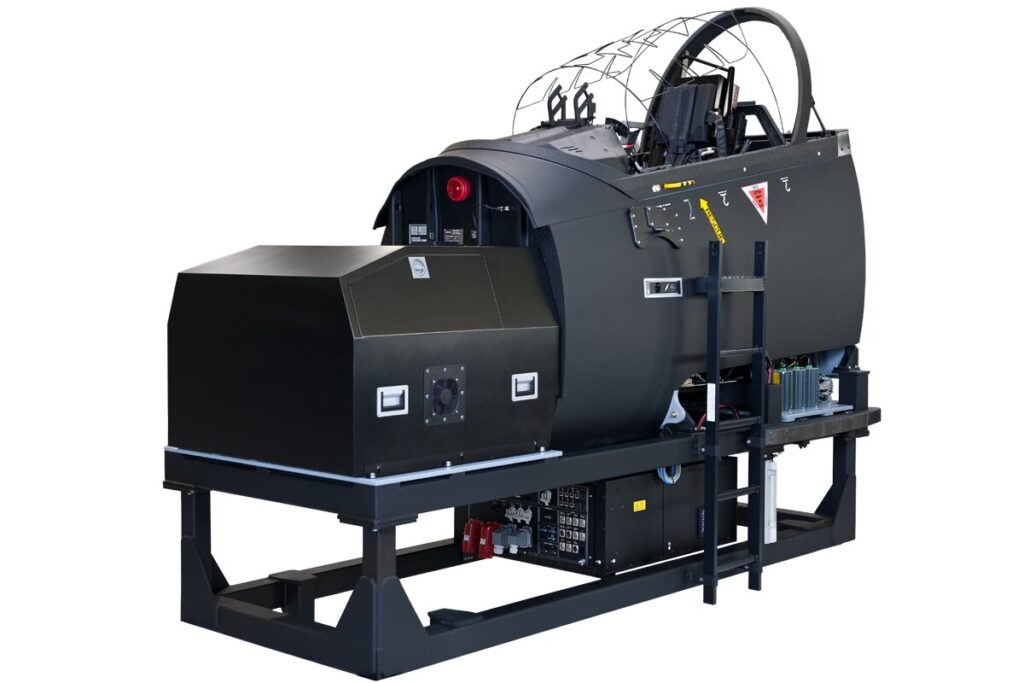
Eurofighter
Typhoon
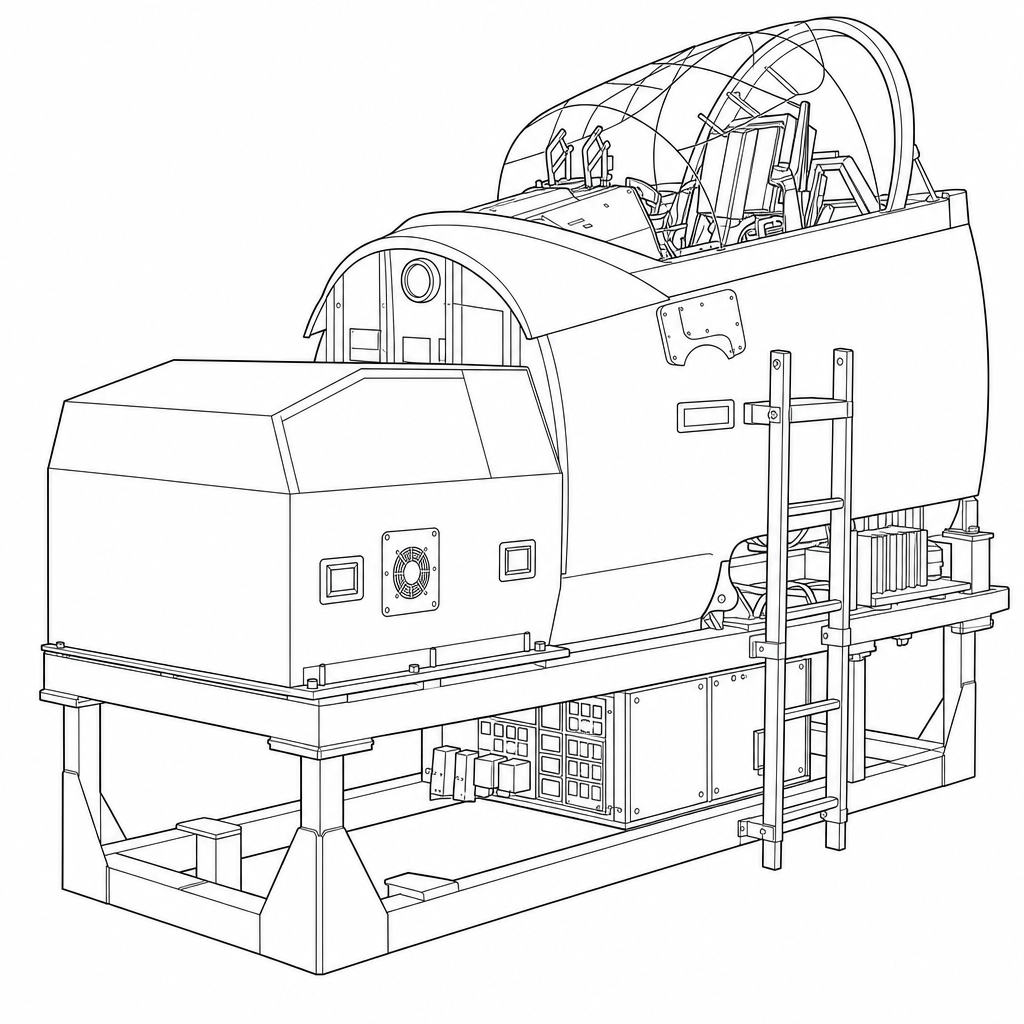
The REISER Eurofighter Typhoon cockpit reproduces panels, instruments and control levers as high-fidelity replicas. A G-seat motion cueing system, a simulated anti-G system and a breathing air system can be integrated as options.
Dornier
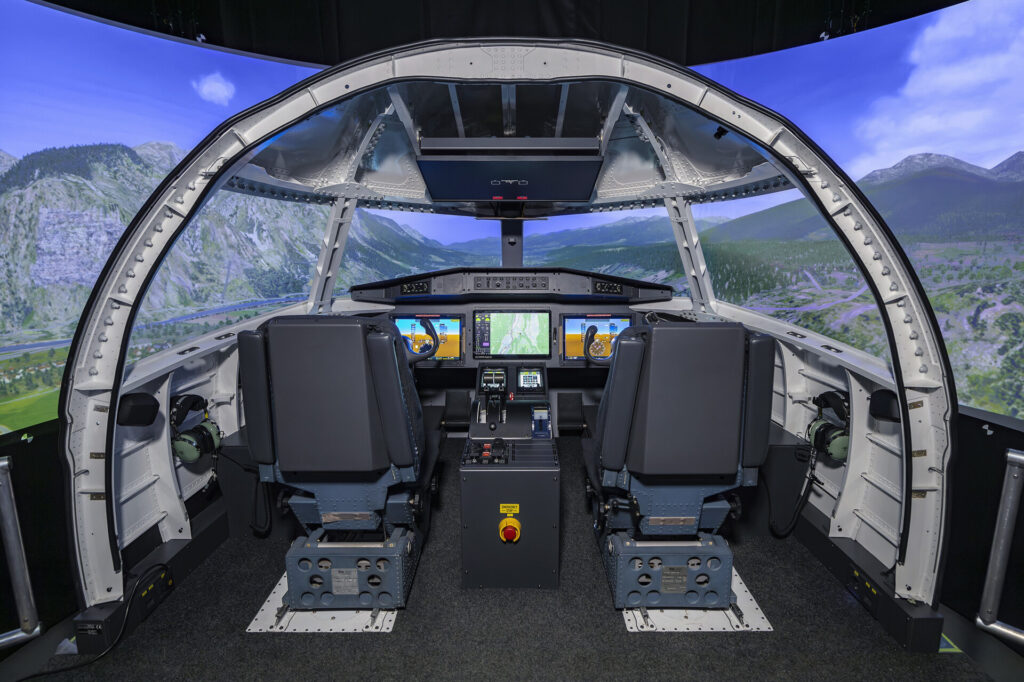
D 328
High-fidelity simulator cockpit for the Dornier Do 328. The true-to-scale cockpit structure, instrumentation and operating logic form the basis for integration into professional training and simulation systems.
Overview
The cockpit at the heart of training
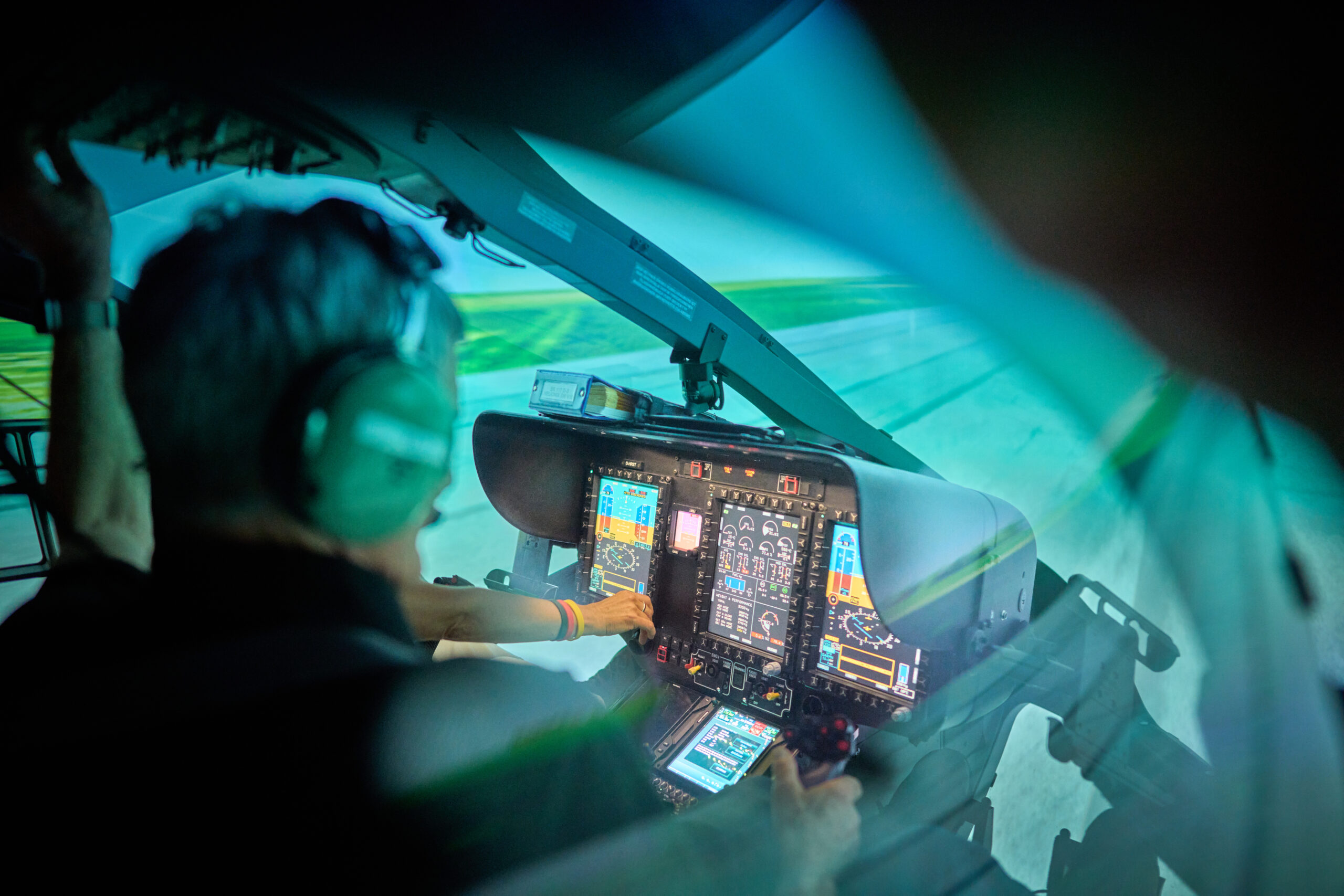
Realistic training starts where pilots interact with the system, in the cockpit. REISER simulator cockpits combine true-to-scale geometry with type-specific hardware and a level of detail matched to the training requirement.
The challenge
Training systems have to meet several requirements at once. They should handle like the real aircraft, run reliably in daily service and keep pace with changing configurations. At the same time, original parts are hard to source, maintenance-intensive and, above all, not designed for use in a simulator.
The solution
REISER develops full-scale cockpits as a stand-alone hardware solution or as part of an FFS, FTD or mission simulator. Replicated panels, instruments and controls are developed specifically for simulator use and run on a high-performance I/O and bus architecture. The result is a realistic cockpit matched to the platform, the training objective and the intended system architecture.
The benefits
Full-scale fidelity for realistic operation
Replicated cockpits independent of the OEM supply chain
Maintainable and durable design
Flexible integration into FFS, FTD and mission simulators
Typical application scenarios
FFS
FTD
Mission Simulator
Stand-alone Integration
Cockpit Interchange
The system in detail
A high-fidelity simulator cockpit is more than a true-to-scale shell. REISER combines structure, controls, control loading and interfaces into a robust hardware basis for professional training systems.
1
Replica & structure
The cockpit structure is designed true to scale for the respective aircraft type. Panels, instruments and controls can be manufactured as REISER replicas or, depending on project and availability, combined with OEM components. The design accounts for accessibility and efficient maintenance from the outset.
Full-scale cockpit structure, true to scale
High-fidelity panels, instruments and controls
Replicas or integrated OEM components
Maintenance-friendly design
Versions for rotary and fixed wing
2
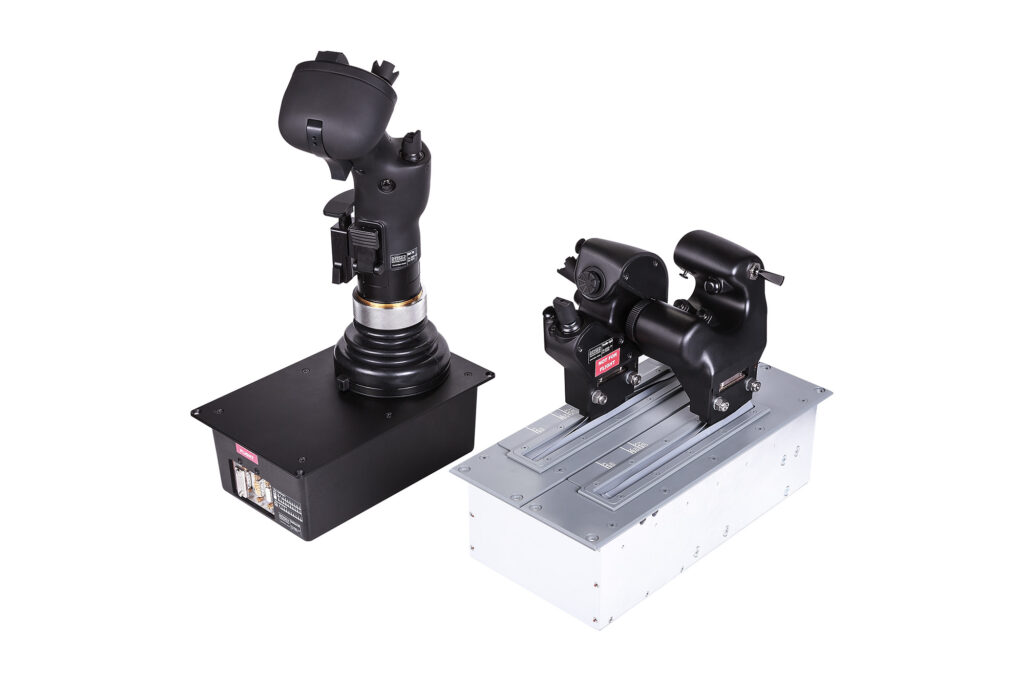
Control Loading System (CLS)
Realistic control and operating forces are an important part of cockpit interaction. Depending on the application, a control loading system can be integrated to simulate control forces realistically.
Type-specific controls and levers
Integration of a control loading system depending on the version
Realistic haptic feedback
Adaptation to FFS, FTD and mission requirements
Optional dedicated cueing systems for military applications
3
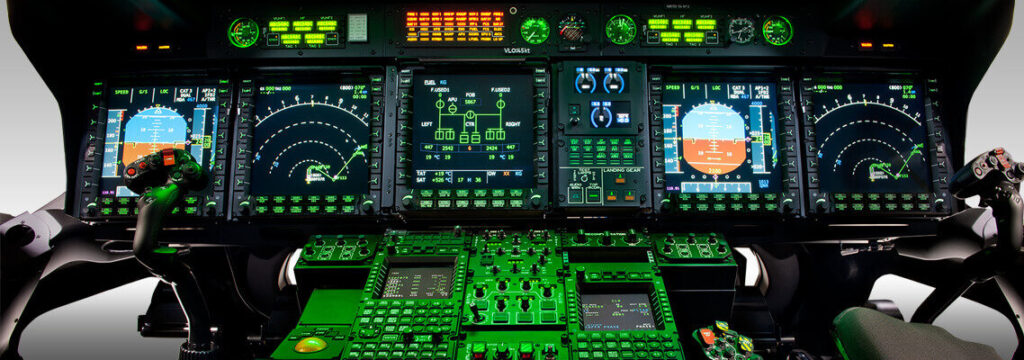
Architecture & I/O
The cockpits use the REISER CAN bus architecture and the established REISER CANaerospace protocol. In-house I/O boards connect panels, instruments and controls to the host simulator and create a clear basis for reliable and maintainable system integration.
REISER CAN bus architecture
REISER CANaerospace protocol
In-house I/O boards
Interfaces to the host simulator
High reliability and predictable maintenance
Obsolescence control through REISER design and vertical integration
4
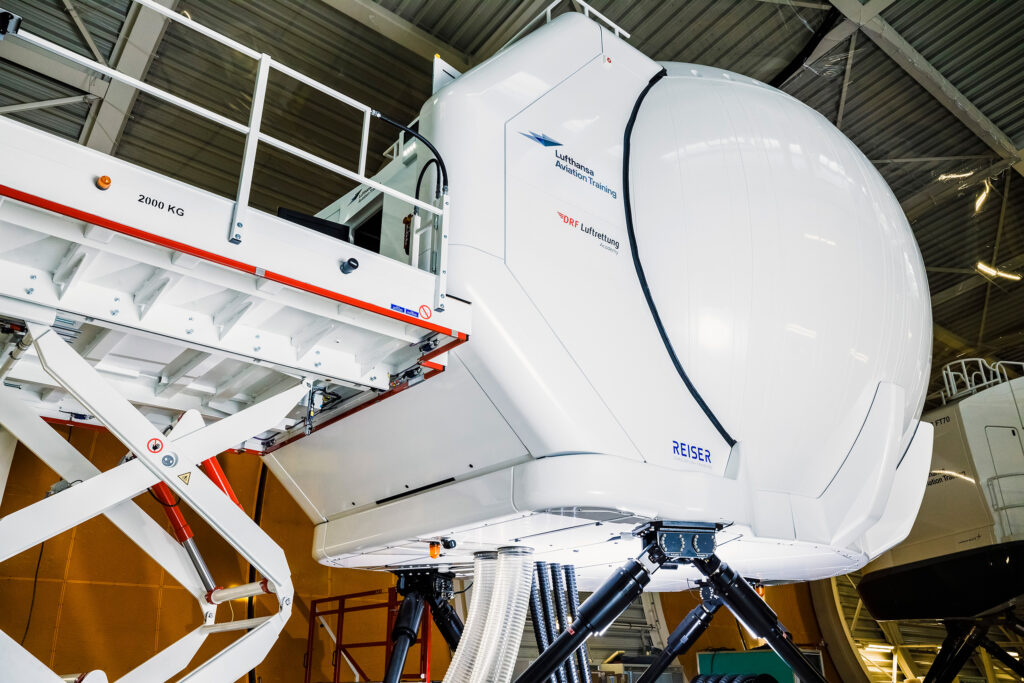
RoRo & Interchange
Selected helicopter cockpits can be designed for integration into the REISER RoRo system. Cockpit modules can then be exchanged within a suitable simulator platform. Alternatively, the cockpits can be integrated into FFS, FTD or mission simulators as a stand-alone hardware solution.
Prepared for REISER RoRo platforms
Cockpit changeover within suitable system architectures
Stand-alone integration possible
Adaptation to existing simulator bays and interfaces
Project-specific design of mechanics and I/O
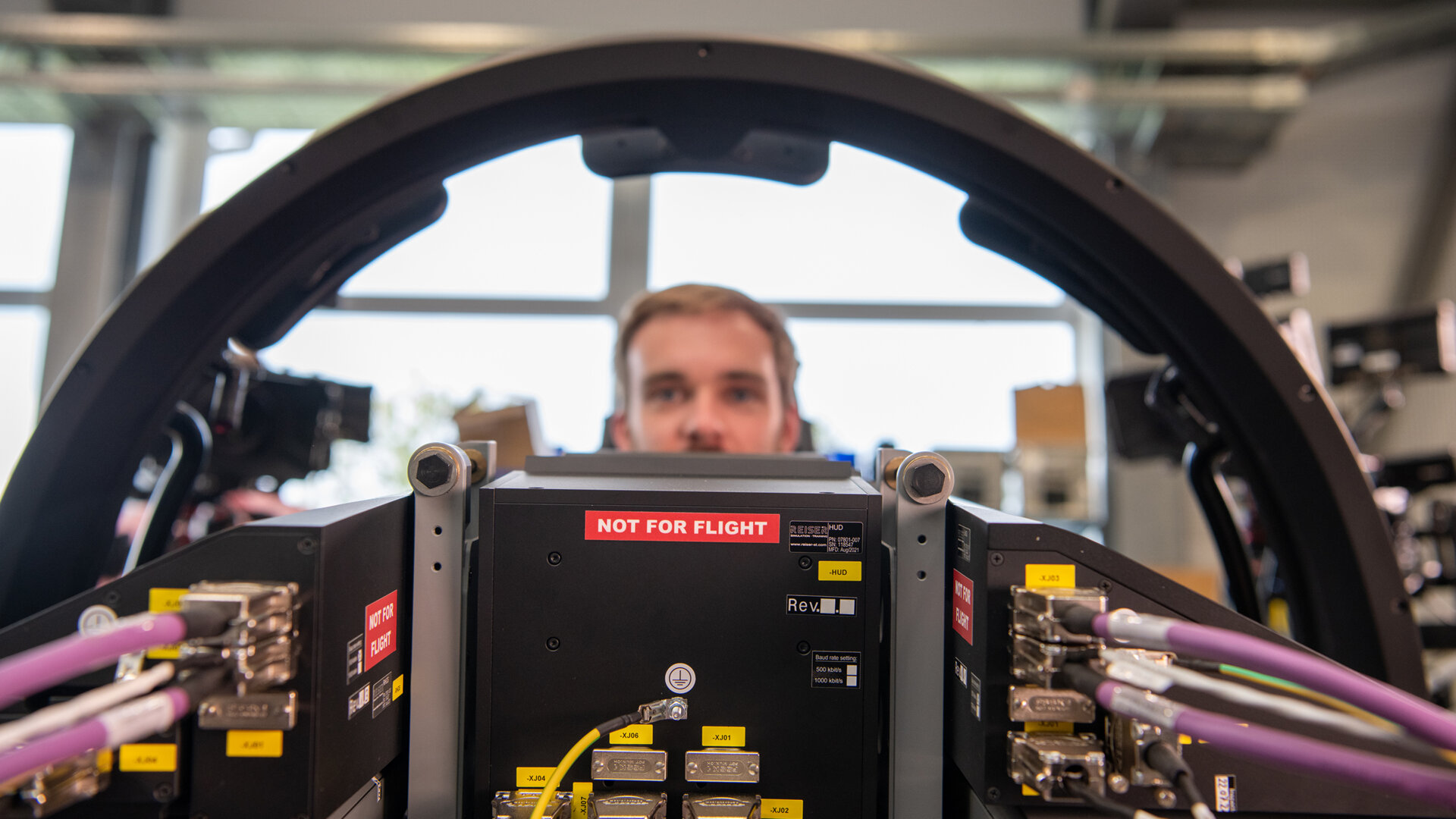
Experience our simulator cockpits live.
On site in Berg or remotely. Our experts show you the system in operation and answer technical questions directly.
FAQ
Typical questions about high-fidelity simulator cockpits, from type availability to integration.
Which aircraft types are available?
REISER offers high-fidelity simulator cockpits for the Airbus H125, H135 and H145, the Leonardo AW139 and AW169, the NH90, the Eurofighter Typhoon and the Pilatus PC-21. Actual availability and configuration are confirmed based on aircraft type, training objective and project scope.
Can the cockpits be integrated into a REISER RoRo platform?
Yes. Suitable helicopter cockpits can be prepared for the REISER RoRo system and integrated into a matching simulator architecture as interchangeable modules. The mechanical, electrical and software interfaces are agreed on a project basis.
Are the cockpits also available as a stand-alone solution?
Yes. The cockpits can be used as a stand-alone hardware solution or as part of a Full Flight Simulator, Flight Training Device or mission simulator. The exact scope of integration depends on the system environment.
Do you use original parts or replicas?
Both are possible. REISER develops high-fidelity replicas of panels, instruments and controls. Depending on the project, original or OEM components can also be integrated. The right strategy is defined on the basis of training objective, availability, interfaces and life cycle requirements.
Are the cockpits suitable for FFS and FTD qualifications?
The cockpits are designed for integration into FFS and FTD systems. Qualification always applies to the complete training system, not to the cockpit in isolation. Requirements for replica level, hardware, software and evidence are therefore defined at the level of the specific system configuration.
How are panels and controls connected to the simulator?
The cockpits use the REISER CAN bus architecture and the REISER CANaerospace protocol. In-house I/O boards connect the cockpit components to the host simulator. The exact interface design is adapted to the respective platform and system environment.
Can control loading and dedicated cueing systems be integrated?
Depending on the cockpit and the training requirement, controls, control loading and further cueing systems can be integrated. For military applications this includes G-seat motion cueing as well as simulated anti-G and breathing air systems.
How is long-term maintainability ensured?
The cockpits are designed with accessibility, maintenance and long-term operation in mind. REISER replicas, in-house I/O boards and the CAN bus architecture reduce dependence on individual OEM components and support predictable maintenance.