
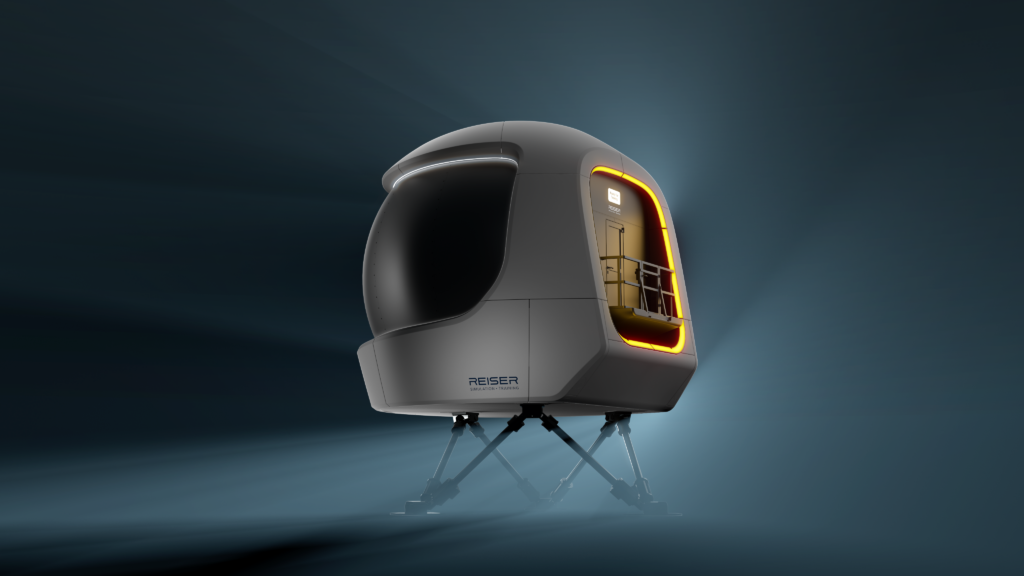
System understanding grows where the system reacts.
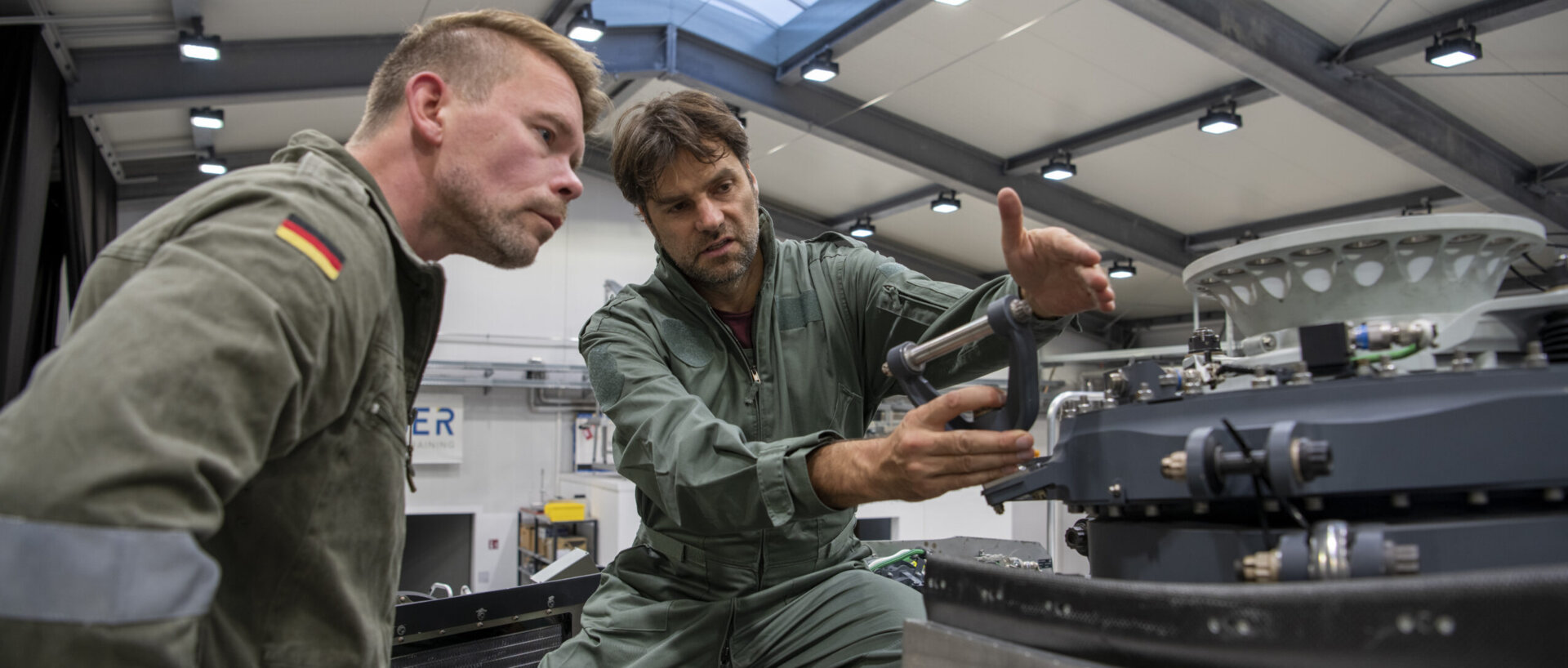
Maintenance Training covers technical procedures, system states and fault patterns in a training environment. Maintenance personnel train fault finding, diagnostics, removal and installation as well as the documentation of work steps, repeatably and matched to the respective system.
To do this, REISER develops and integrates training systems that take real components, interfaces and system behavior into account. The specific implementation depends on the platform, the task and the training objective.
Fields of application
Every platform and every operational environment places its own demands on simulation and training. REISER develops training systems that match the respective system, operational profile and training objective, in the air, on land and at sea.
Air
From the cockpit to the Full Flight Simulator
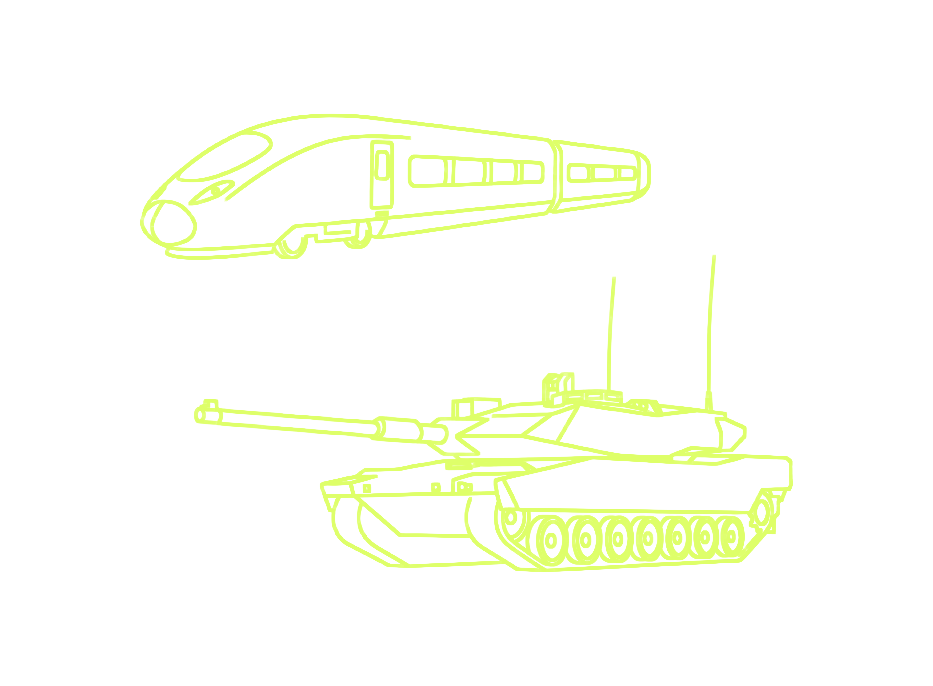
Land
Driving and operating simulation for land transport
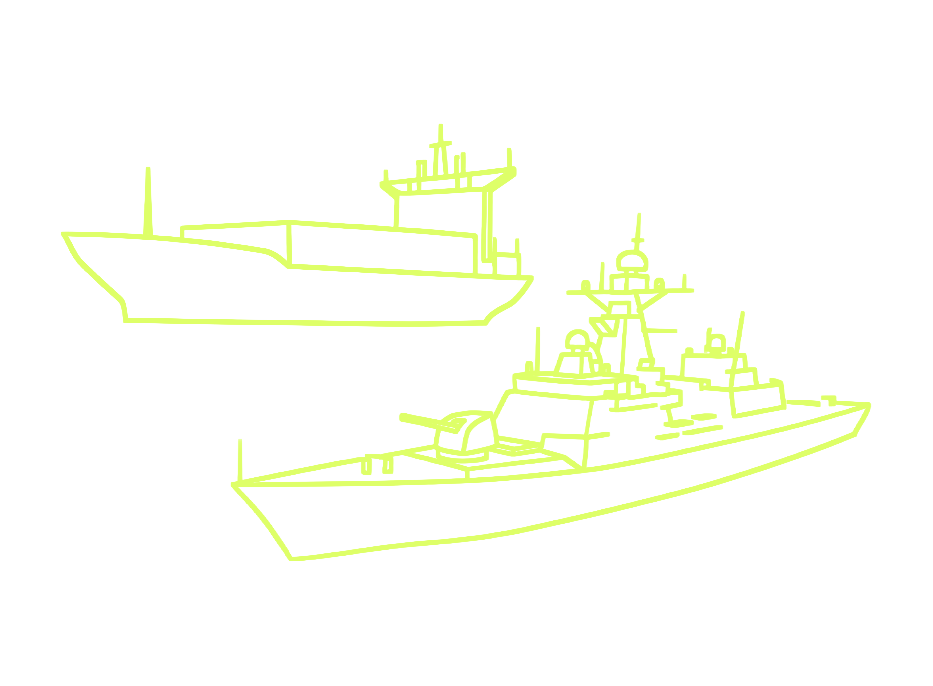
Sea
Training for operations and rescue over water
Make technical procedures trainable.
Maintenance Training covers technical procedures, system states and fault patterns in a way that lets them be trained and checked repeatedly.
In focus
Technical competence and procedural confidence in handling the respective system.
What is trained
Fault finding, diagnostics, maintenance procedures, removal and installation as well as the documentation of work steps and fault patterns.
Implementation
Physical components, training rigs, part task trainers and further project-specific training systems, matched to the platform, the task and the operational environment.
Fields of application
Air · Land · Sea · further platforms and operational profiles on request
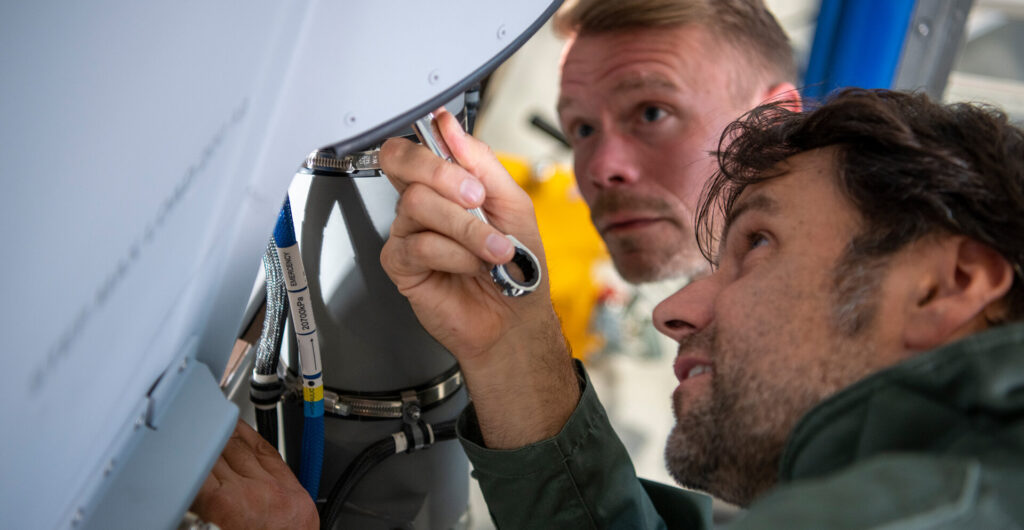
System understanding does not come from a diagram.
Technical procedures consist of more than individual work steps. What matters is how a system reacts to operation, states and faults.
Maintenance Training maps these relationships in a controlled training environment. Technical procedures, fault patterns and reactions can therefore be trained and checked repeatedly.
Find, isolate and document faults.
Maintenance starts with a structured diagnosis. Training covers the recognition of fault patterns, the isolation of possible causes and the selection of the next work steps. Depending on the system, the removal and installation of assemblies, work on physical components and the documentation of results are part of it as well.
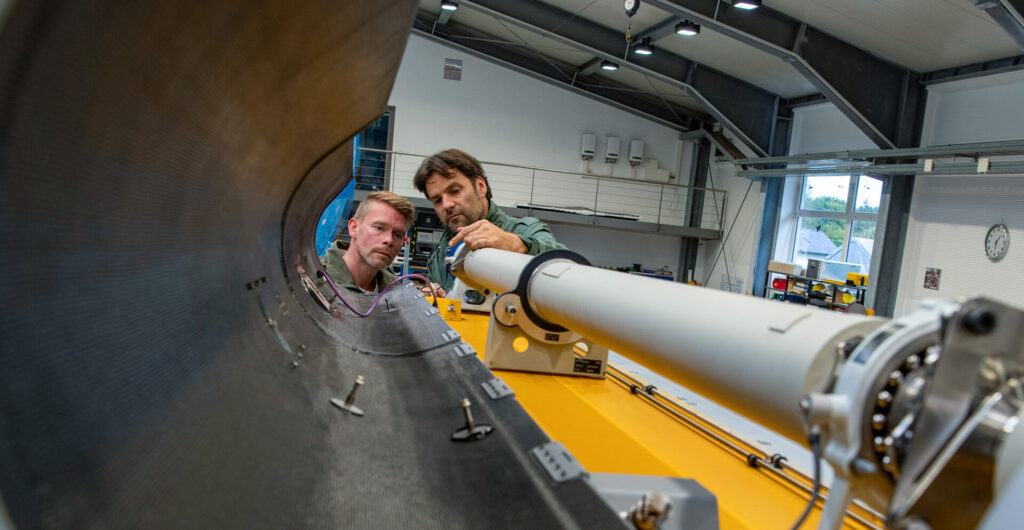
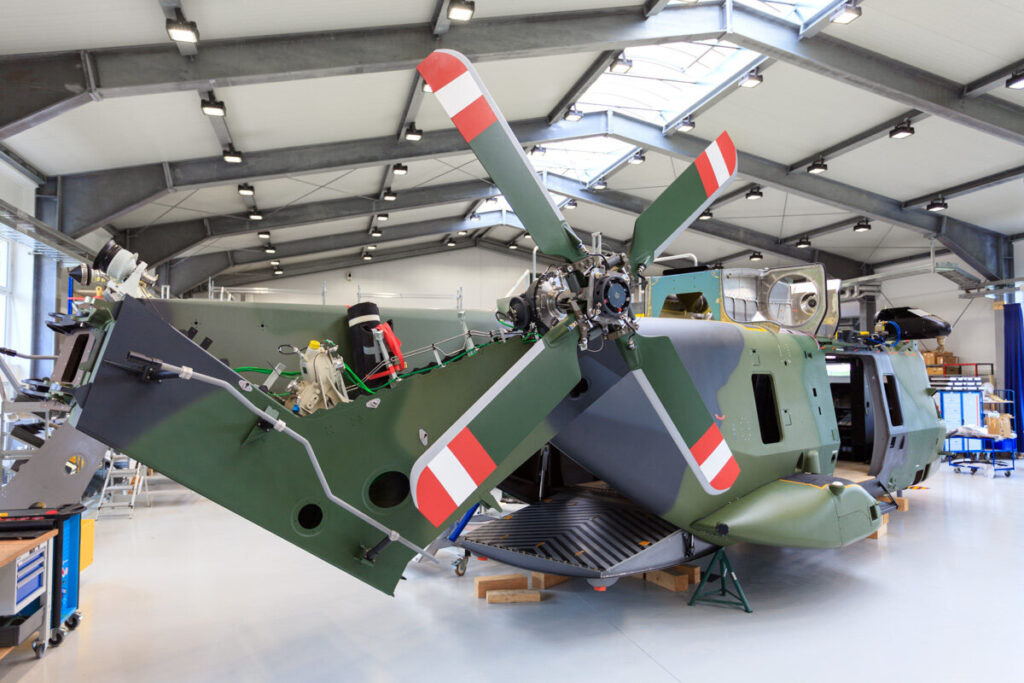
From system behavior to a trainable procedure.
REISER analyzes the real system, its assemblies, interfaces and observable reactions. The result is a training environment that can reproduce defined actions, states and fault patterns.
Technical procedures can therefore be trained on individual components, in training rigs or in an integrated system environment.
Built on these REISER competencies
The same competency model sits behind every REISER solution, from the real system to long-term support. For Maintenance Training these five steps interlock. Each competency can also be booked on its own, as an engineering or OEM service.
Data acquisition
Real systems, behavior and technical context as the basis.
Design & Modeling
Findings become models, system logic and specification.
Production & Integration
Manufacturing depth and system assembly, hardware and software become one.
Training solution
A qualifiable, immersive and application-oriented solution.
Long-term support
Life cycle, updates and obsolescence management.
Maintenance Training, delivered in real programs.
See how operators have built their maintenance training with REISER.
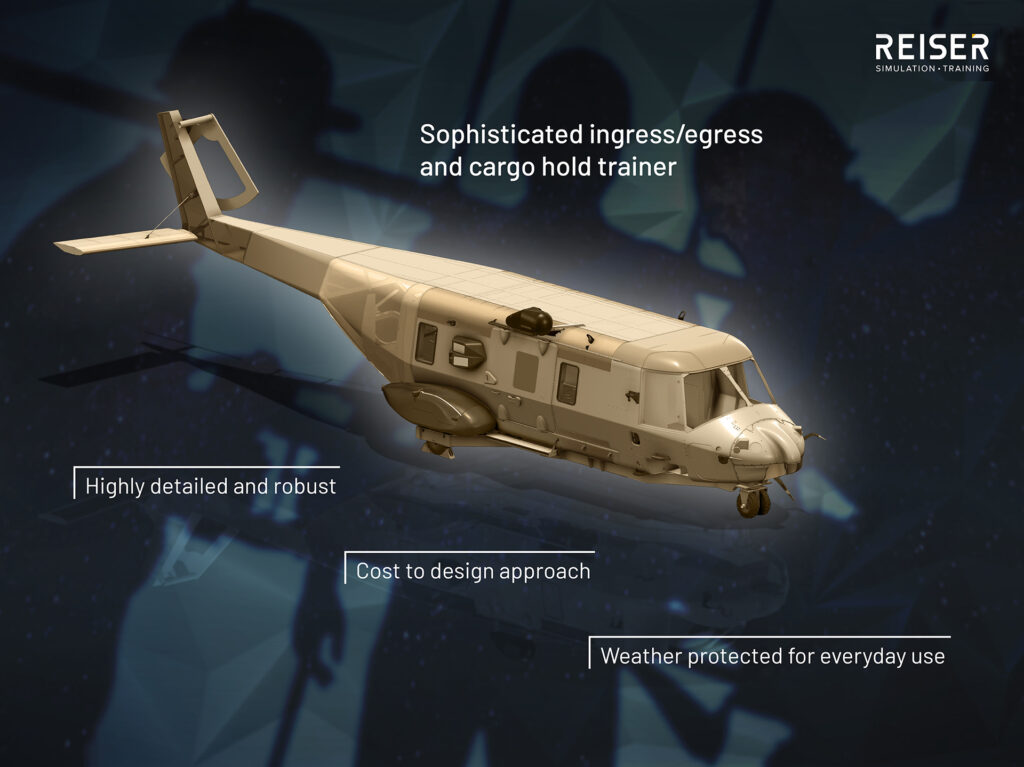
Sophisticated NH90 Rear Cabin Trainer – Sustainability is Key
REISER Simulation and Training (RST) has recently been awarded a contract for the provision of the NH90 Rear Cabin Trainer by its highly regarded clients, NAHEMA (NATO Helicopter Management …
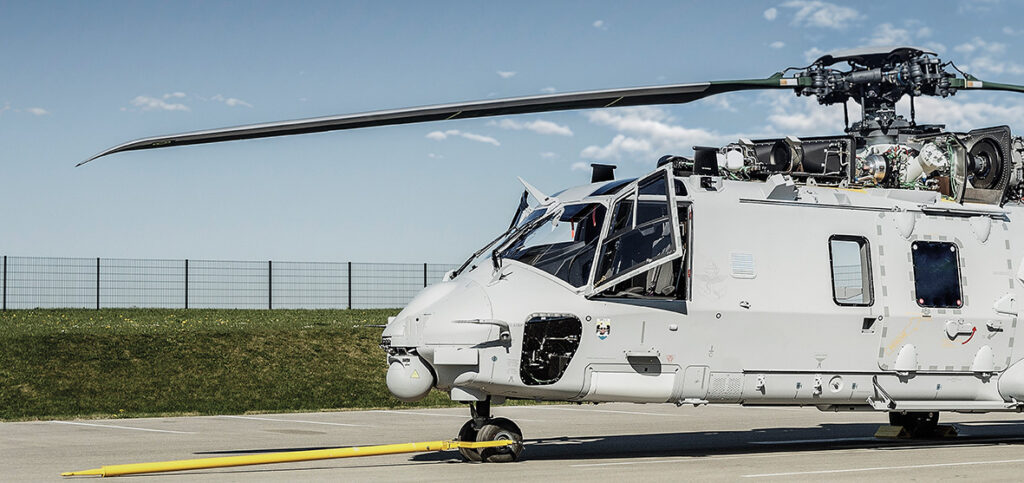
New contract for the NH90 Sea Tiger Maintenance Training Rig
Reiser Simulation and Training reports a new NH90 Maintenance Training Rig (MTR) contract for the German Navy. The state-of-the-art training system will replicate the latest NH90 Sea Tiger …
Which maintenance task needs to become trainable?
Discuss with REISER which assemblies, fault patterns and procedures your training environment should cover.
The systems behind this solution.
Depending on the task, different systems and components can be combined.
FAQ
The most common questions on Maintenance Training, from real system behavior and fault finding to project start.
What does Maintenance Training at REISER cover?
+
Maintenance Training covers technical procedures, diagnostics, fault finding and procedural confidence in a technical training environment. Depending on the requirement, the removal and installation of assemblies, work on physical components and the documentation of fault patterns can be trained as well.
Which tasks can be trained?
+
These include fault isolation, diagnostics, maintenance procedures, removal and installation, working with technical components as well as the documentation of work steps and fault patterns.
How is real system behavior reproduced?
+
REISER analyzes the real system, its assemblies, interfaces and reactions. Training systems are then developed that can reproduce defined states, actions and fault patterns. Which functions are required depends on the respective system and training objective.
How does a Maintenance Training project start?
+
It starts with the training objective, the system to be trained, the relevant assemblies and the technical requirements. REISER then develops the matching training environment, from a single part task trainer or training device to a customer-specific training system.