
Research and
Development
New training methods take shape in joint projects
At REISER, research is not a side activity. It is the route on which new training methods take shape before they go into series production. In publicly funded joint projects we work with scientific partners on questions that a single customer project cannot answer, and we then transfer the results into qualifiable systems.
ARTE is our current joint project with the German Aerospace Center (DLR). Its results feed into the further development of certifiable AR and MR simulators, and therefore into systems that we go on to build ourselves.
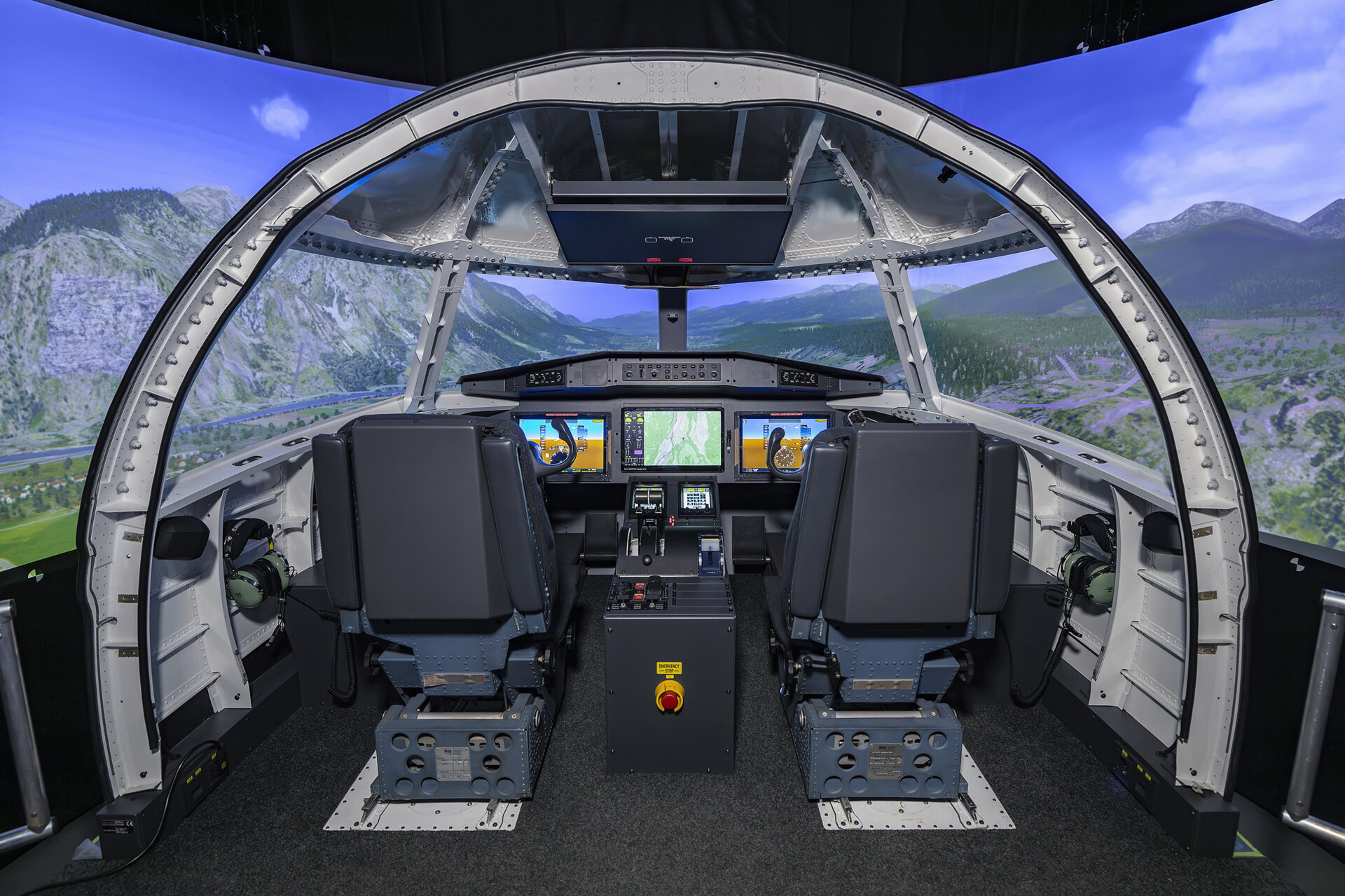
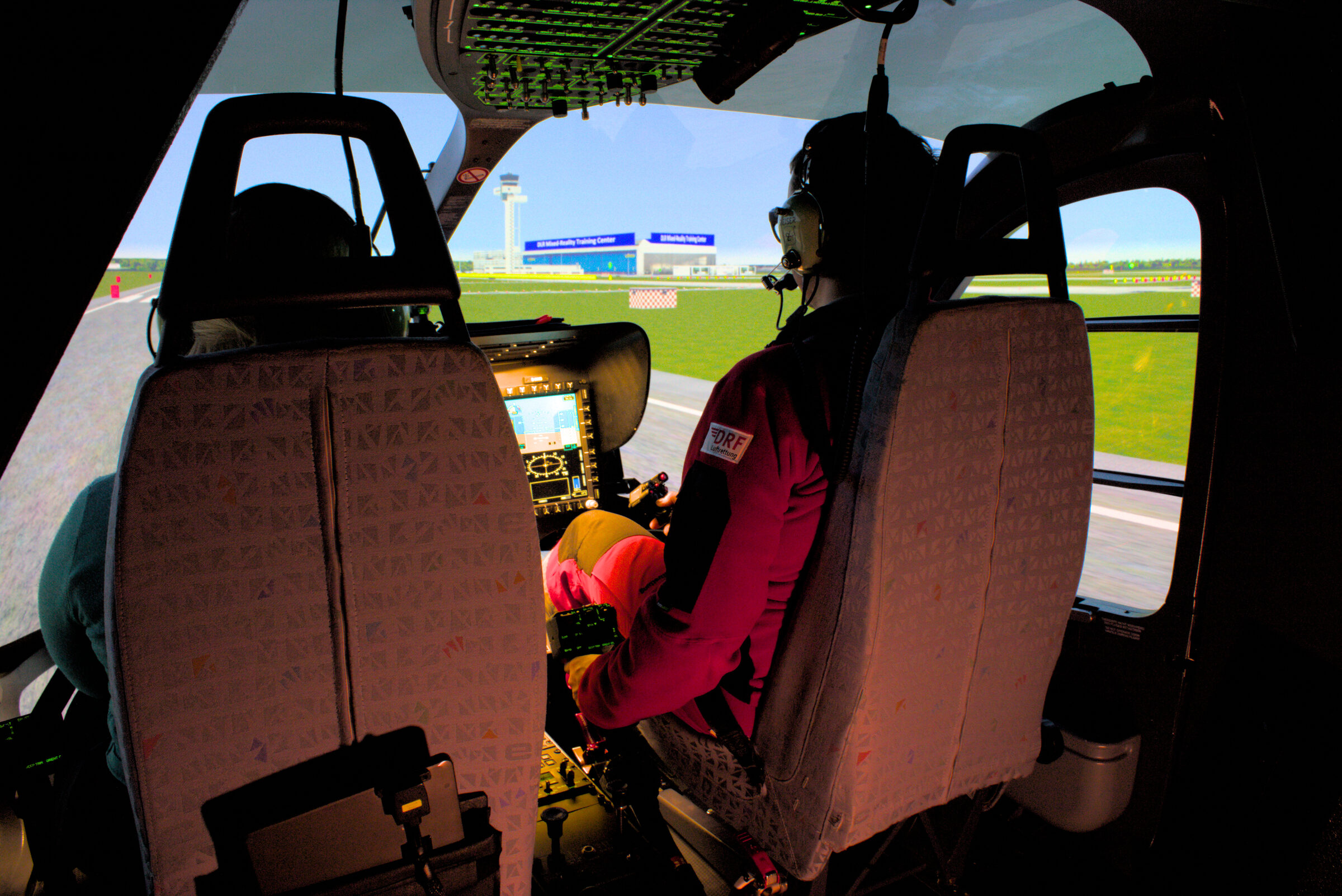
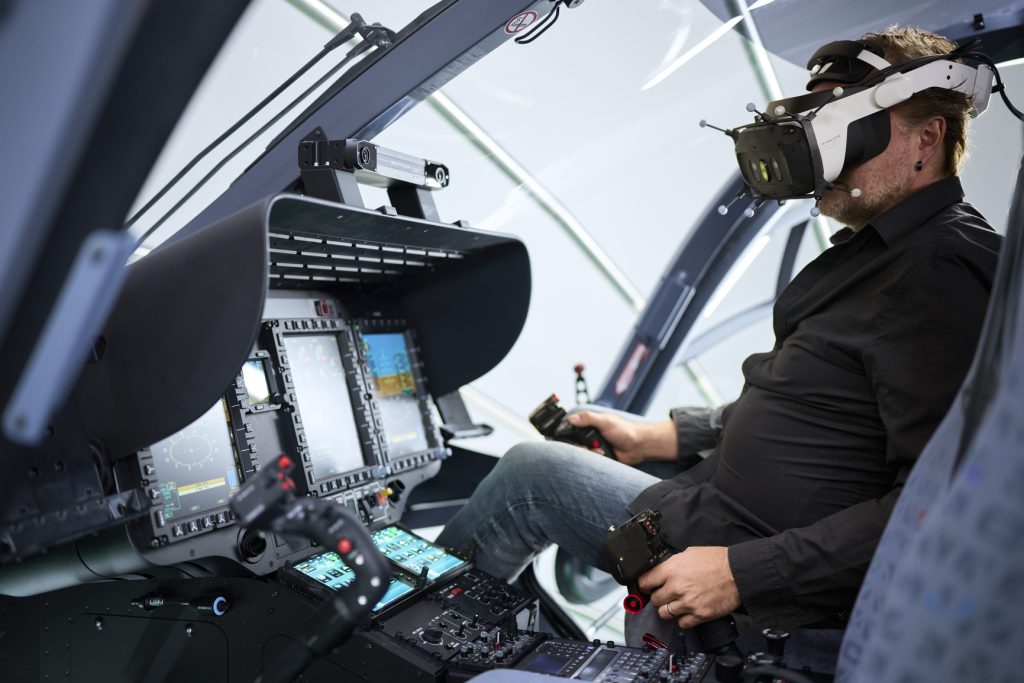
Multi-crew training in the helicopter simulator. Image: DLR
ARTE brings augmented reality into helicopter training
ARTE stands for Augmented Reality for Training Excellence and is a joint research project of REISER Simulation and Training and the German Aerospace Center (DLR). The goal is to raise multi-crew coordination training for helicopter crews to a new level with augmented and mixed reality technologies.
Modern helicopter operations demand teamwork, situational awareness and fast decisions. Conventional training methods reach their economic and ecological limits here. This is exactly where ARTE comes in: realistic simulator training replaces real flight hours, lowers emissions and makes training quality measurable at the same time.
Technology
ARTE brings together three technological innovations. They are tested on the DLR research simulator and then transferred into qualifiable training systems.
Virtual Instructor Operating Station
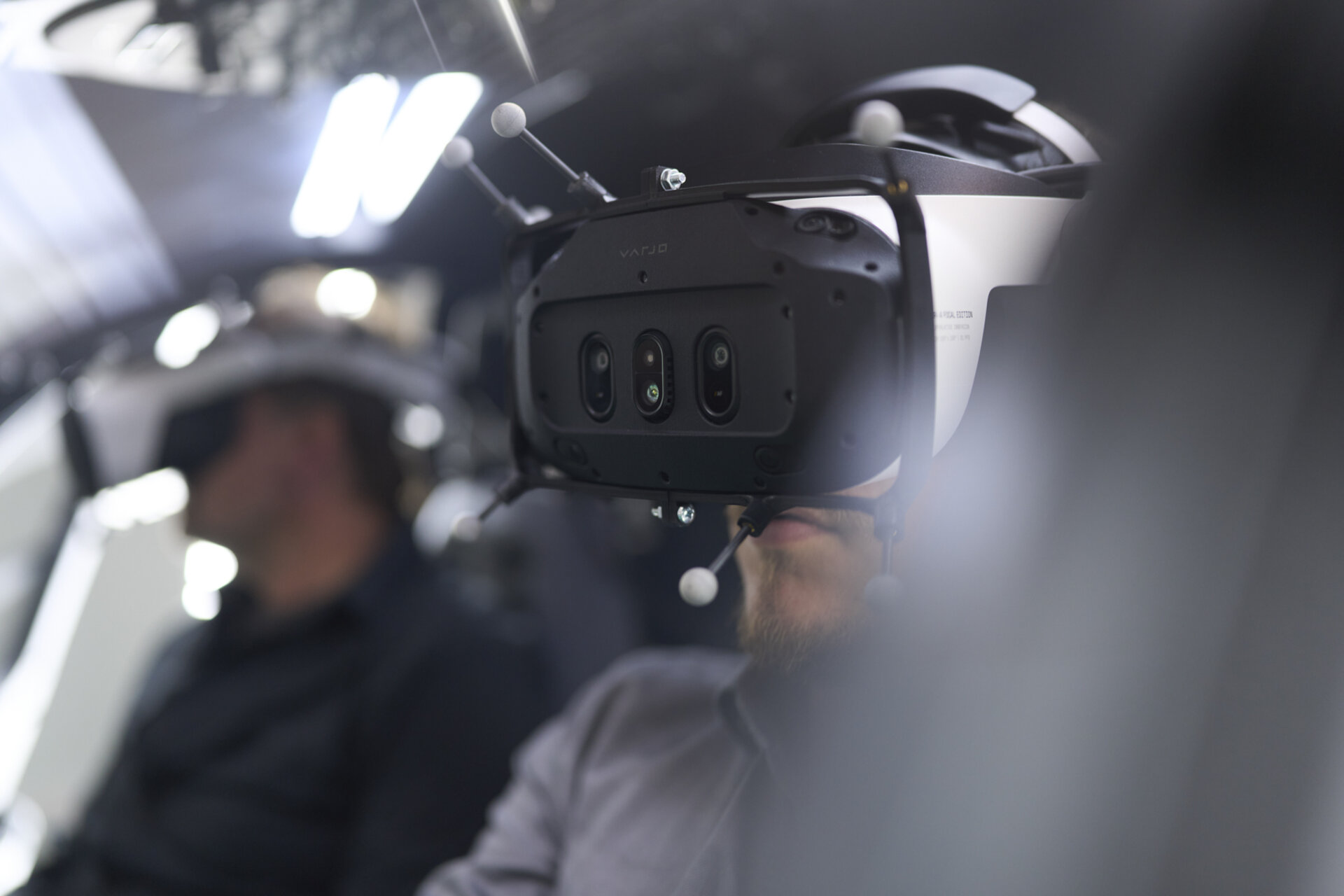
The Instructor Operating Station moves entirely into the instructor's mixed reality headset. The instructor sits next to the pilot just as in the real cockpit and controls the simulation at the same time.
Live performance metrics
Eye tracking and physiological sensor data deliver metrics on workload, attention and training progress while the exercise is running. That allows more targeted feedback and more individualized training.
Multi-crew coordination in AR and MR
The ARiTra research simulator is extended with a second MR headset. Pilot and instructor then work in a shared mixed reality environment, which makes real MCC training possible.
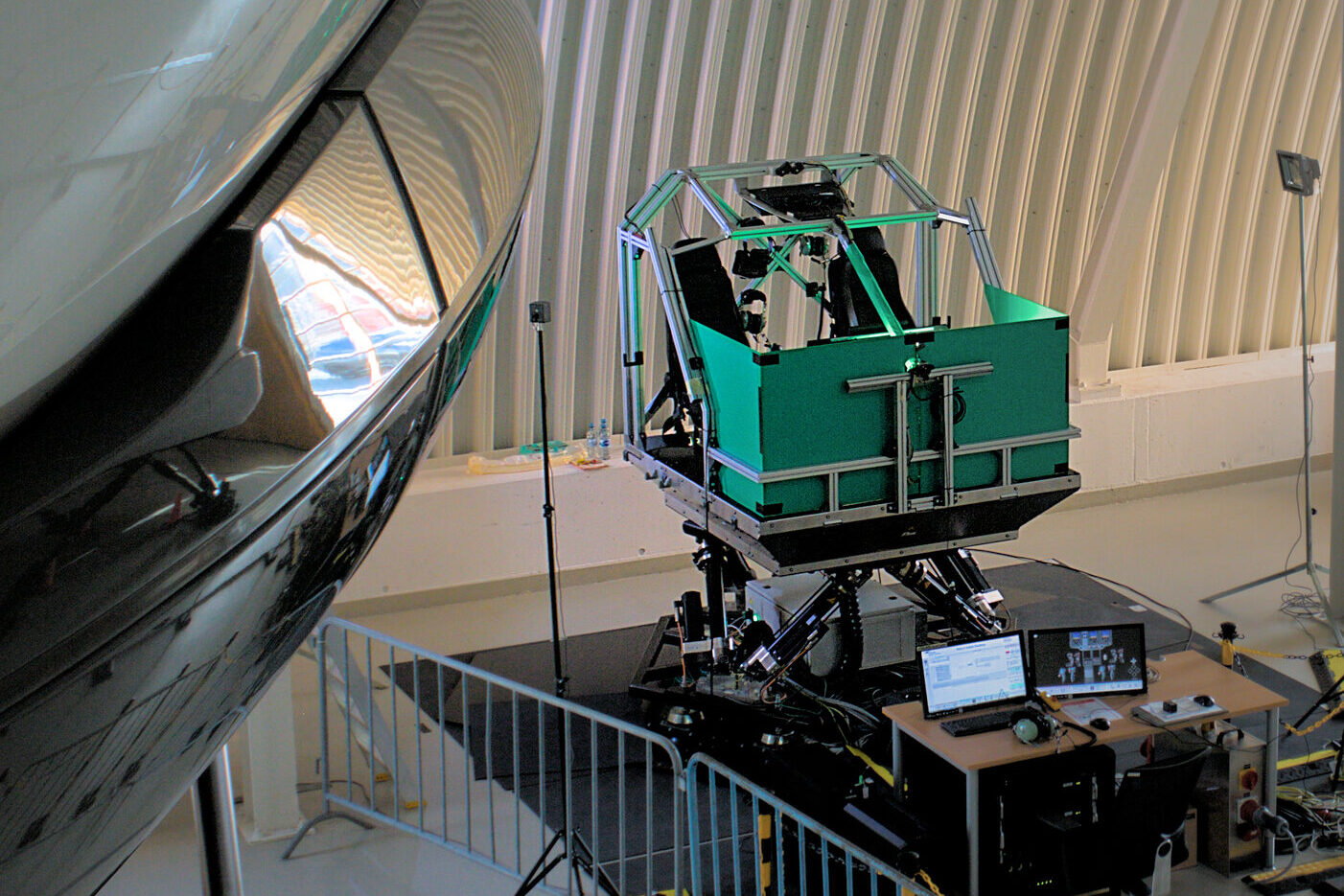
The DLR research simulator ARiTra. Image: DLR
What ARTE aims to achieve
Five goals together add up to a qualifiable AR/MR training system. The scientific support is provided by the DLR Institute of Flight Systems, the transfer into marketable products by REISER.
AR/MR simulator with multi-crew capability
Live performance metrics during training
AI-supported evaluation of physiological data
Fewer real training flights
Qualifiable to EASA and FAA standards
Project partners
ARTE is a joint project between industry and research.
Reiser Simulation and Training
REISER has been developing and manufacturing flight simulators for more than 30 years. In the project we are responsible for the development and integration of the AR/MR simulator and for transferring the research results into marketable products.
German Aerospace Center (DLR)
The DLR Institute of Flight Systems in Braunschweig contributes its expertise in helicopter simulation, pilot campaigns and AR/MR research and takes on the pre-evaluation on the research simulator, among other tasks.
Climate impact
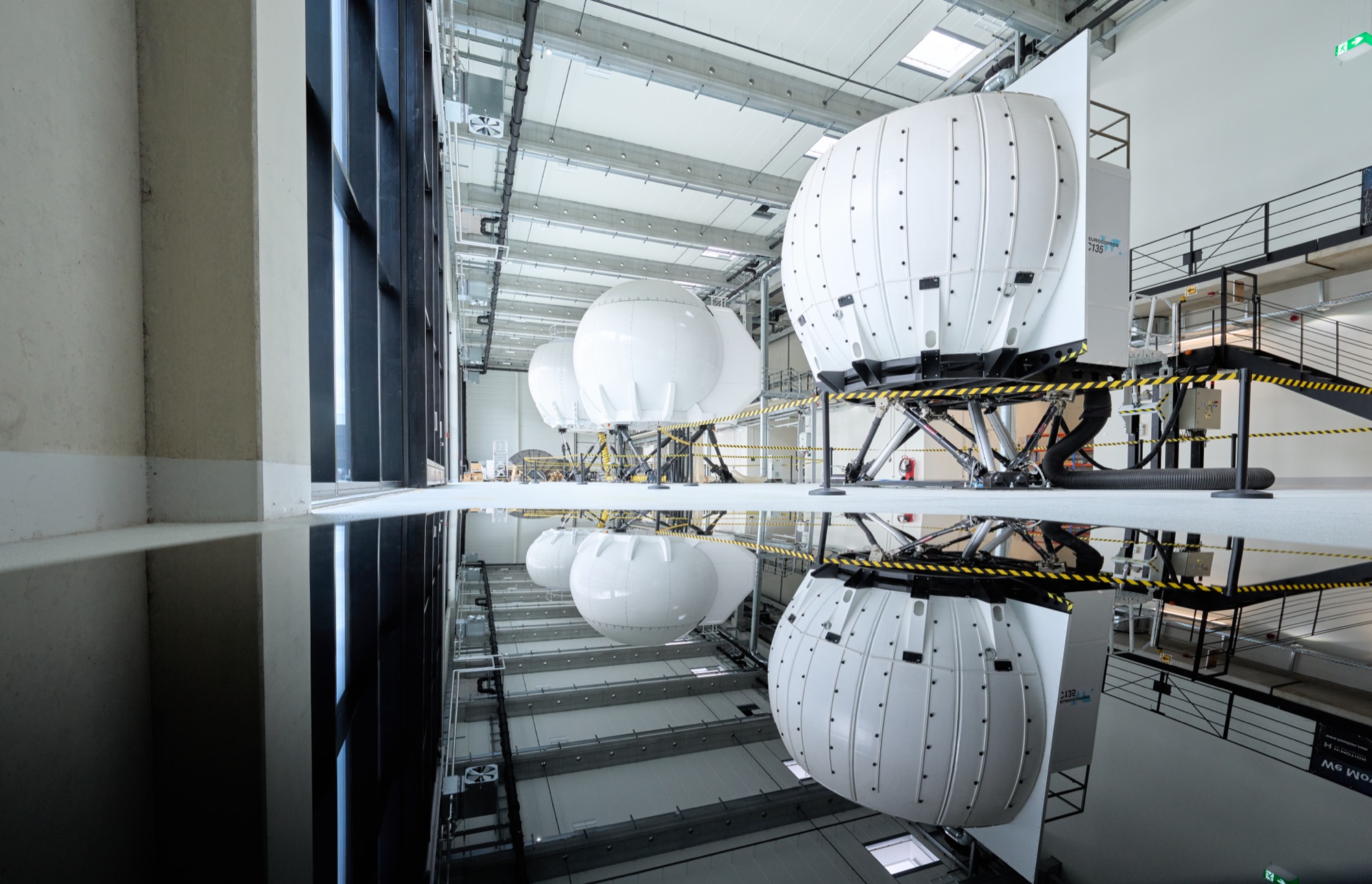
Every simulator hour saves emissions
A medium helicopter produces around 632 kg of CO2 per flight hour. Moving training hours from the real aircraft into the simulator makes around 1,900 metric tons of CO2 per year avoidable in helicopter training. AR and MR simulators also use less energy than conventional full flight simulators.
To sustainability
Experience our training solutions live.
Whether you have a specific technical question or want a live demo, on site in Berg or remotely. Our experts answer directly.