
Flight Training
Rotary
FTD Level 3
Flight Training Devices (FTD)
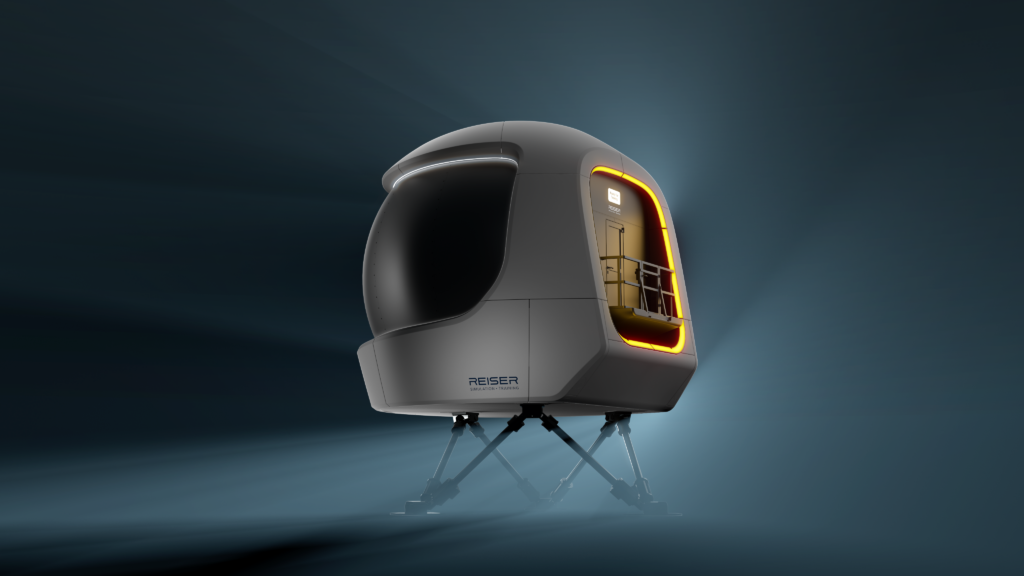
Type-specific Flight Training Devices (FTDs) for true-to-life helicopter and aircraft training. REISER FTDs combine a scale cockpit replica, high-quality avionics, realistic controls and integrated training software. They support the training of standard, safety and emergency procedures as well as instrument flight and type rating.
Product family
Flight Training Device (FTD)
Qualification
FTD Level 3 under EASA
FTD Level 3 under UK CAA
FTD Level 7 under FAA
Interchangeable cockpits
H125
H135
H145
H175
AW139
AW169
NH90
Interchangeable cockpits
One FTD system, several cockpit types. The interchangeable cockpit modules reproduce the instruments, avionics and controls of different aircraft types to scale. As part of the REISER RoRo family system, the modules can be deployed and changed flexibly via an FTD docking station.
Rotary
Fixed Wing
FTD / Rotary
Airbus
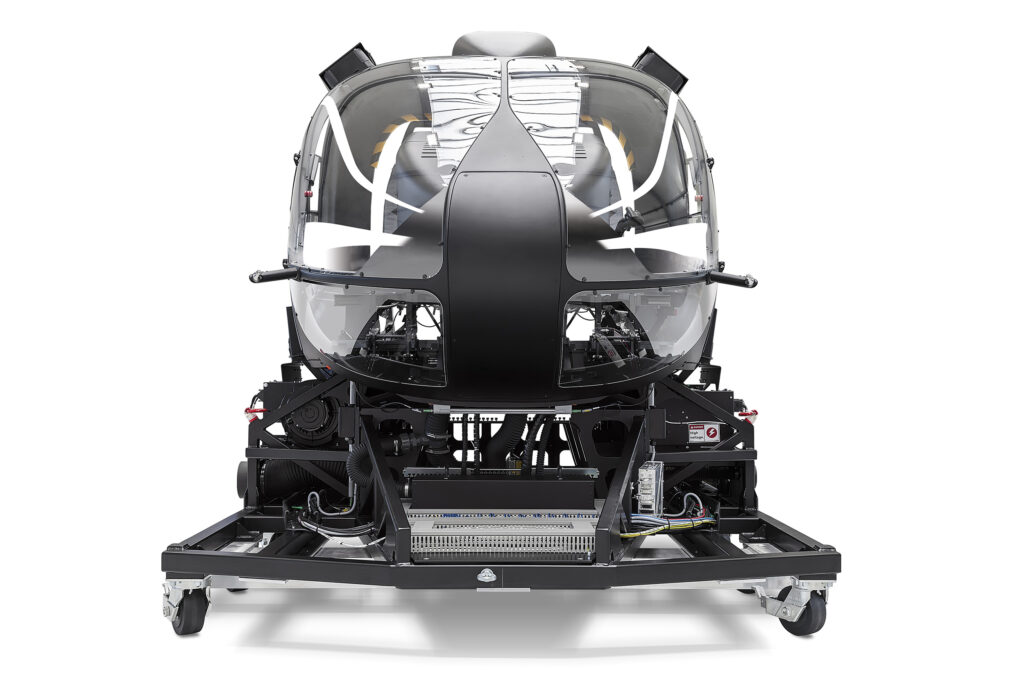
H145
Type-specific FTD cockpit for the H145. The true-to-life cockpit hardware supports training of avionics, operating sequences, standard procedures and emergency procedures.
Airbus
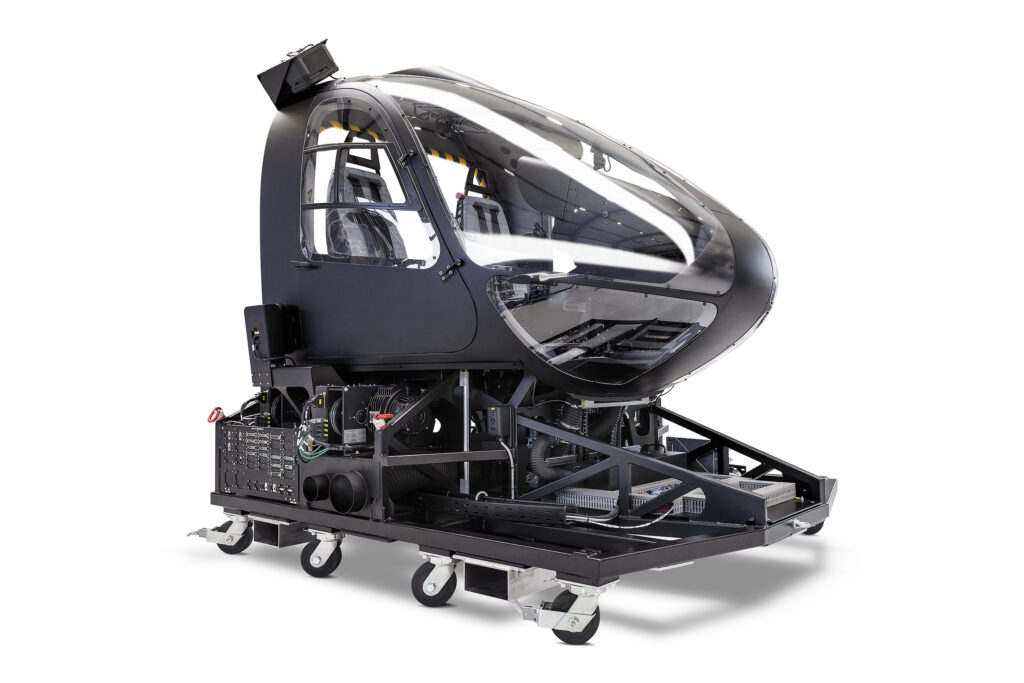
H135
Type-specific FTD cockpit for the H135. Instruments, controls and system indications create a familiar environment for procedures training and recurrent training content.
Airbus
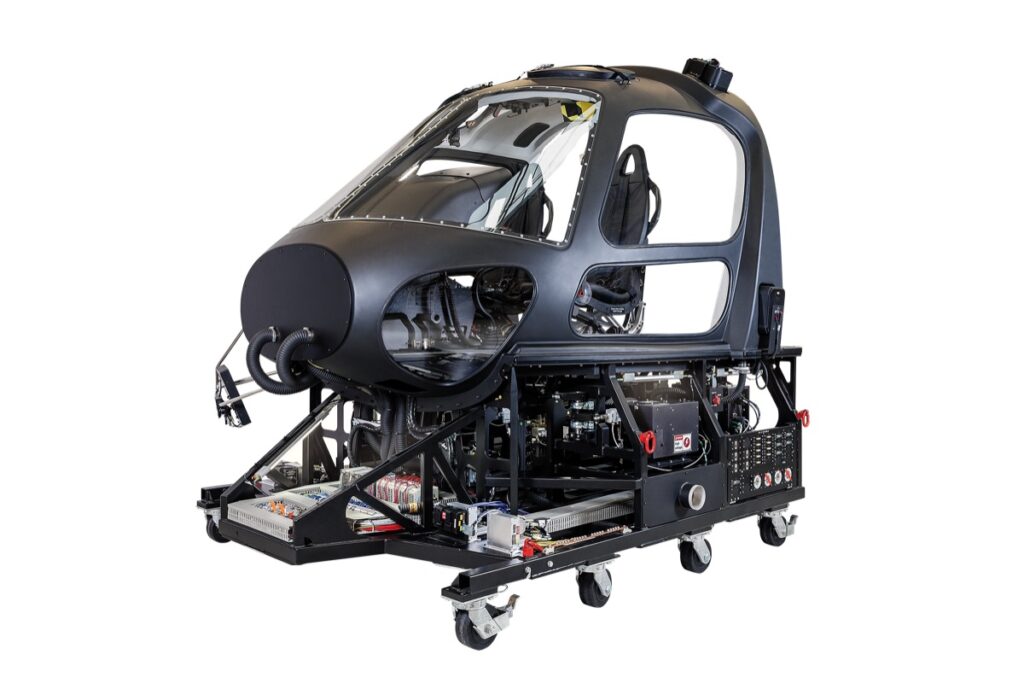
H125
Type-specific FTD cockpit for the H125. The scale design enables practical training on the cockpit, the avionics and the relevant aircraft systems.
Airbus
H175
Type-specific FTD cockpit for the Airbus H175. The scale design enables practical training on the cockpit, the avionics and the relevant aircraft systems.
Leonardo
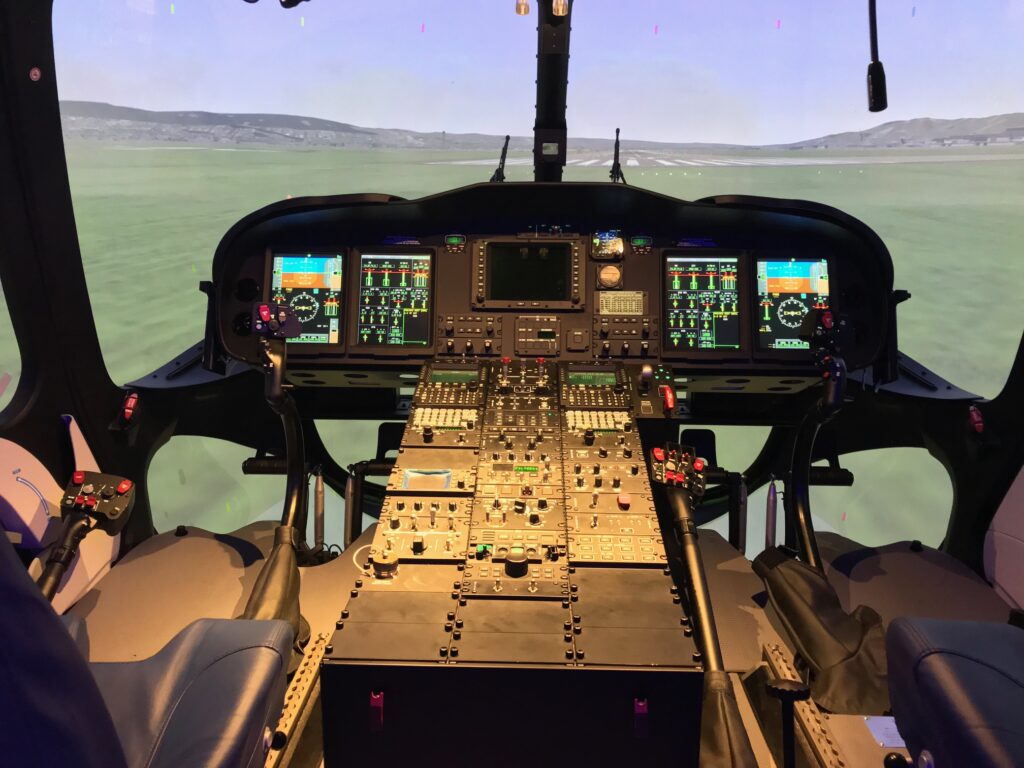
AW139
Type-specific FTD cockpit for the Leonardo AW139. The scale design enables practical training on the cockpit, the avionics and the relevant aircraft systems.
Leonardo
AW169
Type-specific FTD cockpit for the Leonardo AW169. The scale design enables practical training on the cockpit, the avionics and the relevant aircraft systems.
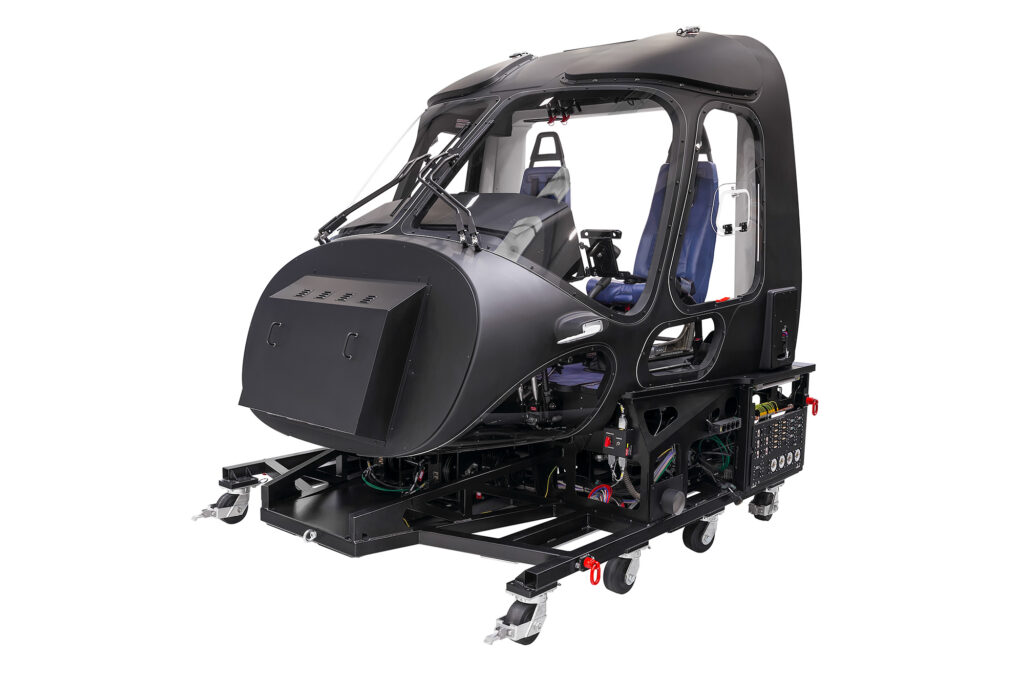
Overview
Type-specific training for helicopters and aircraft
Flight Training Devices are the mid-range class of simulation. They deliver type-specific procedures training for standard, safety, emergency and instrument procedures, based on high-fidelity cockpit components, flight controls and the REISER software family.
The challenge
Helicopters are used across very different operations, from external load transport to search and rescue or hoist rescue. Training systems have to be just as versatile. They need to reproduce cockpit, avionics and procedures as well as safety, emergency and instrument flight procedures.
The solution
REISER Flight Training Devices focus on training directly at the type-specific cockpit. A scale cockpit replica, high-quality avionics, realistic controls and an integrated control loading system support preparation for new aircraft types, type ratings and recurrent training tasks.
Depending on the FTD version and the scope of training, the relevant systems, interfaces and training content are put together project by project. The type-specific cockpits can be used both in a Flight Training Device and in a Full Flight Simulator.
The benefits
Type-specific cockpit replica
FTD Level 3
High-quality avionics and controls
Realistic control loading system
Night vision capable
Integrated Instructor Operating Station
Typical application scenarios
Type Rating
Procedures
Emergency
IFR
FNPT II
FNPT II: procedures and multi-crew training before the type rating
A Flight and Navigation Procedures Trainer (FNPT) is the entry class of qualified training devices under EASA CS-FSTD(H). An FNPT II reproduces a generic or type-representative helicopter cockpit and is used for ab initio and refresher training, basic and safety procedures, emergencies, navigation procedures, instrument rating and multi-crew cooperation (MCC).
FNPT or FTD?
The difference lies in fidelity and qualification level, not in the software. A REISER FNPT II runs on the same Level D full flight simulation software as our FTDs and Full Flight Simulators: flight model, AFCS, environment, computer-generated entities, communication, navigation and mission equipment. Flight schools and operators can therefore start with an FNPT II and upgrade the same device to a fixed-base FTD for type rating and checking when the training demand grows. A single device can also be operated as a reconfigurable FNPT and FTD, depending on the curriculum.
What REISER delivers
Full-scale cockpit replica, graphic avionics displays that represent a glass cockpit or analog instruments, actual grips and mechanically linked flight controls, visual systems with up to 200° x 70° field of view, NVG stimulation and an intuitive Instructor Operating Station. Conversion kits between H135 and H145 are available.
What an FNPT II covers
Ab initio and refresher training
Basic and safety procedures
Emergency procedures
Navigation procedures
Instrument rating (IR)
Multi-crew cooperation (MCC)
Typical application scenarios
Ab initio
Procedures
IFR
MCC
The system in detail
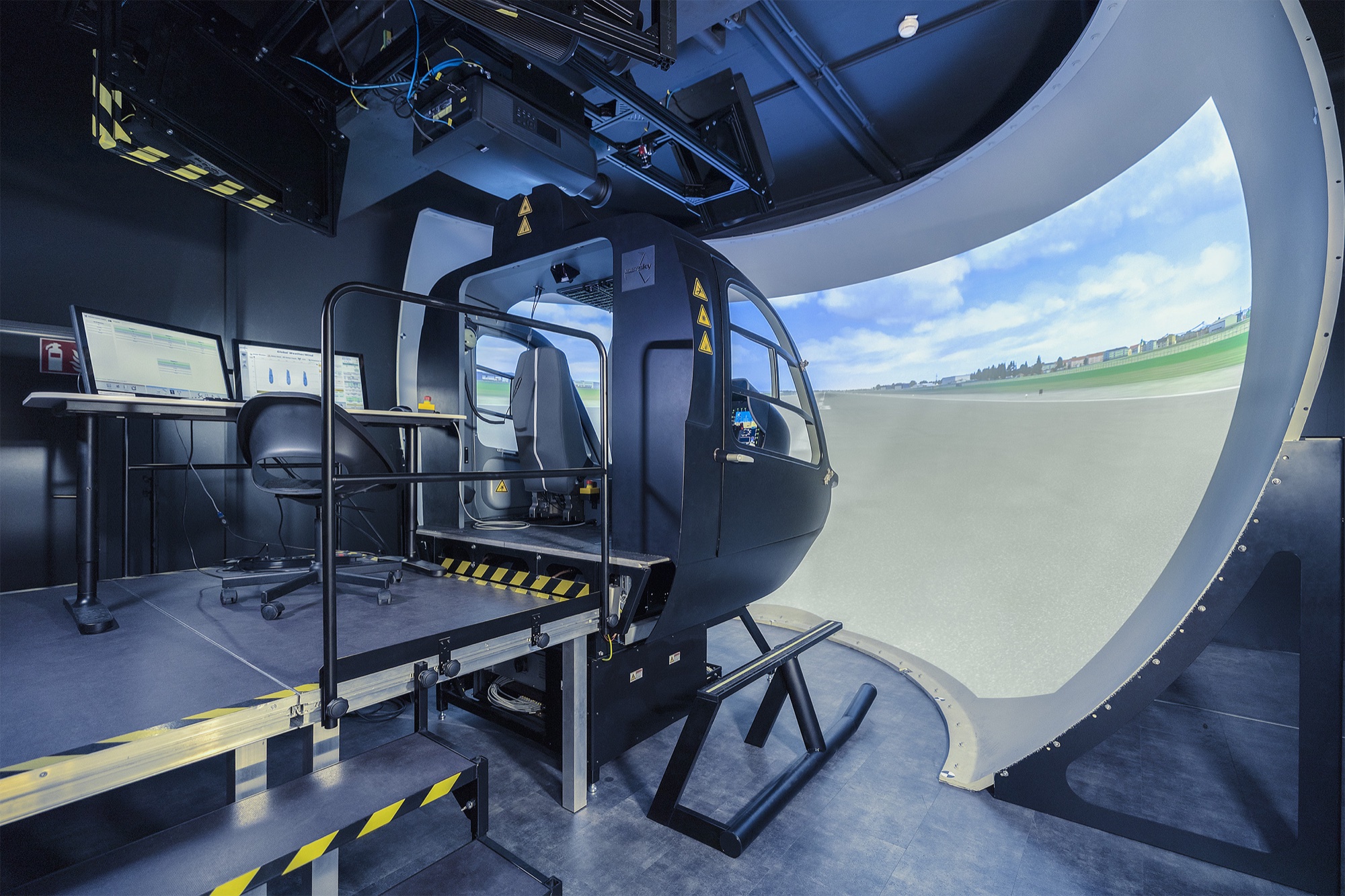
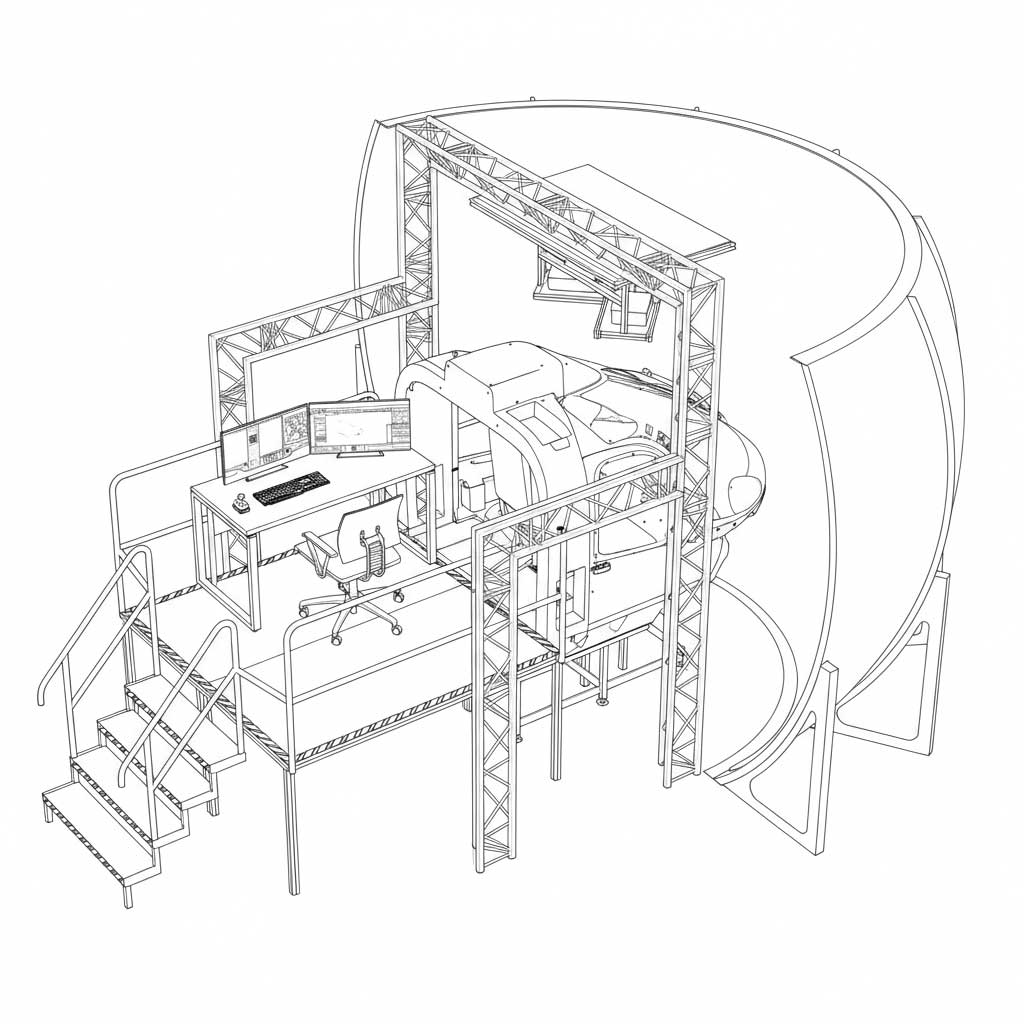
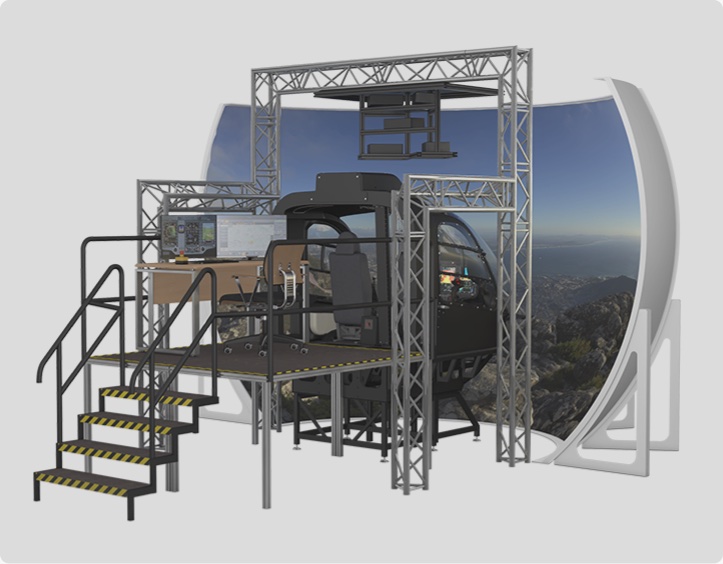
A REISER Flight Training Device combines cockpit hardware, avionics, visual system and the high-quality simulation software of our Full Flight Simulators into one integrated environment. The cockpits can be used both in an FTD and in a Full Flight Simulator. Depending on the FTD version and the scope of training, the relevant systems, interfaces and training content are put together project by project.
1
Visual System
The visual system supports visual orientation and creates the basis for instrument flight, procedures training and mission-related training content. Depending on the version, different training environments and visibility conditions can be displayed.
Integrated visual system
Support for instrument flight
Display of relevant training environments
Night vision and NVIS support
Adaptation to the respective scope of training
2
Cockpit & Hardware
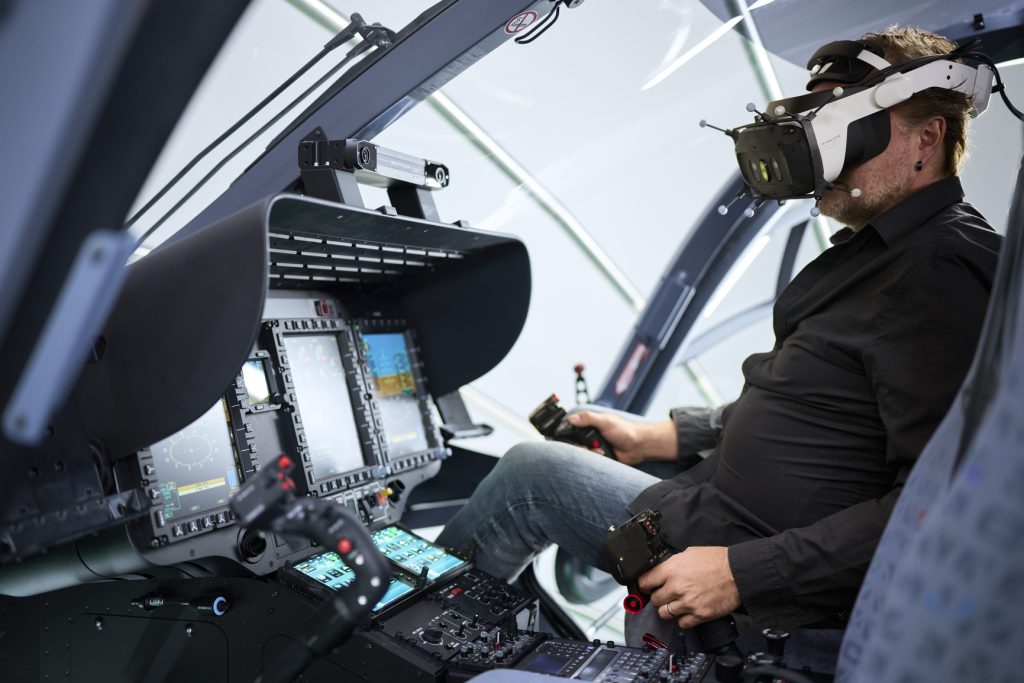
The cockpit of the FTD is built as a complete, scale replica of the respective aircraft type. Avionics, instruments, controls and control loading reproduce the functions relevant for training in a true-to-life way.
Scale cockpit replica
Type-specific avionics
Realistic flight controls and cockpit controls
Control Loading System (CLS)
Interchangeable cockpit modules
Versions for helicopters and aircraft
3
Motion & Cueing
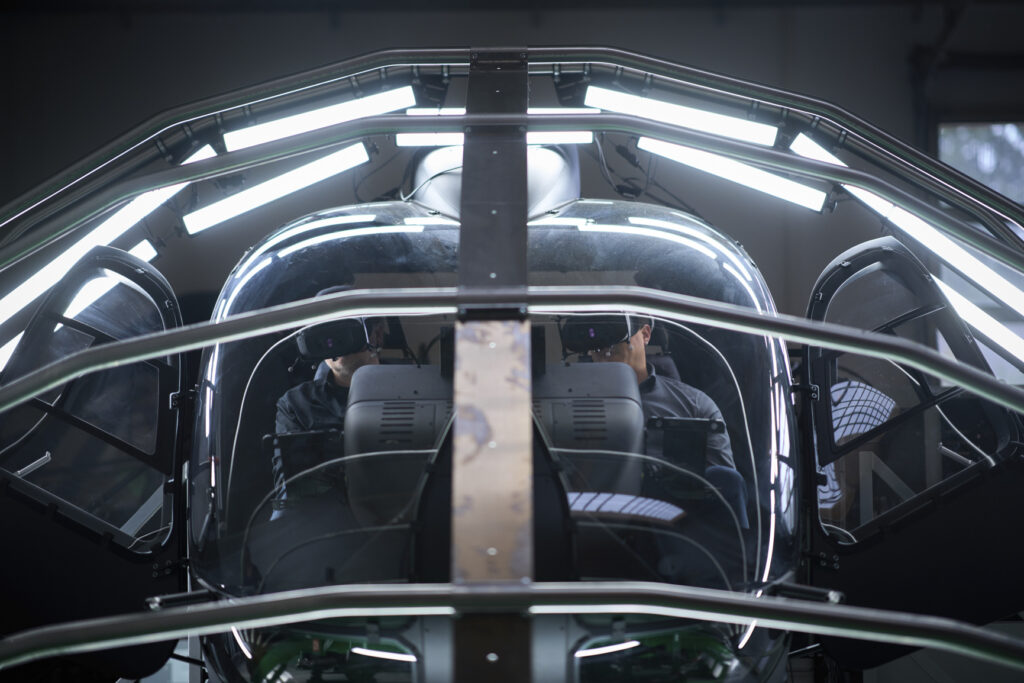
Motion and cueing systems support the representation of relevant flight states and training sequences. The scope depends on the FTD version and on the requirements of the training.
Fixed Base
Visual and haptic feedback
Support for flight and system procedures
Adaptation to cockpit and training objective
Integration into the central training environment
4
Software, Interfaces & Networking
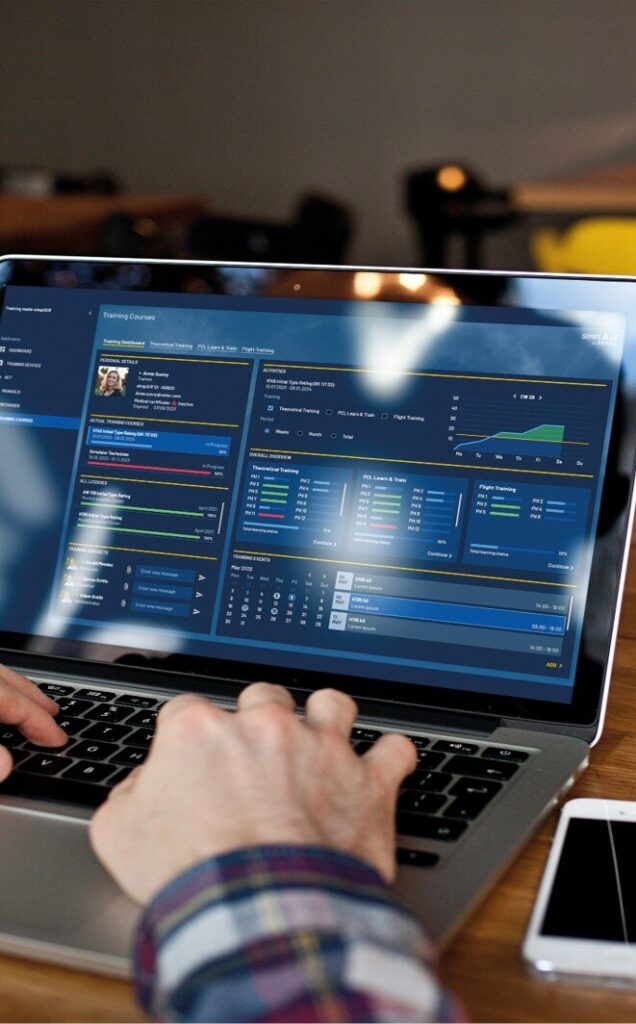
The software connects cockpit, avionics, visual system and training control. An Instructor Operating Station (IOS) enables the preparation, control and evaluation of training sessions. Interfaces and network connectivity create the basis for integrating customer-specific systems and training content.
Instructor Operating Station (IOS)
Type-specific system behavior
Flight, sound and power models
Support for standard and emergency procedures
Interfaces for customer-specific systems
Network and database integration
Preparation and control of training scenarios
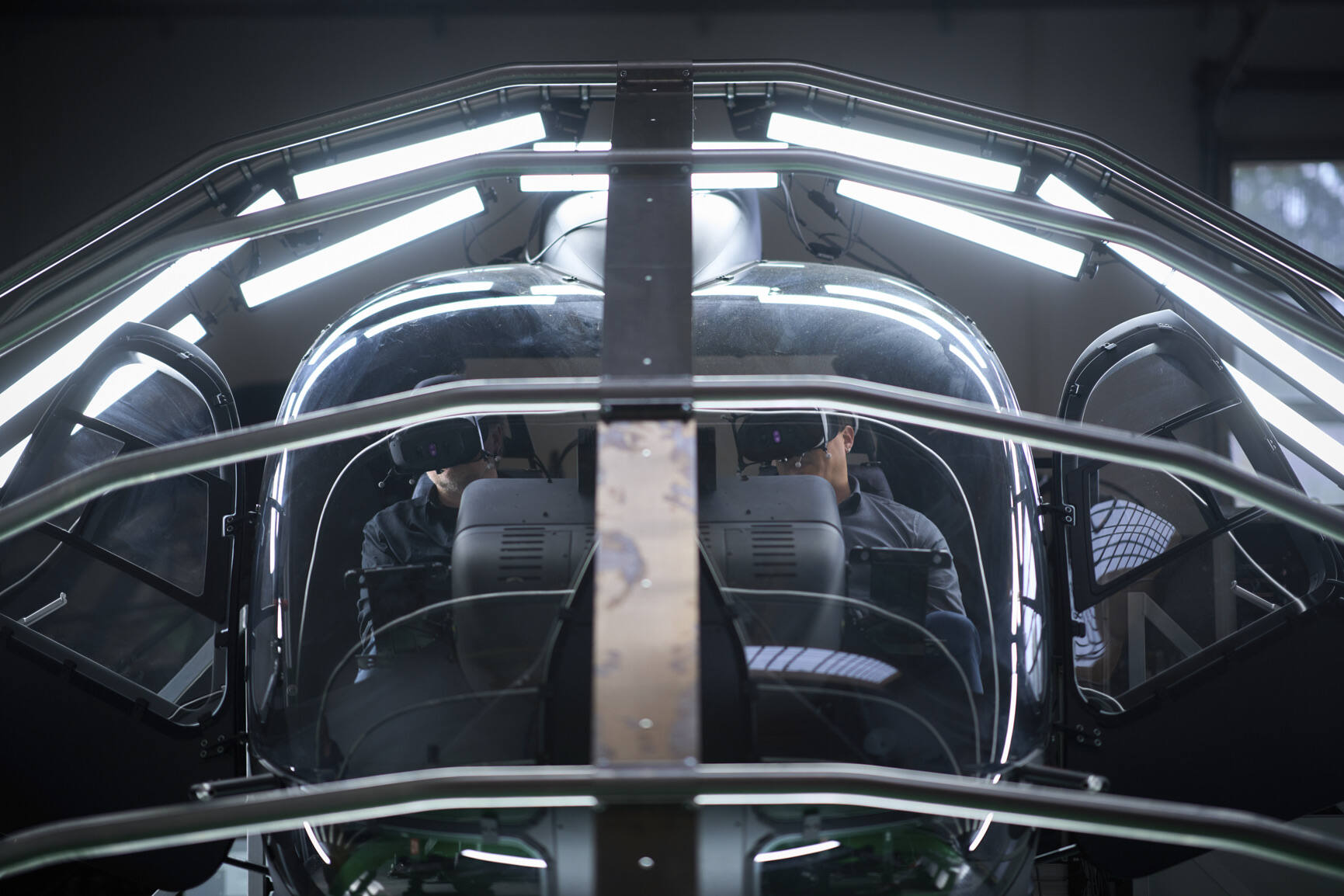
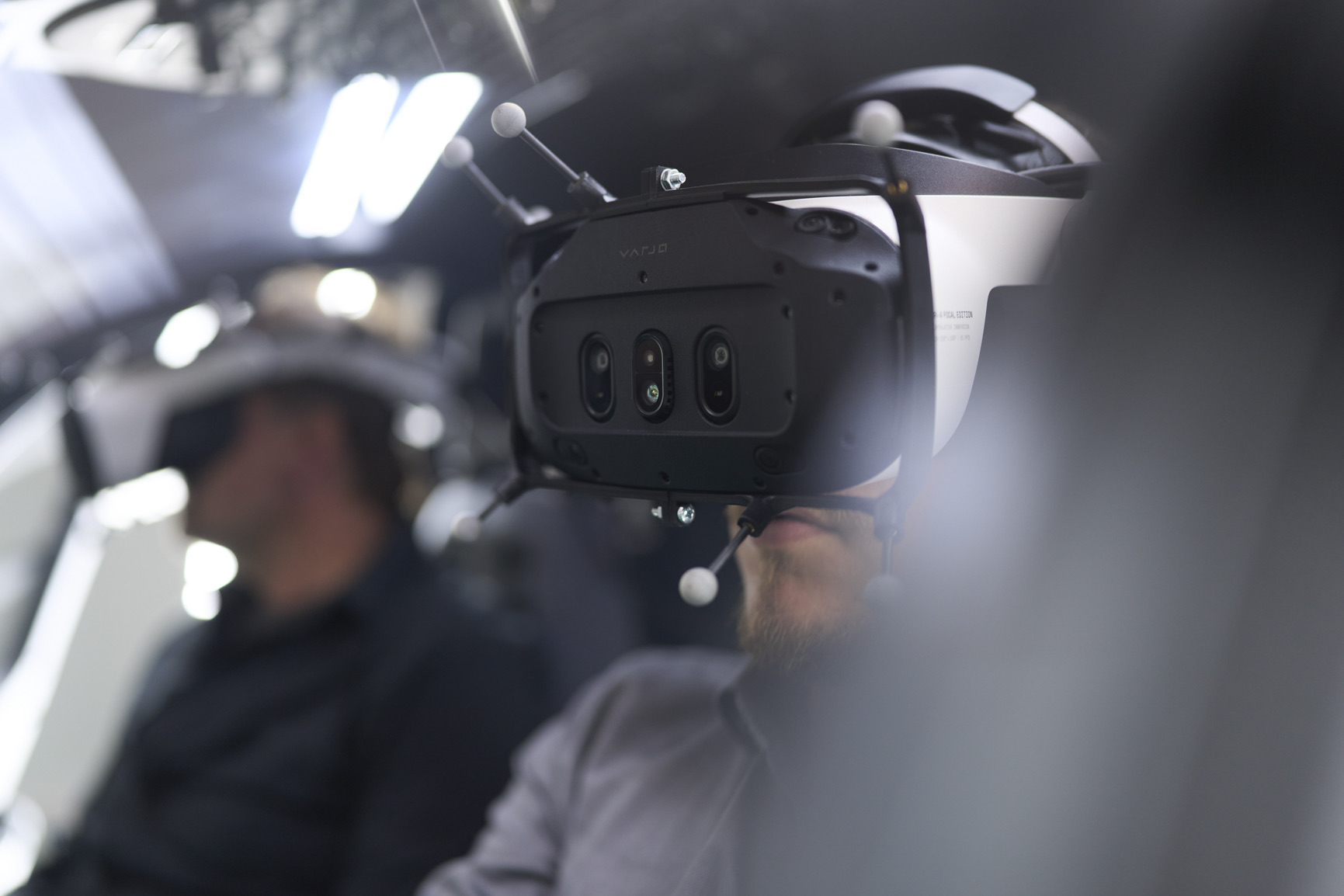
Experience the FTD live.
On site in Berg or remotely. Our experts show you the system in operation and answer technical questions directly.
FAQ
Typical questions about type-specific Flight Training Devices, from type availability and integration to the data basis required.
Is there an FTD for our aircraft type?
REISER FTDs are designed to be type-specific. Available cockpit solutions include the H125, H135 and H145. Further types are assessed depending on the data basis and the project scope.
Can a REISER FTD be integrated into existing training infrastructure?
Yes. Interfaces, spatial requirements and training processes are taken into account during planning. The RoRo docking station allows interchangeable cockpit modules to be integrated flexibly.
What data is needed to build an FTD?
That depends on the aircraft type, the scope of training and the qualification target. Relevant data includes the cockpit, avionics, controls, system behavior and training procedures, among others.
What is the difference between an FNPT and an FTD?
An FNPT II is qualified for procedures, navigation, instrument and MCC training on a generic or type-representative cockpit. An FTD adds type-specific fidelity for type rating and checking. At REISER both run on the same Level D software, so an FNPT II can be upgraded to an FTD or operated as a reconfigurable device.