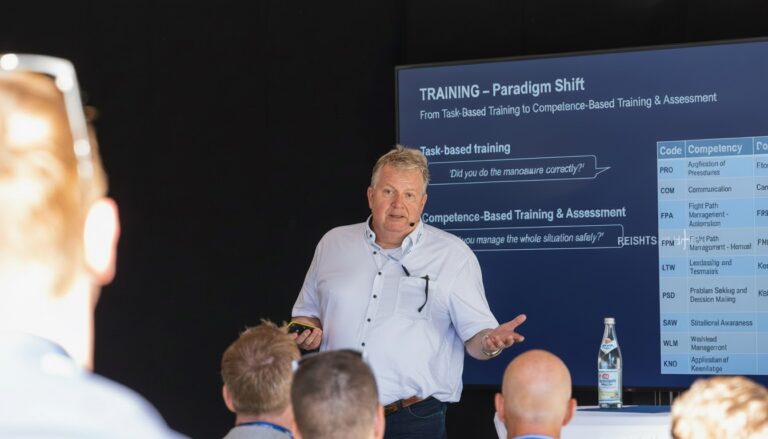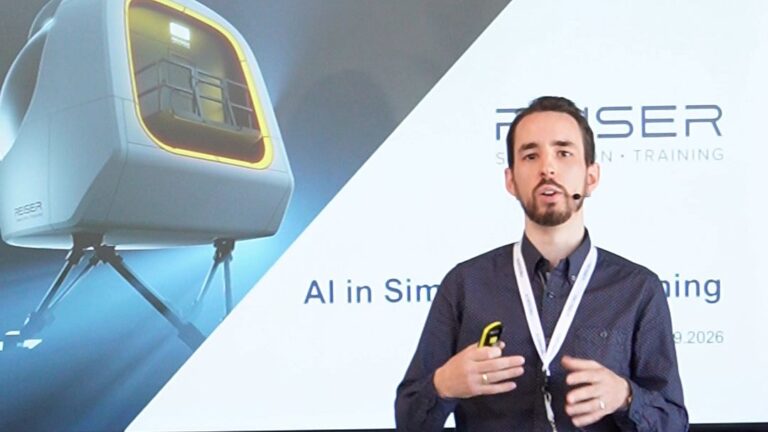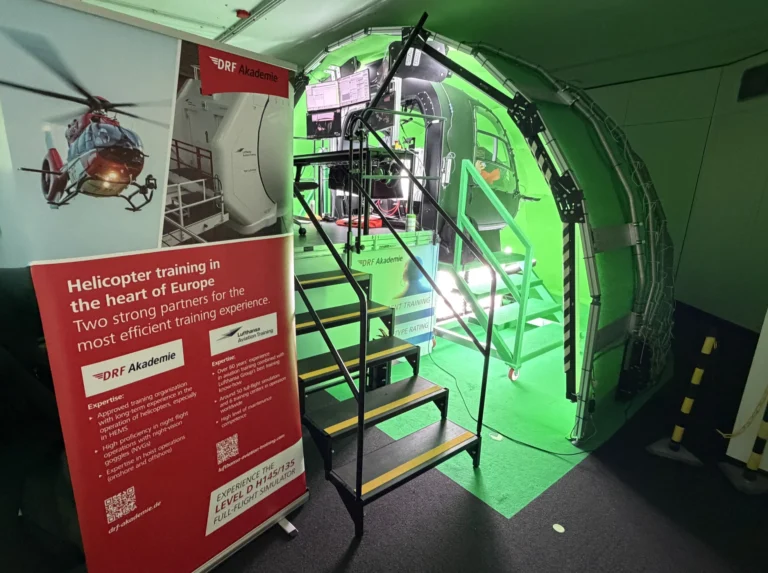
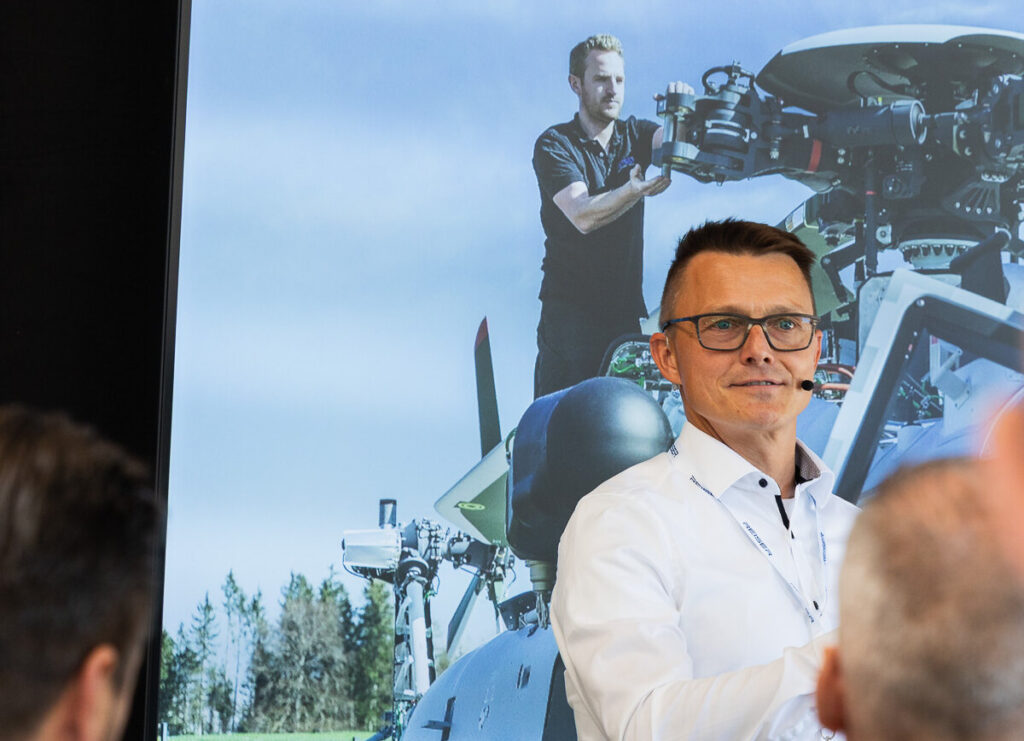
Expert contribution by Sylvain Rid, Head of Business Line Maintenance Training & Components (REISER), based on his presentation at the REISER Partner Day
Maintenance training is the practical training of maintenance, diagnostic, installation and inspection processes in a realistic training environment. Synthetic training media such as a maintenance training rig replicate the parts of the aircraft on which training must take place regularly, safely and repeatably, and thereby relieve the original aircraft.
“More training, more maintenance personnel - this leads to more operational readiness.” This is the sentence Sylvain Rid chose as the title of his presentation at the REISER Partner Day. At REISER, he is the contact for maintenance training and simulation components. He describes maintenance training as an area that works in the background, yet is decisive for whether a fleet stays available.
KEY TAKEAWAYS
An aircraft is only ready for operation when the people behind it master maintenance, diagnostic and inspection processes. These procedures cannot be learned from manuals alone; repetition is part of the learning process.
The original aircraft is available for training only in limited time windows. Synthetic training media provide access, repeatability and plannable training time.
The training medium follows the task: which components must be accessible and which work steps are trained decides between part task trainer, maintenance training rig or digital tools.
The REISER Maintenance Training Rig replicates relevant structures, components and interfaces 1:1 and significantly reduces the use of the original aircraft in training.
Operational readiness begins long before the flight line
An aircraft or helicopter is not ready for operation simply because its systems function. The people behind it must know what to do: remove and install components, isolate faults, make adjustments, check system states, and document work steps in a traceable way. An aircraft that is not maintained cannot fly.
These procedures cannot be learned from manuals alone. Maintenance personnel must know access routes, use tools correctly, and understand how systems work and interact. Repetition is not an add-on here; it is part of the learning process.
This is where maintenance training comes in. It creates an environment in which practical maintenance, diagnostic, installation, and inspection processes can be trained realistically and repeatedly, even when the original aircraft is needed for operations.
When the original is not always available
The real aircraft remains important for training and qualification. In practice, however, it is not always available for training, because it is being operated and maintained. It is therefore only accessible for limited time windows for maintenance training.
For training, this raises a practical question: how can training take place without unnecessarily interrupting or endangering operations, for example through damage during training?
Synthetic training media replicate exactly those parts of the system on which training must be carried out regularly, safely, and in a controlled way. This allows practical procedures to be repeated without damaging the real aircraft, without time pressure caused by the aircraft having to return to flight operations, and at lower cost compared with the original.
The task comes before the training device
If a single component must be accessible and replaceable, a part task trainer or a replicated assembly may be sufficient. For complex mechanical procedures, a maintenance training rig can make sense. For avionics training, functional displays, system states, and defined fault scenarios are added. Digital tools can complement preparation, system knowledge, and knowledge tests.
The decisive questions include:
Which components must be accessible?
Which work steps are to be performed?
Which interfaces are relevant?
Which system states and fault patterns must be represented?
Which parts of the task must be trained practically, and which digitally?
The training medium follows the task - not the other way round.
Training media in maintenance training
Part task trainer, replicated assembly
A single component must be accessible and replaceable.
Maintenance Training Rig
Complex mechanical procedures on relevant structures, components and interfaces as a 1:1 replica; with a functional cockpit also avionics training.
Avionics training
Functional displays, system states and defined fault scenarios.
Digital tools
Complement preparation, system knowledge and knowledge tests.
From the real system to the training device
At REISER, development of a training device begins with the real system and the specific training requirement. Precise and complete technical data form the most important foundation. REISER has the expertise to capture this data independently using 3D scans, photos, videos, and technical measurement data. Of course, data from the original manufacturer can be used where available.
This involves more than external dimensions. Weight, center of gravity, materials, markings, and interfaces can also be decisive for training. Equally important is that the behavior and function of the systems are reproduced correctly: a display must react after a work step exactly as it does in the original. A component must not only look right, but also be correctly accessible and operable.
From the captured data, individual parts, assemblies, and complete systems of the training device are created in CAD. Before manufacturing, the training task is verified virtually: Are the relevant components present? Are the interfaces correct? Can the intended work steps be carried out in full?
Only after successful verification is the hardware manufactured, integrated, and tested. Data capture, engineering, manufacturing, and quality assurance work closely together in this process. How these steps interlock is shown by the REISER competence model.
Realism shows in the details
A training system does not need to reproduce every detail of the original aircraft with the same level of fidelity. It must reliably reproduce the details that are required for the respective task. Simplifications can also be made where they do not affect training. This results in a training device that focuses on the training content while also considering cost efficiency.
The Maintenance Training Rig reduces use of the original in training
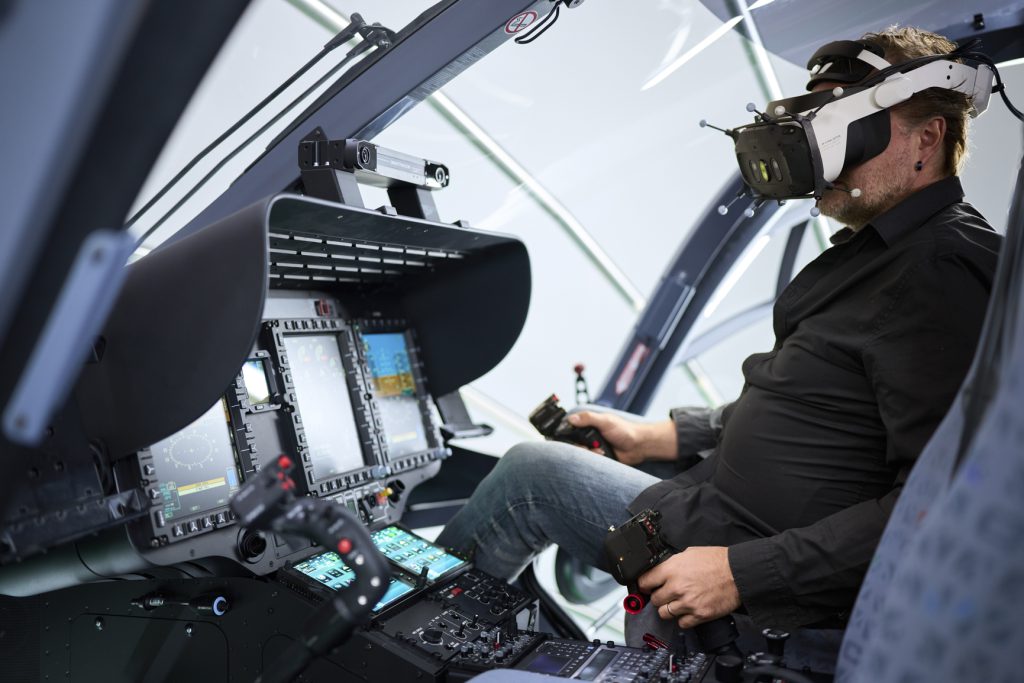
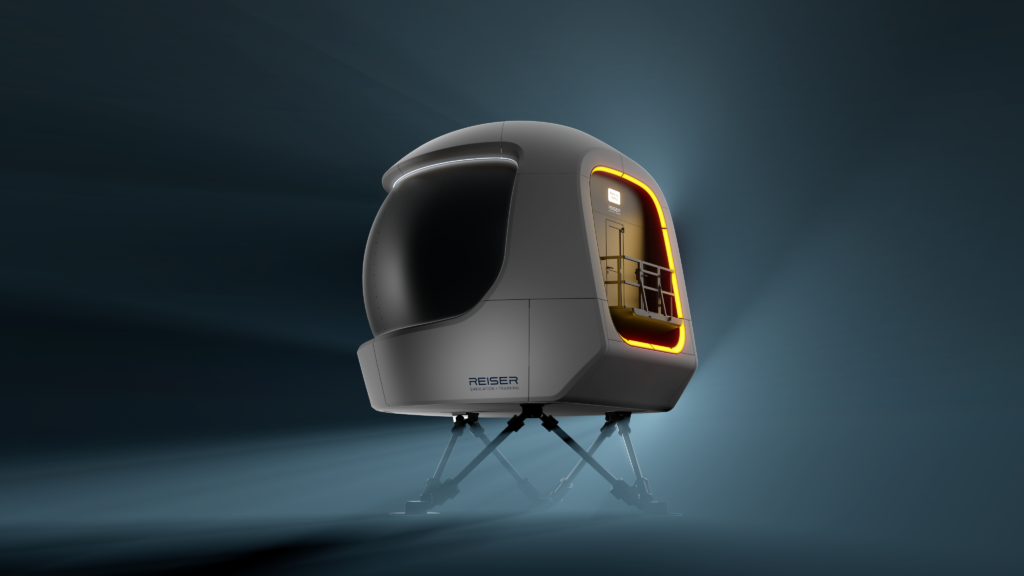
The REISER Maintenance Training Rig (MTR) replicates relevant structures, components, and interfaces of the respective aircraft as a 1:1 replica in a realistic way. Depending on the platform and training objective, it can be used to train, among other things, the installation and removal of components, adjustment work, fault finding, and functional checks. Through the so-called functional cockpit, consisting of a fully functional simulation cockpit and software that replicates the behavior of the avionics in relevant parts and level of detail, the rig's functionality is extended to avionics technician training.
The NH90 Maintenance Training Rig demonstrates this approach. A 1:1 environment combines mechanical training content with electrical and avionics systems.
A large part of training can thus be carried out on the Maintenance Training Rig, significantly reducing the use of the original aircraft. Nevertheless, the original aircraft remains important where real operating conditions, actual operational situations, or specific tests are too complex or too expensive to simulate. The original aircraft and the synthetic training environment thus complement each other. The former provides real operating conditions; the latter provides access, repeatability, and plannable training time. Together, they create training that is closer to actual work and places less strain on operations.
Training that can grow with the original system
Aircraft do not remain unchanged. Avionics are updated, and components are further developed. The training environment must therefore remain adaptable in order to keep pace with the original.
Because the MTR replicates the original's mechanical structure 1:1, all modifications to the original can in principle be transferred to the rig. Adjustments to software are also possible.
As a result, maintenance training does not remain a snapshot in time. It accompanies the system throughout its service life.
A simple formula with a concrete consequence
“More training, more maintenance personnel - this leads to more operational readiness.” There is more to this idea than a talk title. It describes the connection between practical training and fleet availability.
Maintenance does not begin only when a problem occurs. It starts earlier: with access to realistic training, with time for repetition, and with an environment in which technical procedures can be learned safely. For safe aviation, maintenance requires highly qualified personnel with hands-on experience.
For Sylvain Rid, maintenance training is therefore not a side topic in the shadow of aircraft operational readiness. It is an essential pillar on which that readiness is built.
FAQ: Maintenance Training
What is maintenance training?
Maintenance training is the practical training of maintenance, diagnostic, installation, and inspection processes in a realistic training environment.
Why is training on the original aircraft often not sufficient?
The original aircraft is needed for operations, is only very limited in availability, and is therefore used in maintenance training only as little as necessary. To prepare mechanics and avionics technicians as well as possible for work on the original, it is important that hands-on training can be carried out to a sufficient extent. A synthetic training medium replaces the original where practical tasks must be trained regularly and in a controlled manner, and thereby significantly increases the available training time.
What can be trained on a Maintenance Training Rig?
Depending on the platform and configuration, training can include, among other things, the installation and removal of components, adjustment work, fault finding, and functional checks in mechanics and avionics.
How does a maintenance training project begin?
It begins with the training objective, the platform, the relevant assemblies, and the required system states. Data is then captured, and development of the Maintenance Training Rig can begin on this basis.
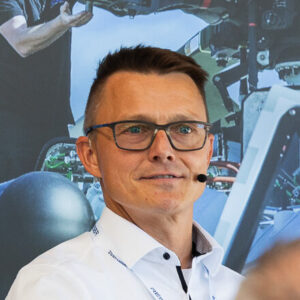
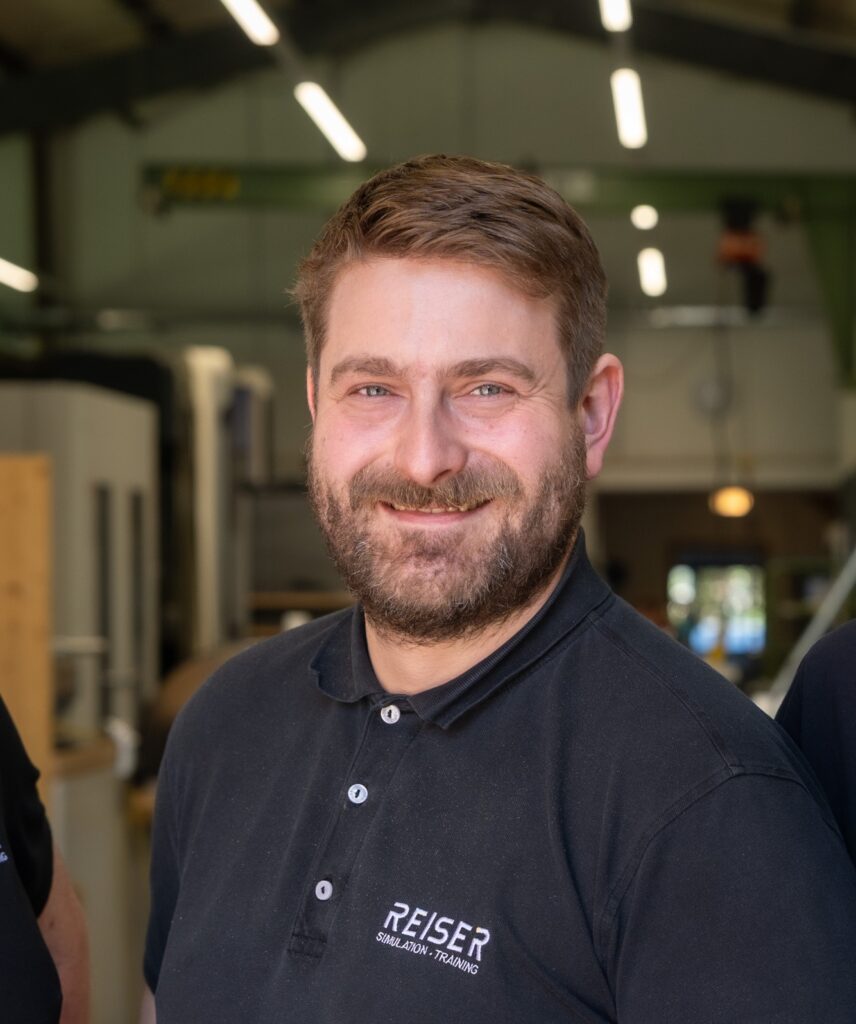
Sylvain Rid
Head of Business Line Maintenance Training & Components, REISER Simulation and Training
At REISER, Sylvain Rid is responsible for maintenance training and simulation components. This article is based on his presentation at the REISER Partner Day.