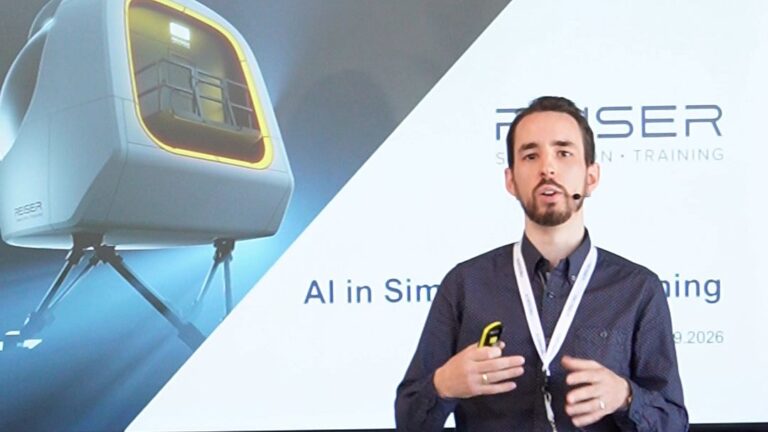

Expert contribution by Martin Keil, Chief Technology Officer (REISER)
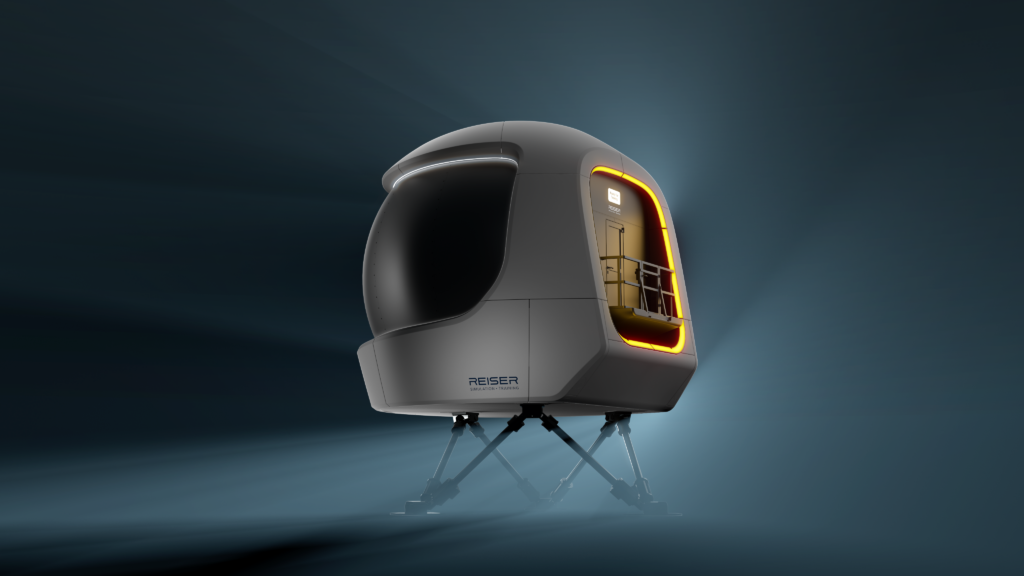
The task-to-tool approach in aviation training means that the training objective determines which training device is used, not the other way round. Full Flight Simulators, Mixed Reality, FTDs, FNPTs and digital media each take on the tasks they are best suited for within a connected training ecosystem.
“Happy and confident pilots” - for Martin Keil, this goal is the starting point for every discussion about aviation training. Safety does not begin in the cockpit. It begins earlier: with the quality of training, the availability of suitable training devices and the question of whether training matches the tasks pilots will have to perform later.
As REISER CTO, Keil works in an industry where several things are changing at the same time. Operations are becoming more complex, technologies are evolving, new generations bring different expectations of learning and the demand for qualified pilots is increasing. Training systems need to keep pace with this development.
KEY TAKEAWAYS
The training gap arises because demand for training is growing while Full Flight Simulators and experienced instructors are available only to a limited extent.
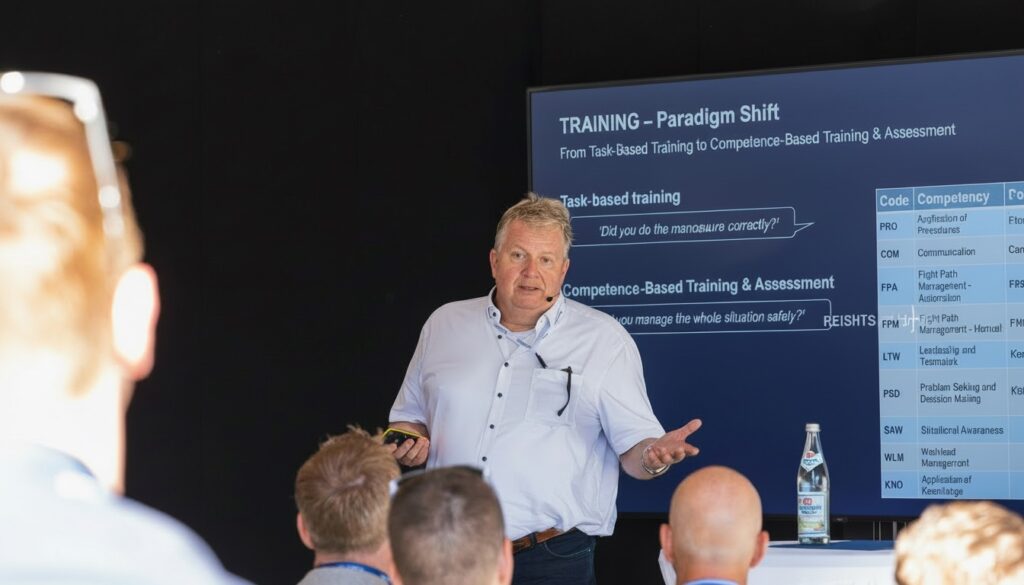
Competency-Based Training and Assessment (CBTA) looks beyond individual manoeuvres to the competence needed to manage a complex situation safely.
Mixed Reality combines a physical cockpit with virtual outside worlds and preserves haptics and crew interaction.
EASA CS-FSTD Issue 1 describes simulators in terms of concrete capabilities. For new simulators, this qualification logic becomes relevant from 30 April 2028.
A training gap between demand and capacity
Aviation needs more training, while traditional capacity is limited. Full Flight Simulators are highly capable and qualified for many training tasks. They are also expensive, demanding in terms of infrastructure and not available in unlimited numbers. Experienced instructors are a scarce resource as well.
Purely virtual solutions are easier to scale and can represent scenarios flexibly. Depending on the solution, however, they may lack physical interaction, haptic feedback, realistic crew coordination or a robust qualification framework. Neither side closes the training gap on its own.
The challenge is therefore not to provide as many devices as possible. What matters is a training environment in which different media can play to their respective strengths without allowing the demand for more capacity to compromise flight safety.
The pilot’s role is changing
A look at cockpit history makes this change visible. In the past, large control elements and the direct handling of the aircraft were at the centre of the cockpit experience. Modern cockpits are shaped by displays, automation, data and systems management. The role is changing: pilots are not flying less demanding missions, but they increasingly need to monitor the entire flight, manage systems, assess information and manage risks.
Training needs to reflect this shift. Different generations also bring different expectations of learning, media and collaboration. Training that only transfers knowledge or tests individual actions in isolation is not always enough for complex situations. What is needed is training that combines technical skills with decision-making, communication and robust action under pressure.
From individual tasks to genuine competence
For a long time, training often followed a task-based logic: Was the manoeuvre performed correctly? Was the procedure completed in the right order? These questions remain important. They do not fully answer whether someone can manage a complex situation safely.
Competency-Based Training and Assessment takes a broader view. The focus is not only on the individual procedure, but on the competence behind it: Can a pilot understand the situation, set priorities, use systems appropriately, communicate within the team and continue the flight safely?
This also changes how training devices are selected. The available device should not define the training objective. The training objective should determine which medium is appropriate. This idea can be summed up as a task-to-tool approach.
Mixed Reality connects two worlds
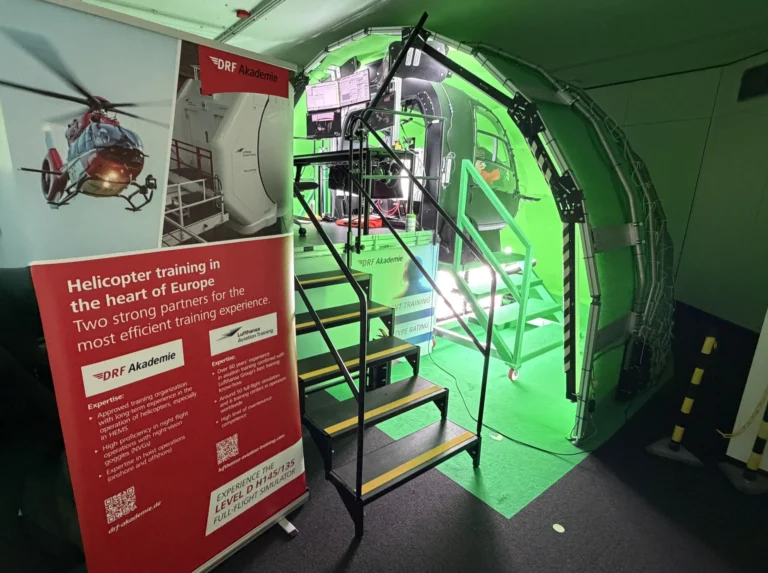
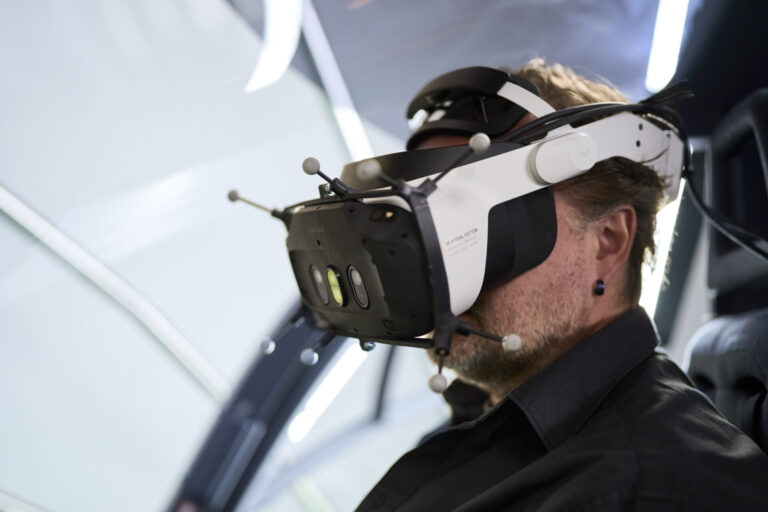
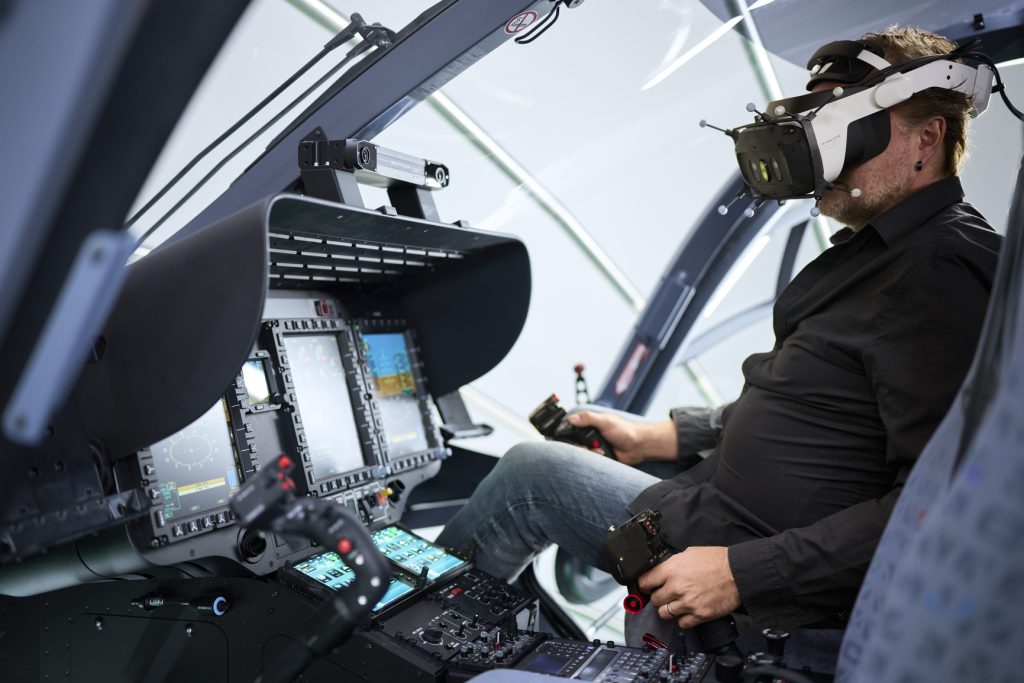
Mixed Reality can address the limits of both conventional and purely virtual solutions. A physical cockpit provides the controls, switches and crew interaction. A head-mounted display extends this real environment with virtual outside worlds and flexible training scenarios.
Both crew members can take on their respective roles in the cockpit and interact with each other. The Pilot Flying can see what the Pilot Monitoring is doing - and vice versa. This physical and social dimension is a key difference from a purely virtual environment, where controls and crew coordination are often represented only in abstract form.
The key development question is therefore not: What can be represented virtually? It is: What needs to be physically present and perceptible for the training task to work effectively? REISER brings this assessment into the development process. Some elements need to be tangible, operable and haptically perceptible. Others can be represented more flexibly and economically in a virtual environment.
Not XR instead of Full Flight, but the right medium
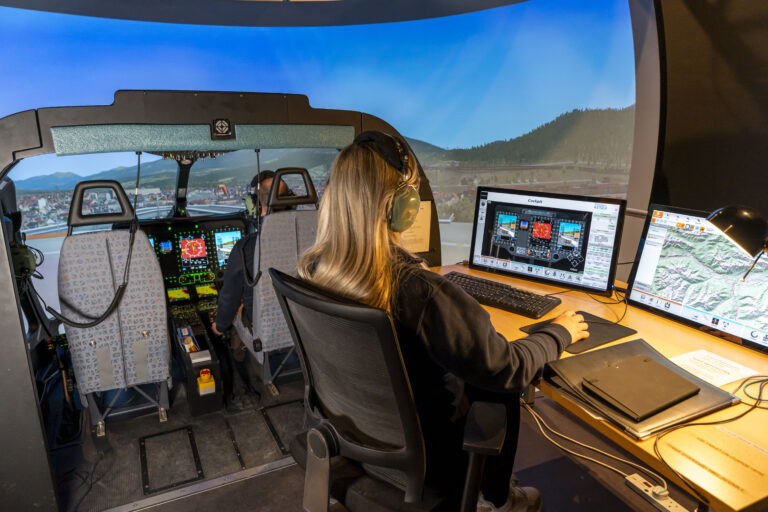
Mixed Reality is not a replacement for every other training device. A Full Flight Simulator remains important wherever a comprehensive combination of flight behaviour, systems, motion and training depth is required. XR can play to its strengths in tasks that combine real interaction, flexible scenarios and a large visual environment. FTDs, FNPTs, avionics trainers and digital media support other learning steps.
The question is no longer “XR or Full Flight Simulator?” It is: Which combination of training devices will deliver the desired learning outcome? This change in perspective creates more room for training design, while also requiring more precise planning of training tasks, capabilities and evidence.
The regulatory framework is moving in the same direction. EASA CS-FSTD Issue 1 describes simulators more strongly in terms of concrete capabilities and their level of fidelity. For new simulators, this qualification logic becomes relevant from 30 April 2028. It will therefore become even more important to consider the training objective, simulation capability and qualification together from the outset.
Training media at a glance
Full Flight Simulator
Comprehensive combination of flight behaviour, systems, motion and training depth. Expensive, demanding in terms of infrastructure and not available in unlimited numbers.
Purely virtual solutions
Easy to scale, scenarios can be represented flexibly. Depending on the solution, without physical interaction, haptic feedback or realistic crew coordination.
Mixed Reality
Physical cockpit with real controls, extended through a head-mounted display with virtual outside worlds and flexible training scenarios.
FTD, FNPT, avionics trainers, digital media
Support other learning steps within the training ecosystem.
From individual devices to a training ecosystem
The future of aviation training does not lie in a single device. It lies in a training ecosystem in which different media, content, data and administrative processes work together. One simulator can be connected to other devices. Training content can be organised through shared systems and learning progress can be made measurable. Scenarios can take place where the respective training task delivers the greatest benefit.
This shifts the focus in three directions: from static to adaptable training, from centralised individual sites to distributed training opportunities and from isolated devices to connected building blocks. Scalability does not come simply from buying more hardware. It comes from a concept in which the individual components work together in a meaningful way.
Technology needs a safe framework
For Martin Keil, technological development is not an end in itself. New training media must be measured by their contribution to safety and learning outcomes. They need to work reliably, fit into existing processes and meet the relevant requirements for qualification and evidence.
This is particularly important in an industry where technological innovation and regulation are closely linked. A training device is genuinely future-ready only when it does more than promise new possibilities and can be used reliably in day-to-day training.
The path to “happy and confident pilots” does not run through a single technology. It runs through training objectives, suitable media and an environment in which people, systems and processes work together. Mixed Reality is an important part of that environment, but the real progress lies in the ability to think of training as one connected system.

Martin Keil
Chief Technology Officer, REISER Simulation and Training
As CTO, Martin Keil focuses on how training systems keep pace with change in aviation.