
Distributed Readiness: One scenario, several locations, the same validation.
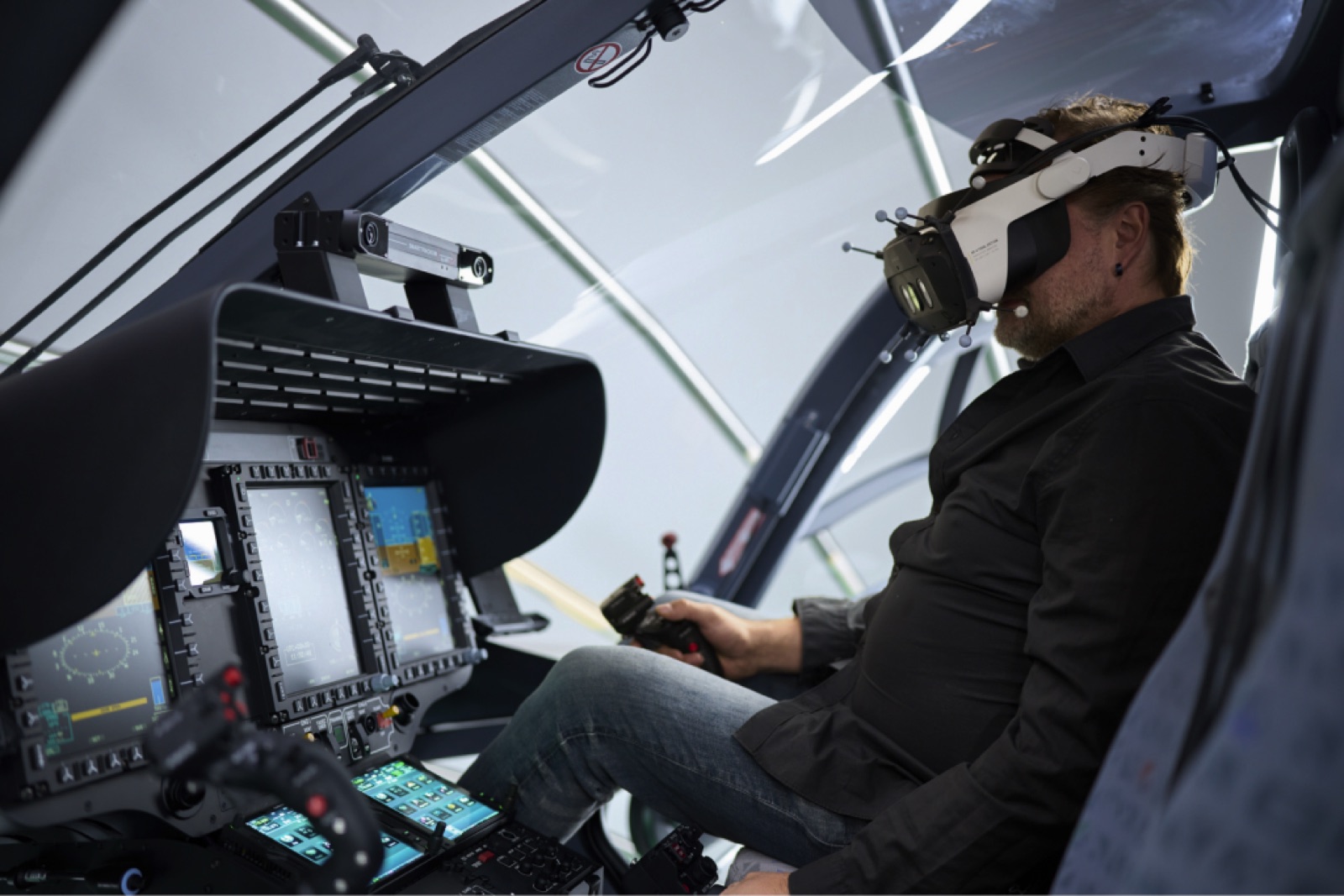
XR & Distributed Training combines immersive training environments with cross-site networking. Crews and individual trainees can work through the same scenario together, even when they are not in the same place.
XR describes the immersive training environment. Distributed Training describes the connection between several training stations, roles or locations. The format can be used for Mission Training, Pilot Training, crew coordination and further training objectives.
Plan networked trainingObjective and outcome
What XR & Distributed Training is meant to achieve, what is trained, in which domains and with which qualification.
Objective
Shared confidence to act across roles and locations, within one common scenario.
A common assessment basis at every participating training station.
Trained
Mission rehearsal, crew coordination, multi-crew coordination, shared scenarios, tactical and operational mission sequences and cross-site training.
Operational domains
Air · Defense · Tactical. Scenarios from operations and tactical formations.
Systems
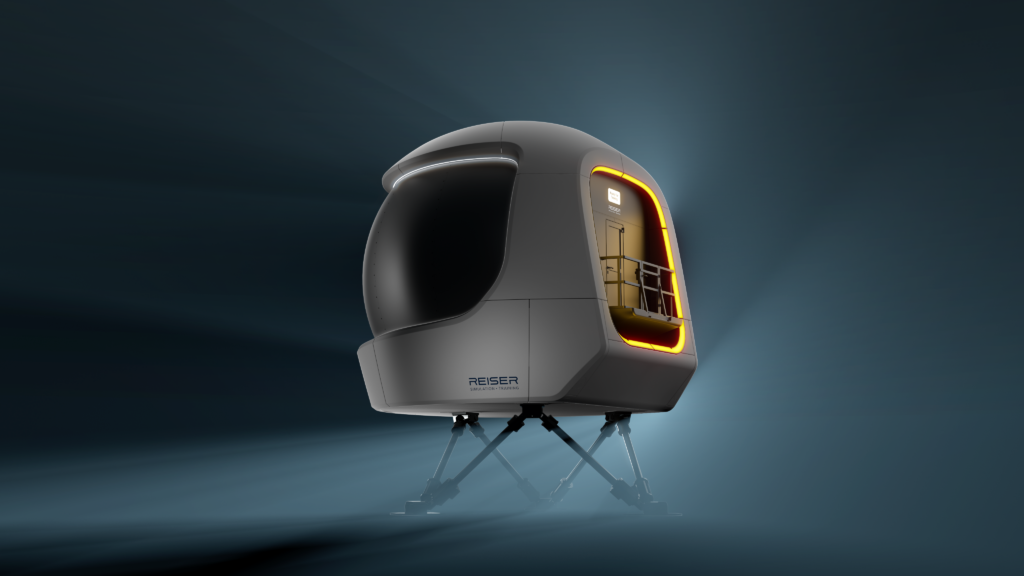
H145 D3 XR Simulator, networked XR stations, Mission Trainer, hoistAR®, Avionic Desktop Trainer and Flight Training Device.
Relocation is not a prerequisite for training together.
When several roles, crews or locations have to work together, joint training takes considerable organizational effort. People and devices have to be brought to one place, even though the operational scenario itself is distributed.
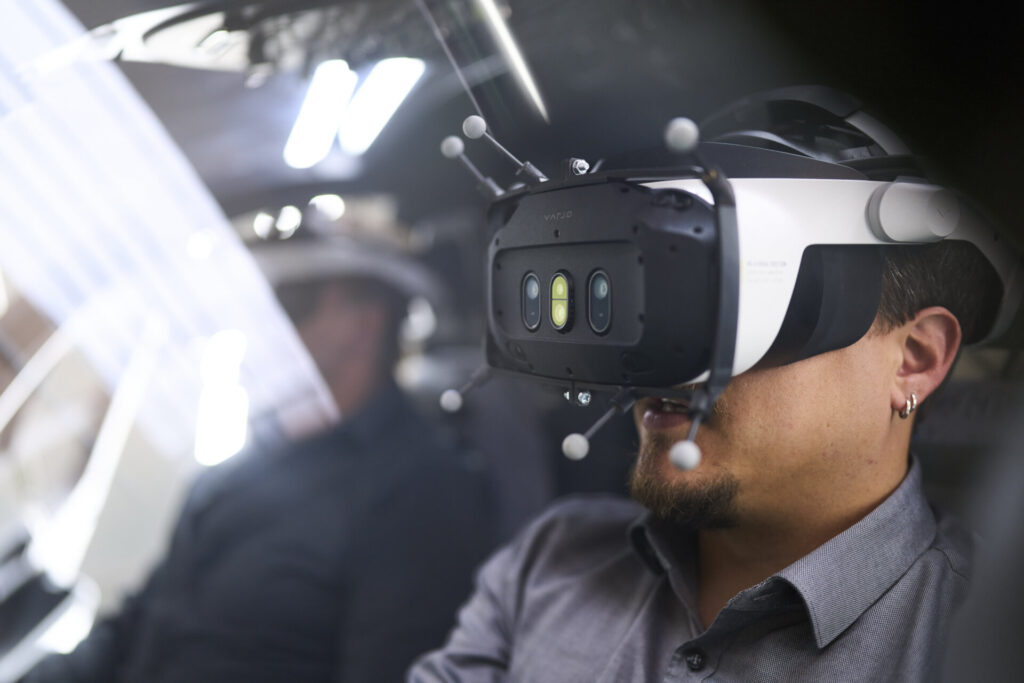
Distributed Training connects several training stations into one shared environment. Participants can therefore train at different locations at the same time and still experience the same scenario.
MCC and crew coordination across locations.
The focus is on working together. Participants have to share information, coordinate sequences and make decisions within one common scenario.
Training covers mission rehearsal, crew coordination, multi-crew coordination, shared scenarios and cross-site training programs.
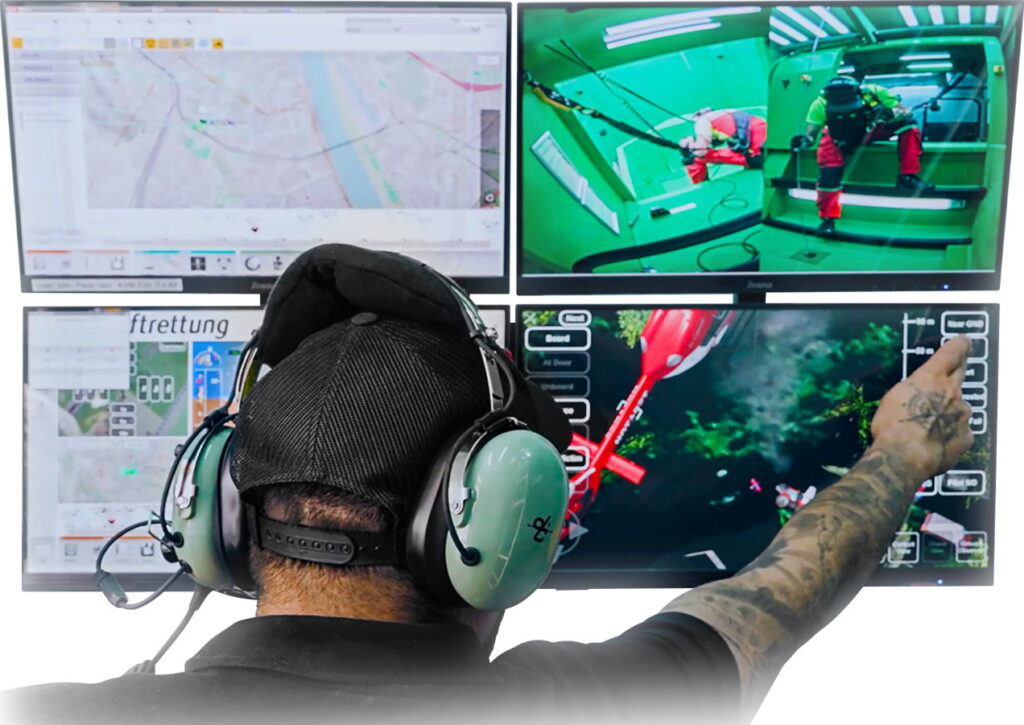
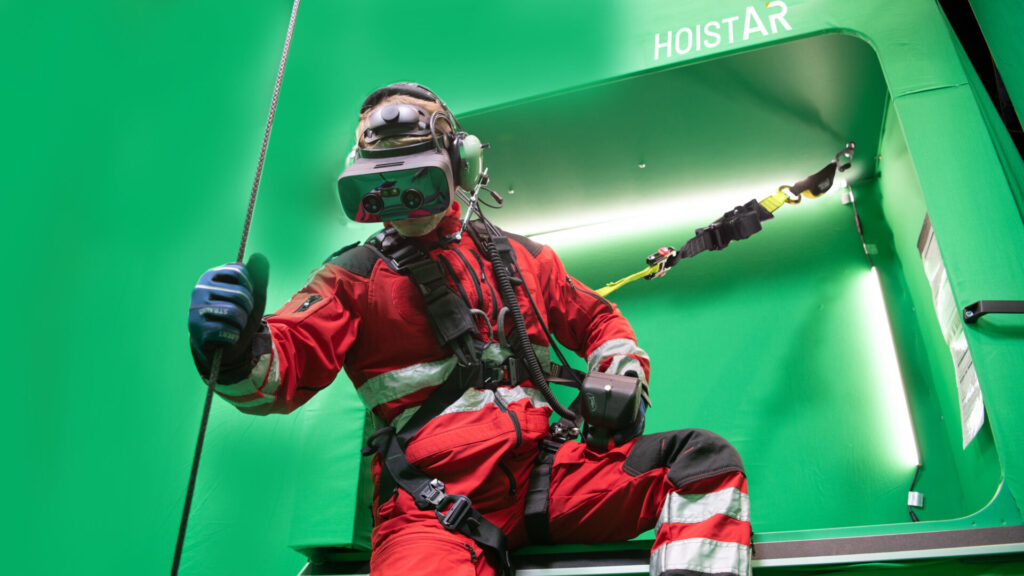
Mission Training describes the objective. XR describes the environment.
Mission Training answers the question of what is trained: a complete mission, the cooperation of a crew or decisions within a scenario. XR & Distributed Training answers the question of how that training is implemented: immersive, networked and with several roles or training stations.
An XR simulator can therefore be used for Mission Training, Pilot Training or crew training. Conversely, Mission Training can also be implemented with other systems.
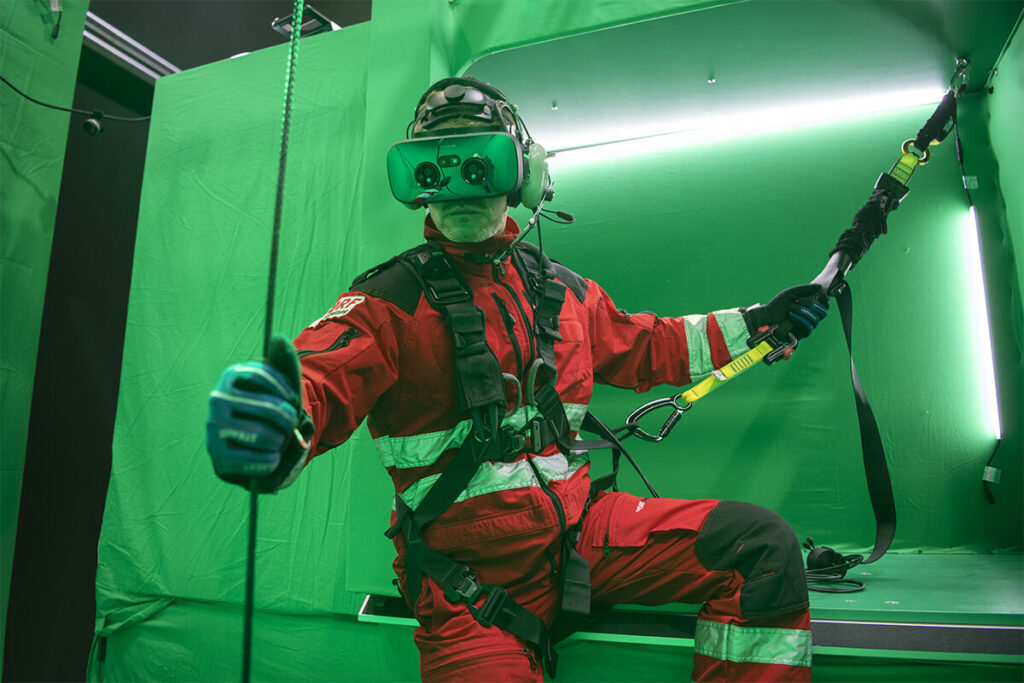
Immersive, networked and matched to the scenario.
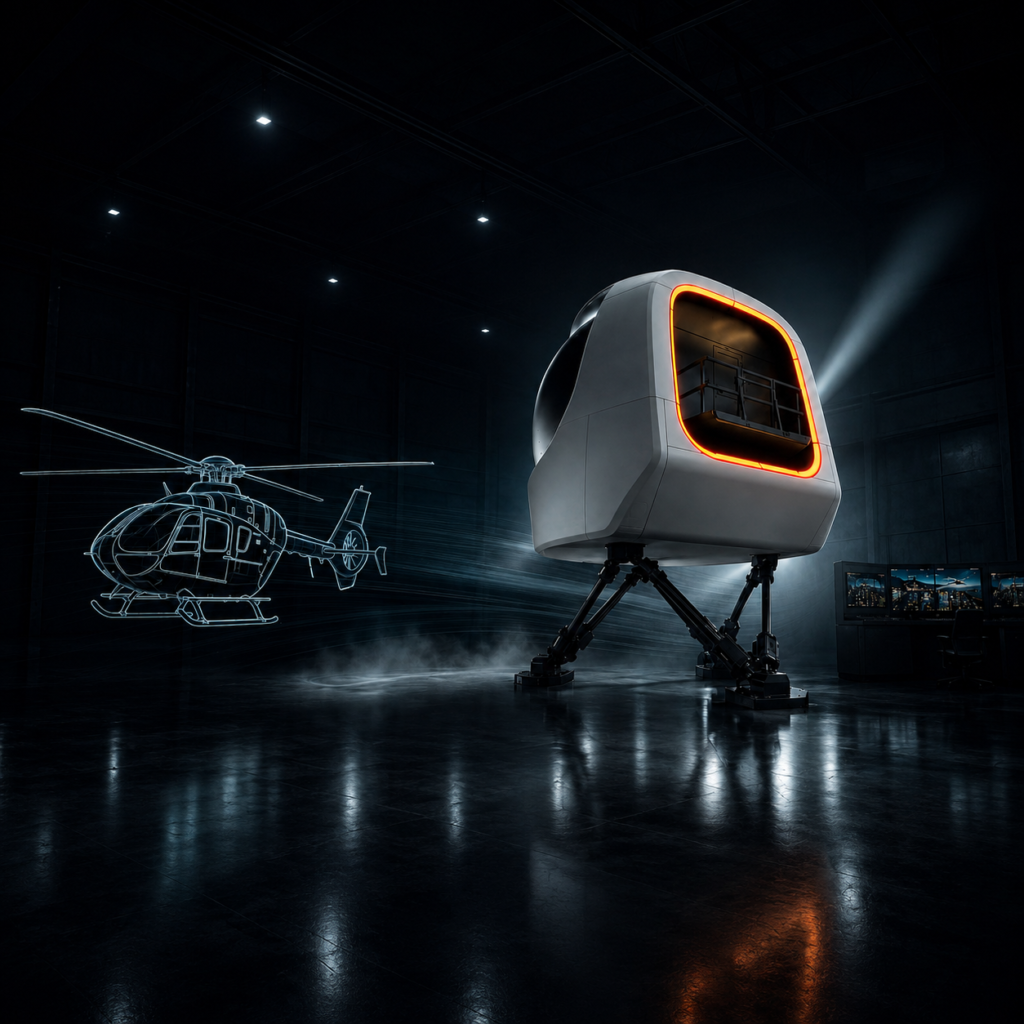
The training environment is assembled from the systems that suit the respective scenario: H145 D3 XR Simulator, networked XR stations, Mission Trainer, hoistAR®, Avionic Desktop Trainer or Flight Training Device.
The participating training stations work with aligned scenario logic. Which systems, networking requirements and assessment criteria are needed depends on the specific training objective and use.
Built on these REISER competencies
The same competency model sits behind every REISER solution, from the real system to long-term support. For XR & Distributed Training these five steps interlock. Each competency can also be booked on its own, as an engineering or OEM service.
Data acquisition
Real systems, behavior and technical context as the basis.
Design & Modeling
Findings become models, system logic and specification.
Production & Integration
Manufacturing depth and system assembly, hardware and software become one.
Training solution
A qualifiable, immersive and application-oriented solution.
Long-term support
Life cycle, updates and obsolescence management.
XR & Distributed Training, delivered in real programs.
See how XR training is assessed, qualified and put into operation.
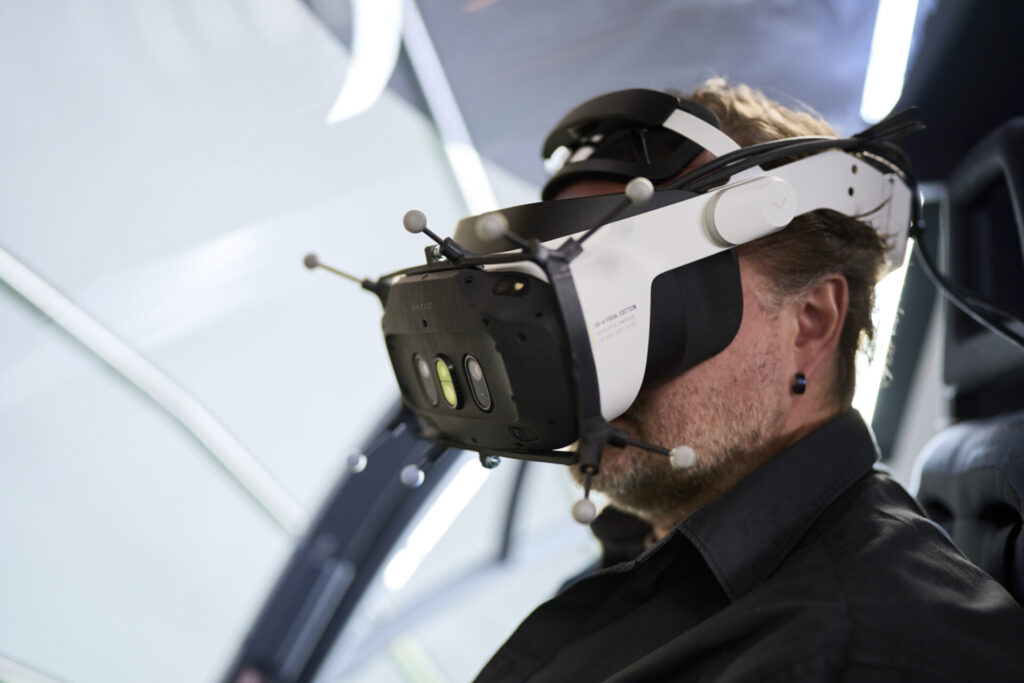
How We Bring Multi-Crew Training Into Mixed Reality
In the ARTE research project we are developing an AR/MR flight simulator for two people together with DLR. The instructor station moves into the head-mounted display, and eye tracking and …
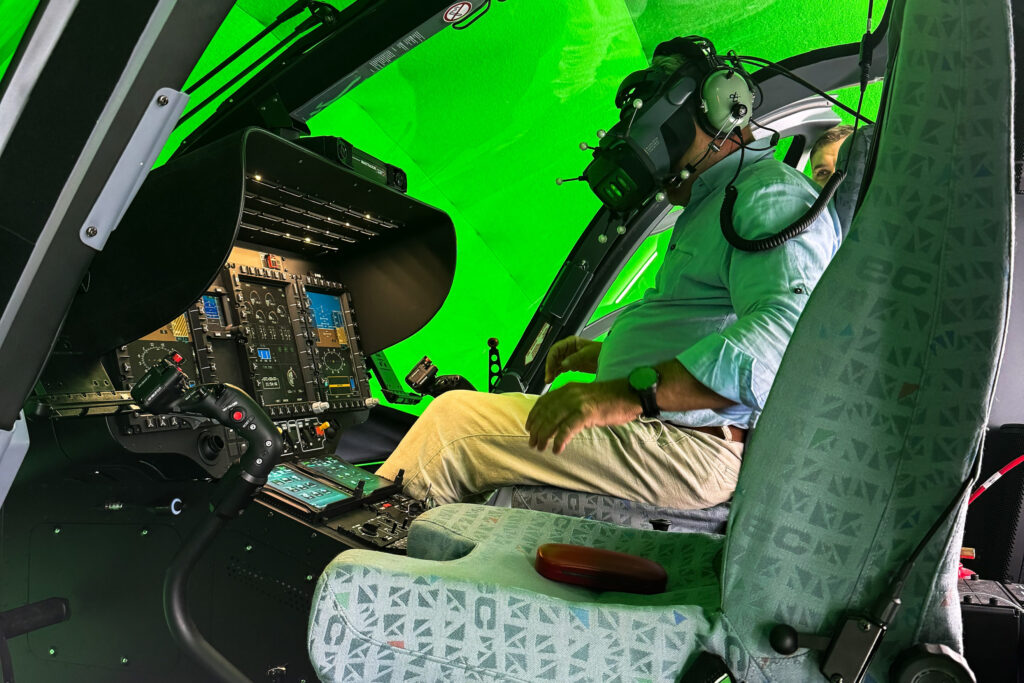
H145 XR-SIM assessed as “Ready for Training” by the German Federal Aviation Office
Reiser Simulation and Training GmbH (REISER) has successfully completed the Luftfahrt-Bundesamt (LBA) assessment of the H145 XR-SIM. The LBA, the German Federal Aviation Office, declared …
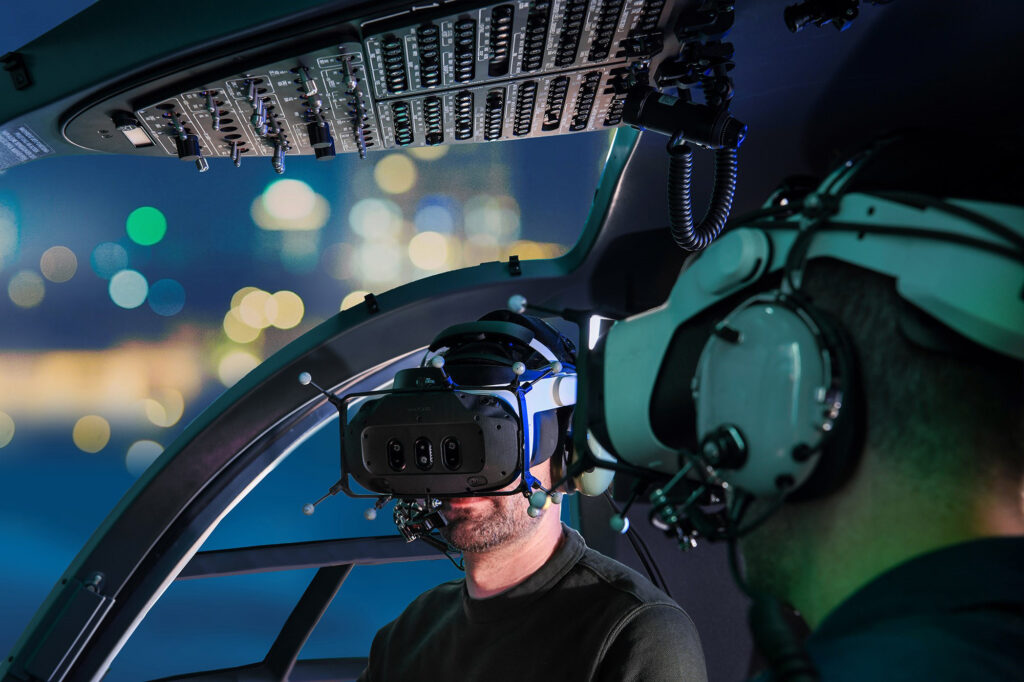
REISER XR Simulator Now Fully LBA-Qualified to EASA Standards
Reiser Simulation and Training GmbH (REISER) today confirmed that its H145 D3 XR Simulator has successfully received full qualification by the German Federal Aviation Office …
The systems behind this solution.
XR & Distributed Training is not a single product. The XR simulator, hoistAR® and desktop trainers work together.
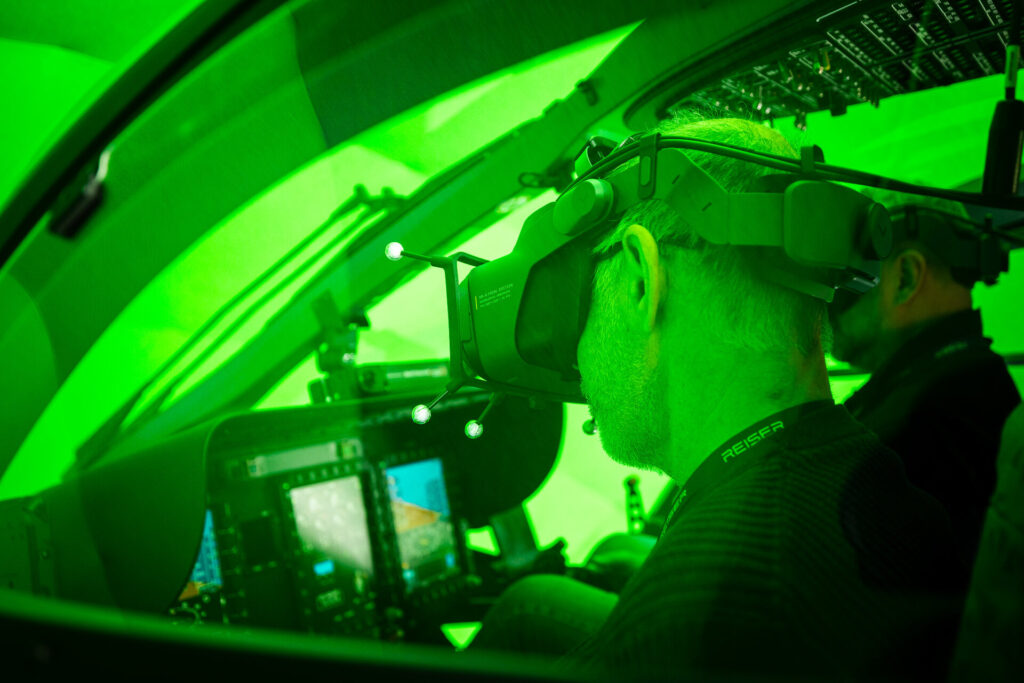
XR Simulation
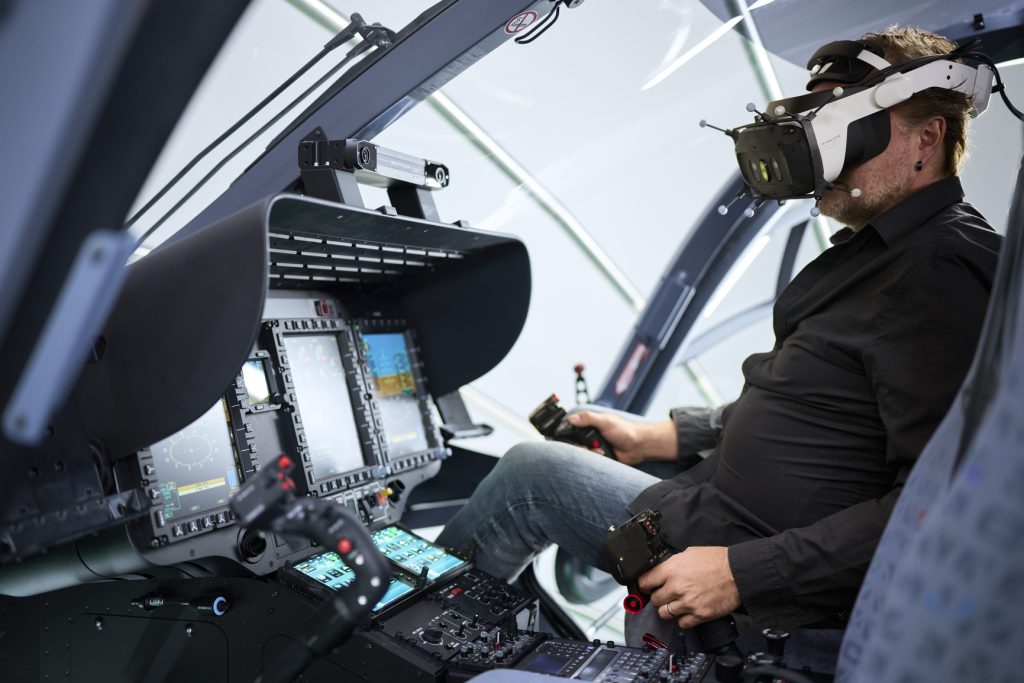
Immersive training environment for mission rehearsal and crew training.
hoistAR®
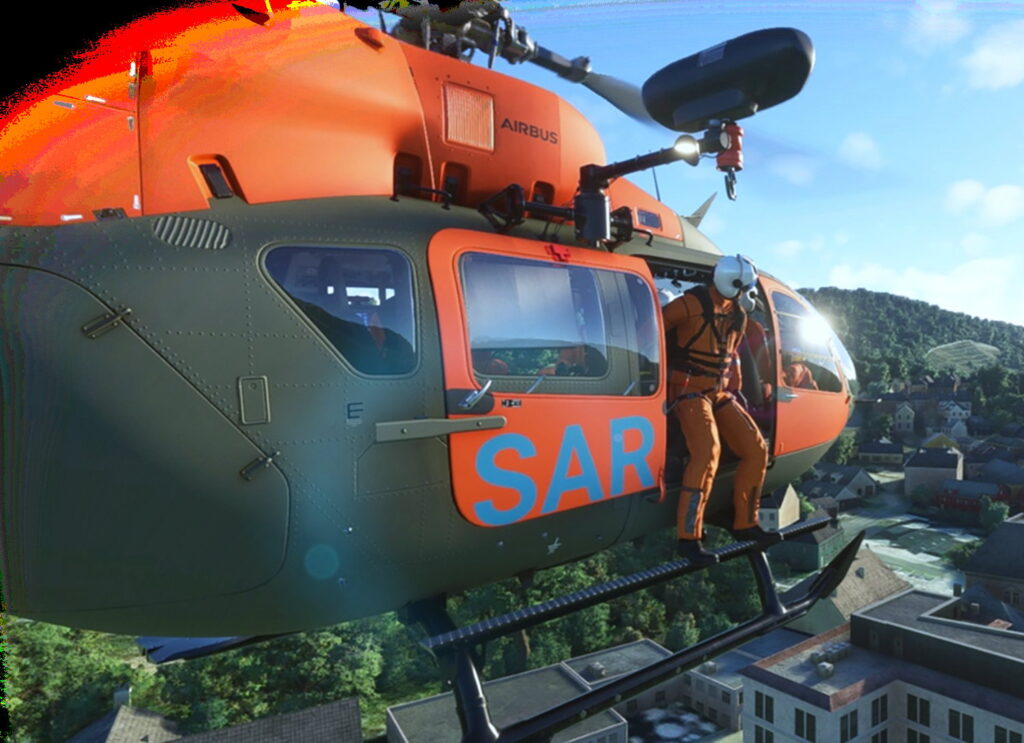
AR-supported hoist and rescue training with a real cable and a virtual load.
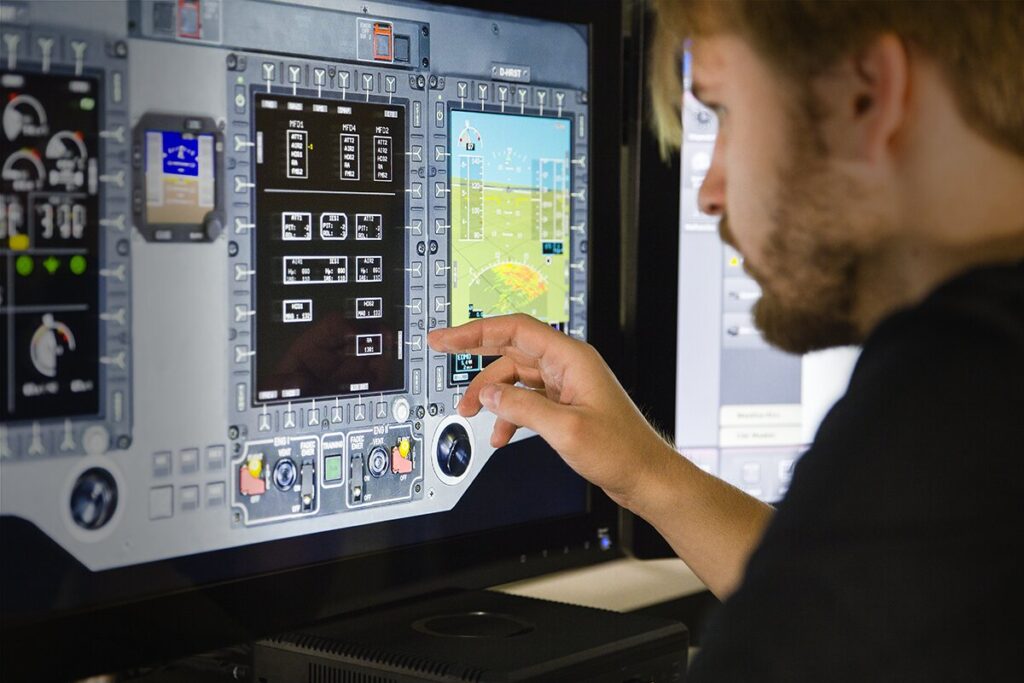
Avionic Desktop Trainer (ADT)
Avionics procedures at the desktop workstation.
FAQ
The most common questions on XR & Distributed Training, from immersive scenarios and crew coordination to project start.
What is XR & Distributed Training?
+
XR & Distributed Training combines immersive training environments with cross-site networking. Several people or crews can train the same scenario together, even when they are not in the same place.
How does Distributed Training differ from classic simulator training?
+
In classic simulator training the participants often train on the same device or at the same location. Distributed Training connects several training stations into one shared environment with aligned scenario logic.
How does XR training differ from Mission Training?
+
Mission Training describes the training objective and the content: complete missions, crew coordination and decisions. XR training describes the technical training format and the immersive environment. XR can be used for Mission Training, but it is not the same as the training objective.
Which training objectives is the format suitable for?
+
For scenarios in which several roles, crews or locations have to work together in a coordinated way. These include mission rehearsal, crew coordination, multi-crew coordination and cross-site training.
Which systems can be used?
+
Depending on the project, XR simulators, networked XR stations, Mission Trainers, hoistAR®, Avionic Desktop Trainers and further training systems can be connected with one another.
How is a common assessment basis ensured?
+
The training environment is designed so that the participating training stations can work with aligned scenario logic and a common assessment basis. Which requirements apply depends on the training objective, the systems and the intended use.
How does a project start?
+
It starts with the training objective, the operational scenario, the user groups and the participating locations. Existing systems, technical interfaces, training content and networking requirements are then clarified.
How should your shared scenario become trainable?
Discuss with REISER which roles, locations and training systems should work together in your environment.