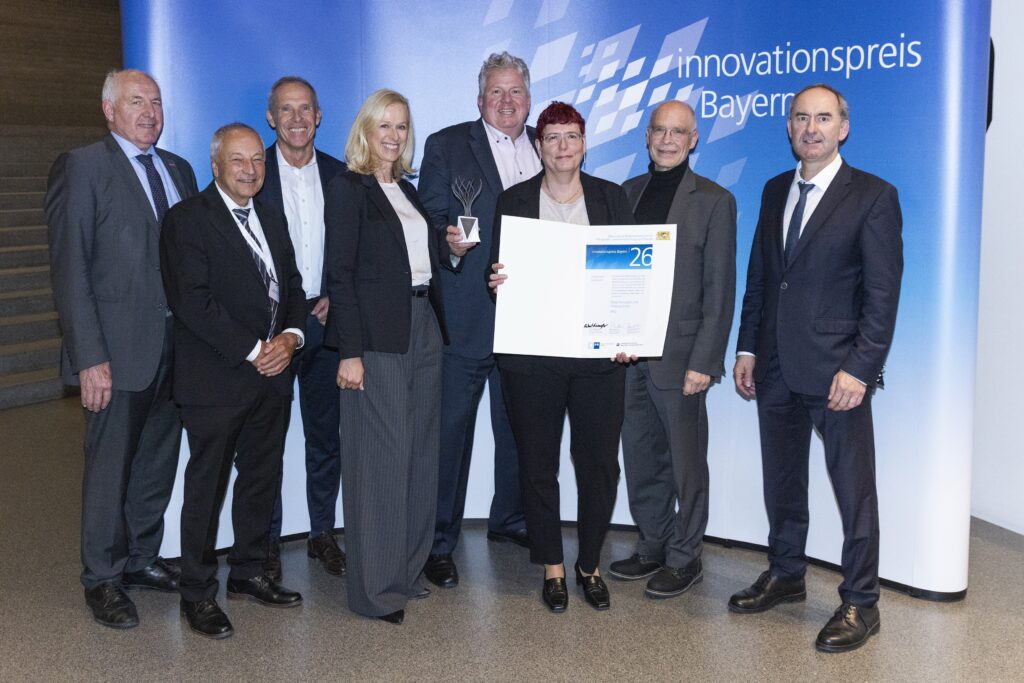

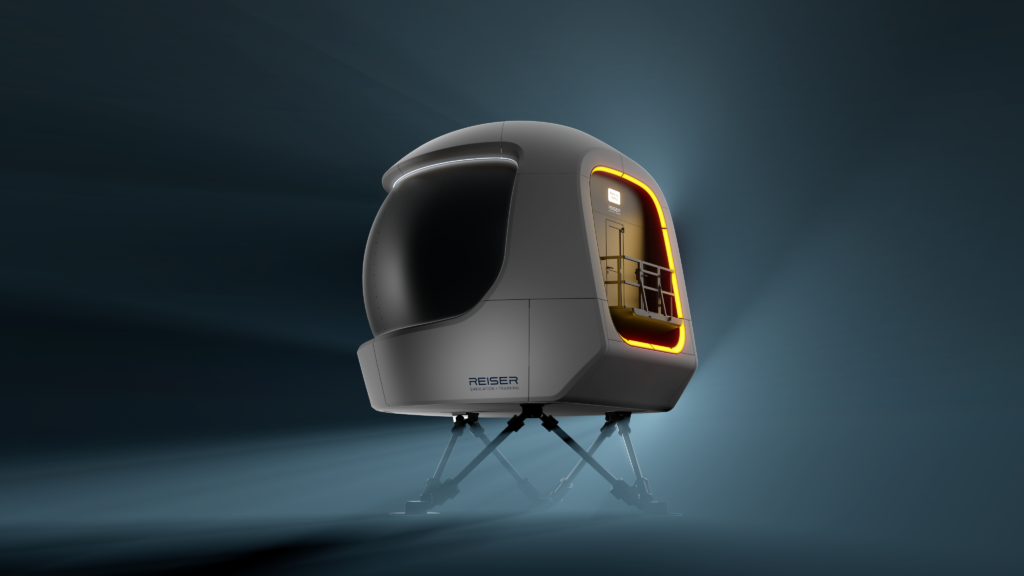

Berg/Munich, Germany, 26 October 2026. Reiser Simulation and Training GmbH (REISER) has received the Bavarian Innovation Award 2026 for its H145 XR-Simulator (XR-SIM). The award is jointly presented by the Bavarian Ministry of Economic Affairs, Regional Development and Energy and the Bavarian Chamber of Industry and Commerce in recognition of outstanding innovation by Bavarian companies. REISER’s CEO Dr. Johannes Hain and Chief Technology Officer Martin Keil accepted the award during a ceremony held today at the Pinakothek der Moderne in Munich.
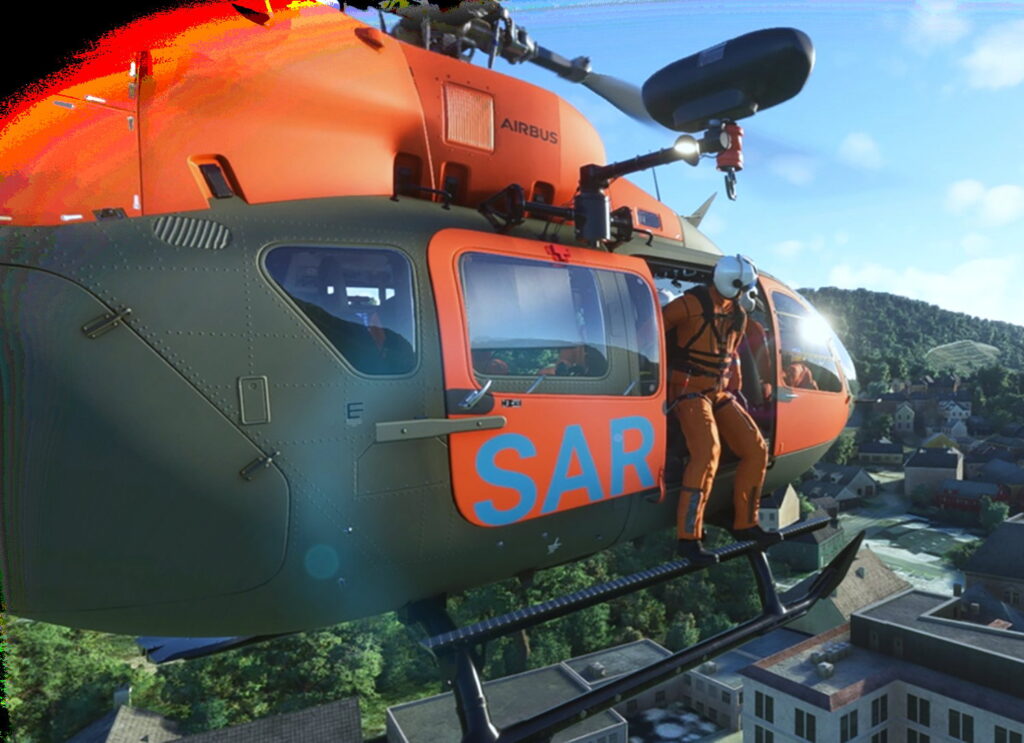
The H145 XR-SIM demonstrates how mixed-reality technology can be applied to aviation training, contributing to the development of a competitive simulation technology market in Bavaria and supporting highly skilled employment in the region.
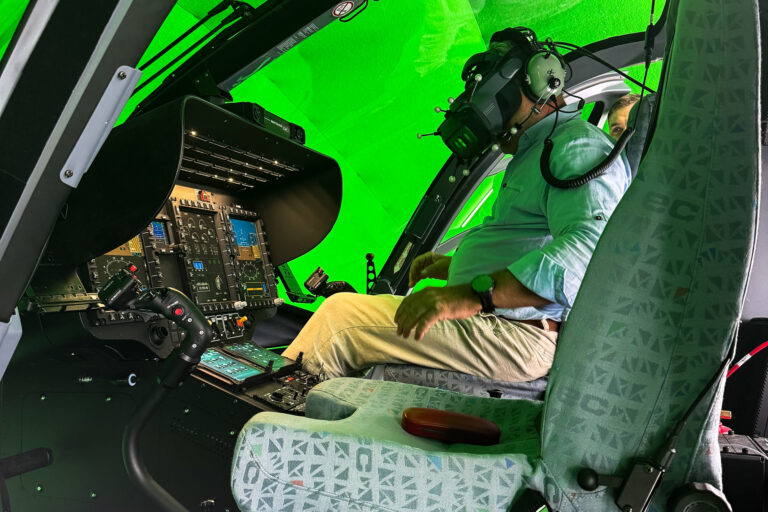
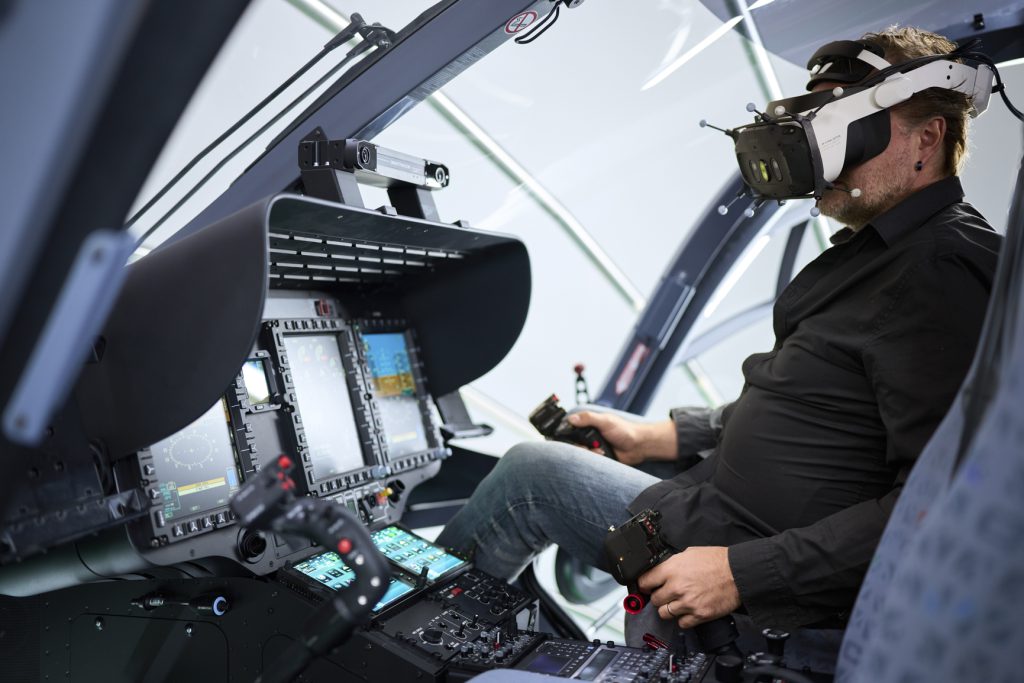
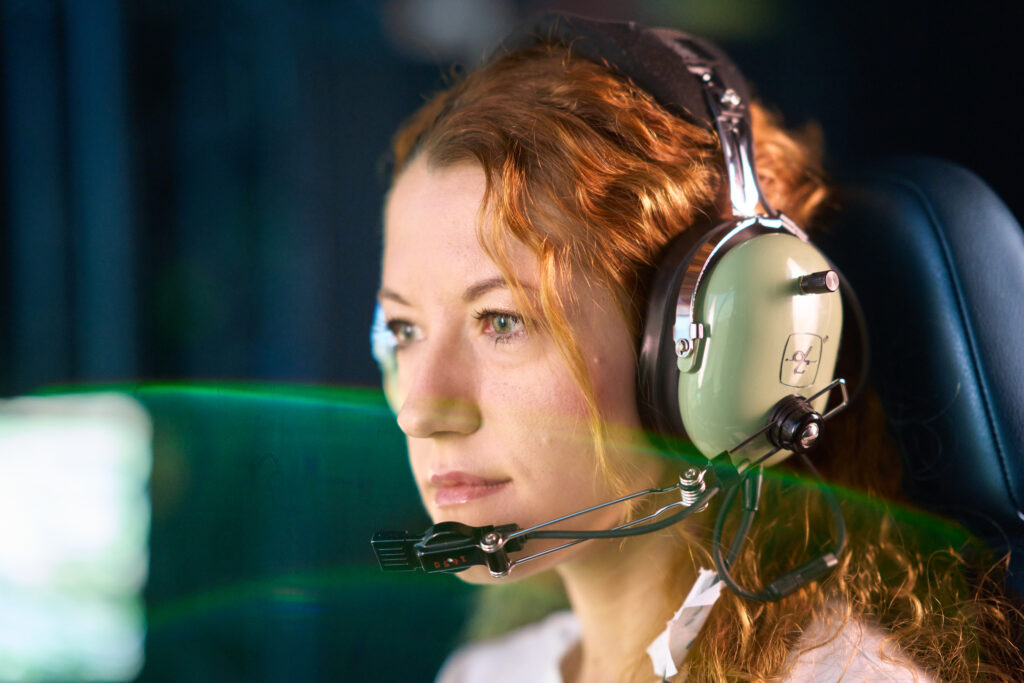
Unlike conventional flight simulators, which rely on large projection systems, the XR-SIM uses mixed-reality headsets. Pilot and copilot train together in the same virtual scenario while seeing and operating the full-scale haptic cockpit, controls and displays. Requiring significantly less space than a conventional Full Flight Simulator, the system offers a flexible and scalable approach to realistic multi-crew training.
Qualified by Germany’s Federal Aviation Office (Luftfahrt-Bundesamt, LBA) as a Level 3 Flight Training Device, the XR-SIM can be used as a standalone system or integrated with other members of the REISER training device family. This allows operators to expand training capacity and make professional multi-crew training more readily available.
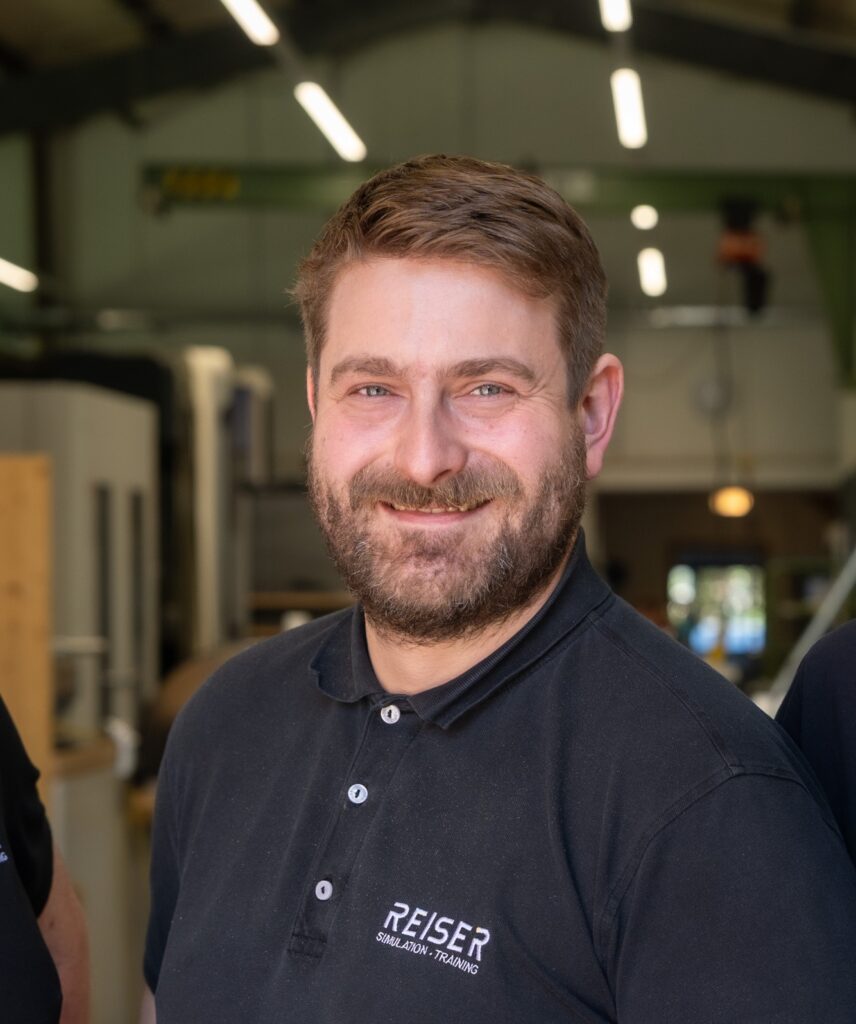
“Winning the Bavarian Innovation Award is a strong endorsement of REISER’s innovation strategy and our commitment to making training safer, more sustainable and more efficient,” said Martin Keil, Chief Technology Officer at REISER. “The XR-SIM shows how our team translates that ambition into practical training solutions. This recognition belongs to everyone who contributed to its development.”
REISER has already adapted the XR-SIM concept to additional rotary-wing platforms and plans to extend the technology to fixed-wing applications. Its modular architecture provides the basis for adapting the system to different aircraft types and evolving training requirements.