
Simulation Components
Fixed Wing
G-Cueing Systems
gCueing Systems
Make G-forces tangible, for training that comes closer to reality.
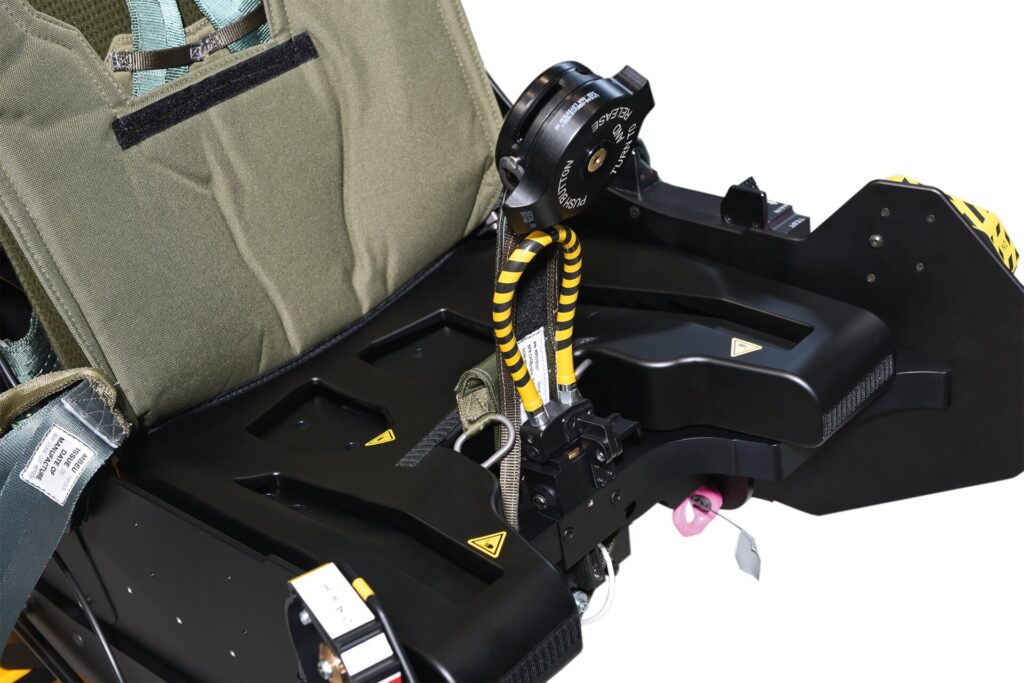
REISER gCueing Systems translate physical cues of acceleration and motion into a realistic training environment. The portfolio comprises two available products. G-seats deliver perceptible acceleration and vibration cues, and Simulated Anti-G Systems provide the modular connection of a G-suit and/or breathing air. Depending on platform and training objective, the systems can be built as a stand-alone component or as part of an integrated simulator solution and integrated into REISER simulators.
Product family
Simulation Components
Systems
SAGS
G-Seats
Simulation Seats
Systems & variants
Three building blocks for physiologically realistic jet training.
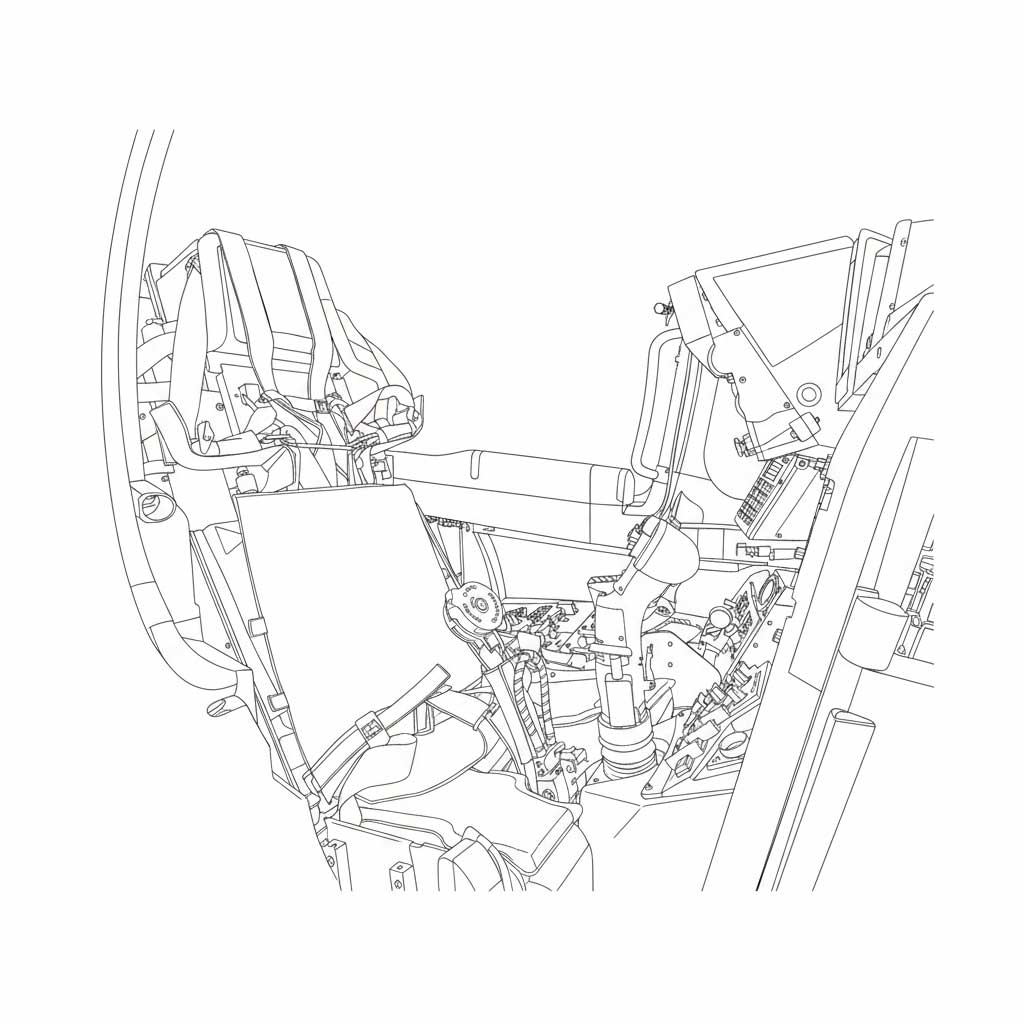
G-Suit, Breathing Air and G-Seats. The components can be integrated individually or combined into a coordinated overall system.
gCueing / Systems
SAGS
G-Suit
The Simulated Anti-G System can be equipped with a compressed air module for the G-suit. The system supplies the G-suit with compressed air, and its characteristics can be tuned individually to the behavior of the original system.
Martin Baker
Breathing Air
The Simulated Anti-G System can be equipped with a compressed air module for the pilot mask. The system includes breathing air treatment and meets the highest safety standards. Depending on the requirement, it can be configured as a "positive pressure" or a "pressure on demand" system in order to match the behavior of the original system.
Overview
Make G-load tangible without leaving the ground
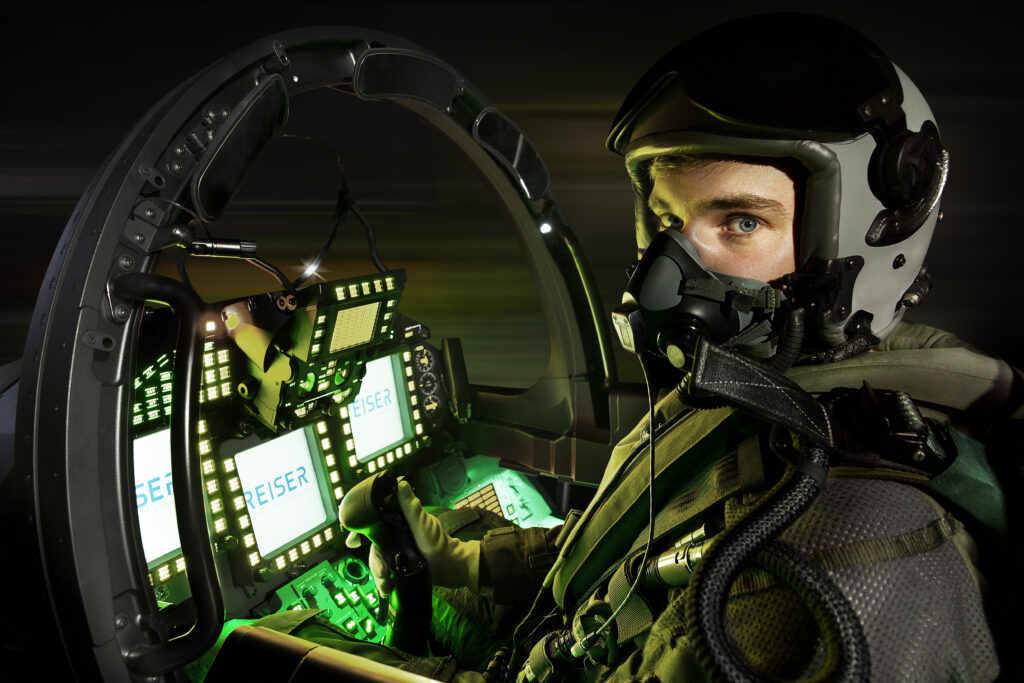
A simulator can represent flight states precisely. For pilots, however, realism is not decided on the displays alone. Acceleration, pressure, vibration and the physical response are part of the training too. REISER gCueing Systems make these cues tangible and tie them to the respective simulation environment.
The challenge
In training, pilots have to execute procedures and respond to physical load at the same time. Positive and negative acceleration, pressure changes, vibration and the interaction with the G-suit or breathing mask influence perception and action. If these factors are not reproduced, an important part of the real situation is left out.
The solution
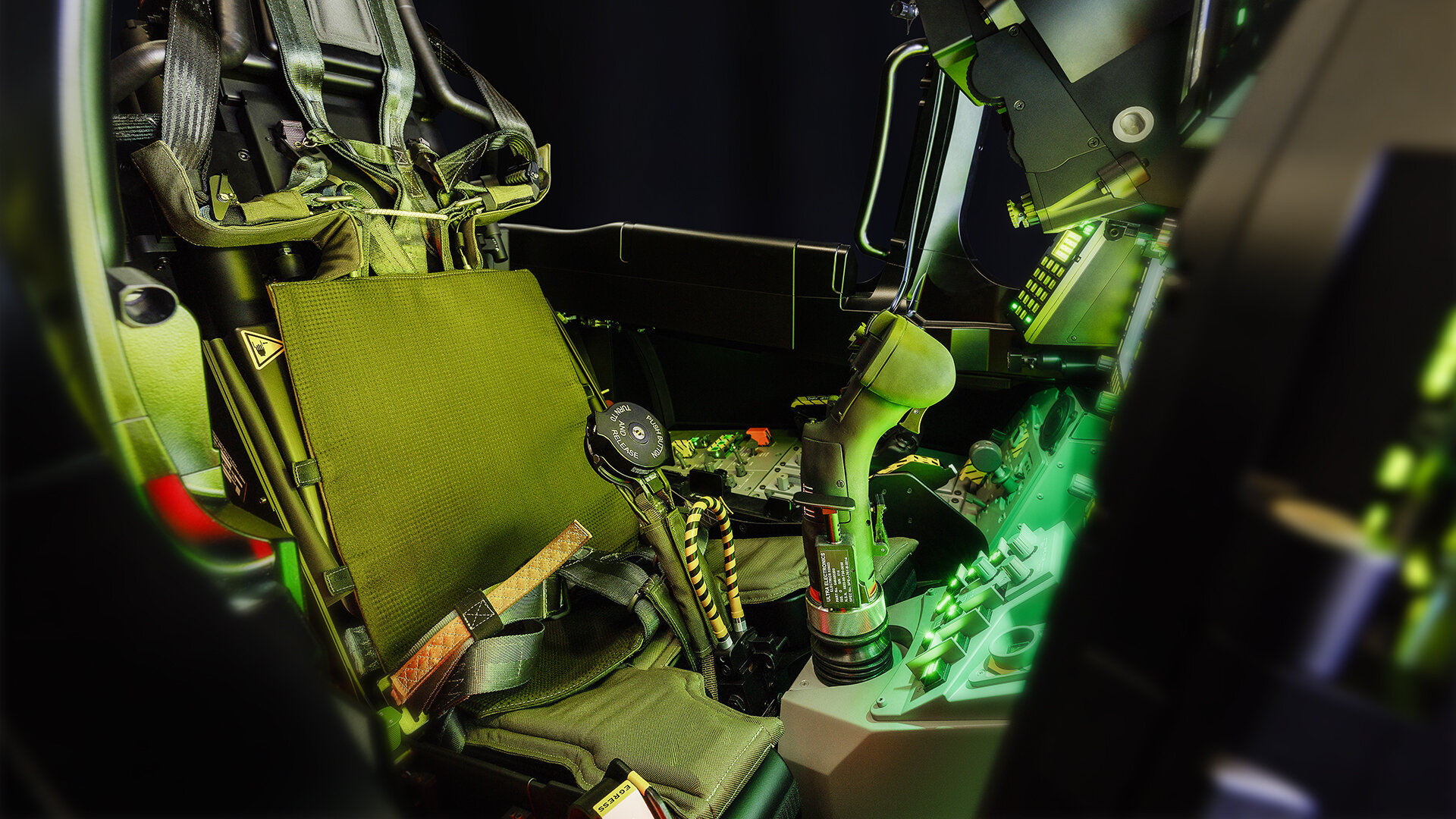
REISER combines pressure control, breathing air, actuation and seat integration into coordinated cueing solutions. The Simulated Anti-G System controls the relevant pressure profiles. G-seats transfer acceleration and vibration cues to the body. Replica and ejection seats create the matching physical environment for cockpit, safety and procedures training.
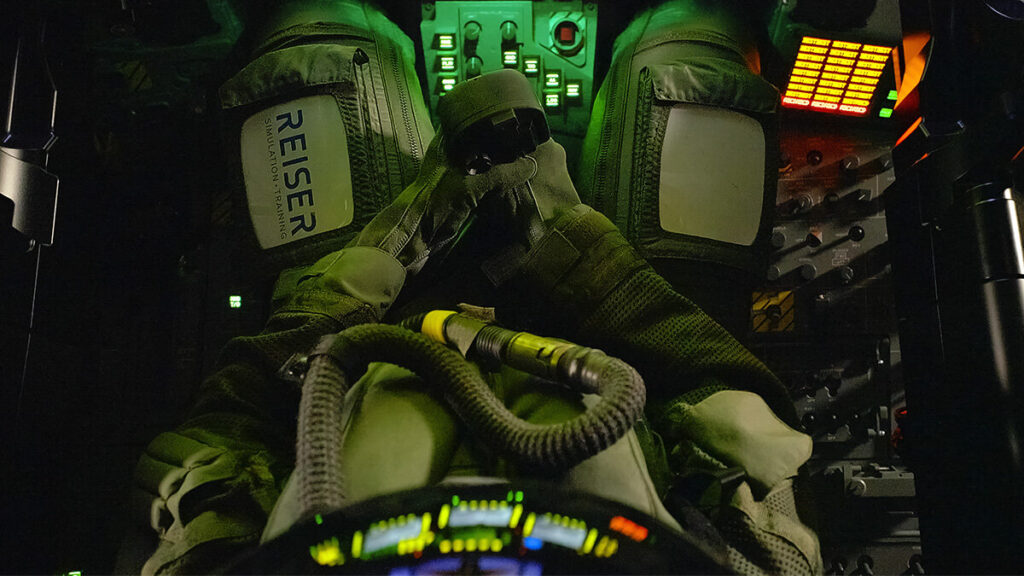
The benefits
Simulated effects of G-forces and vibration
Modular design of the anti-G system enables cost-efficient configuration to requirements
Integration into REISER simulators and existing training environments
Maintenance-friendly design that meets the highest safety standards
Typical application scenarios
Fast-Jet Training
G-Cueing
Anti-G Training
Safety Procedure
Ingress / Egress
The system in detail
From pressure control to the interface with the host simulator, gCueing Systems have to work together reliably, precisely and safely. The four system areas show how REISER translates physical training cues into an integrated simulator solution.
1
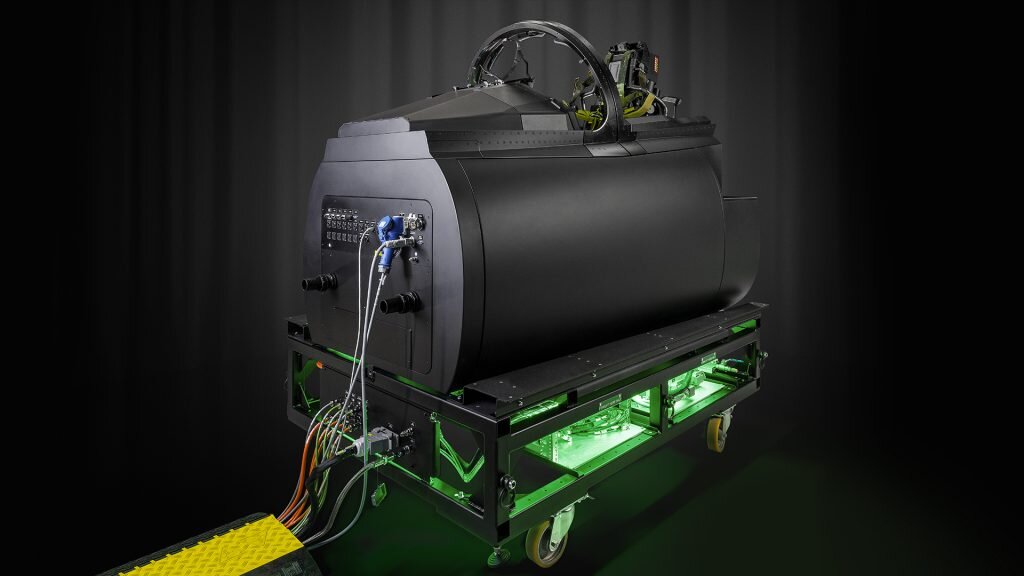
Pressure control & breathing air
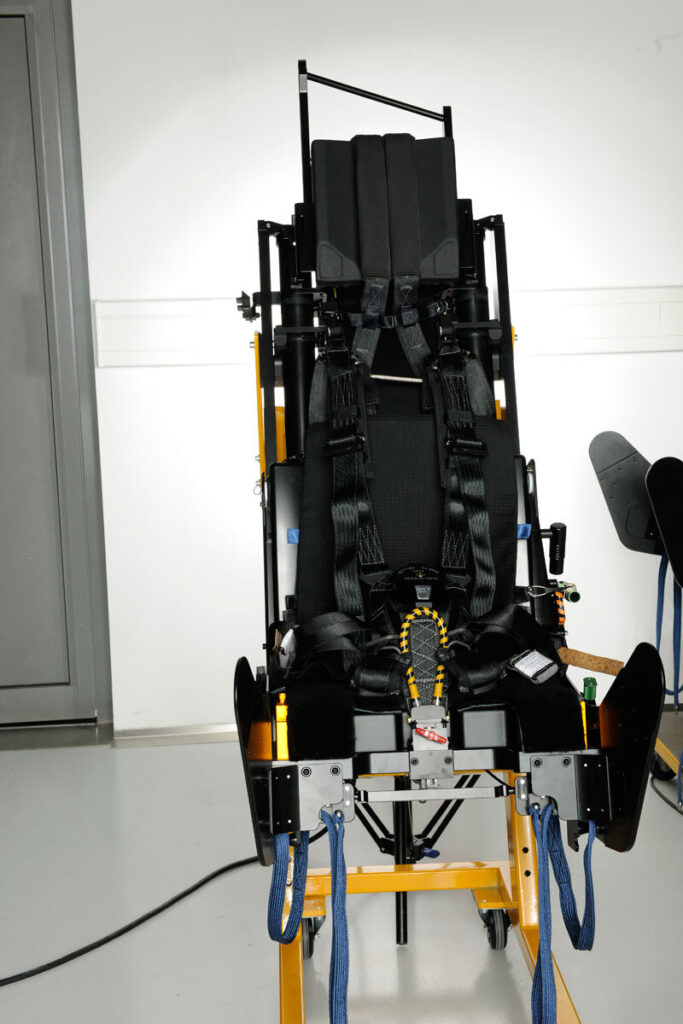
The G-seat actuation translates acceleration cues from the simulation into perceptible motion and vibration. Positive and negative acceleration can be reproduced through surge, sway and roll. The compact design allows integration into replica seats of various aircraft platforms.
Dynamic pressure control
High performance in pressure build-up and release
Interfaces for anti-G trousers and breathing mask
Configurable channels for different applications
Oil-free, low-noise compressor unit
Modular design for simplified maintenance
Breathing air quality to ISO 12021
2
G-seat actuation
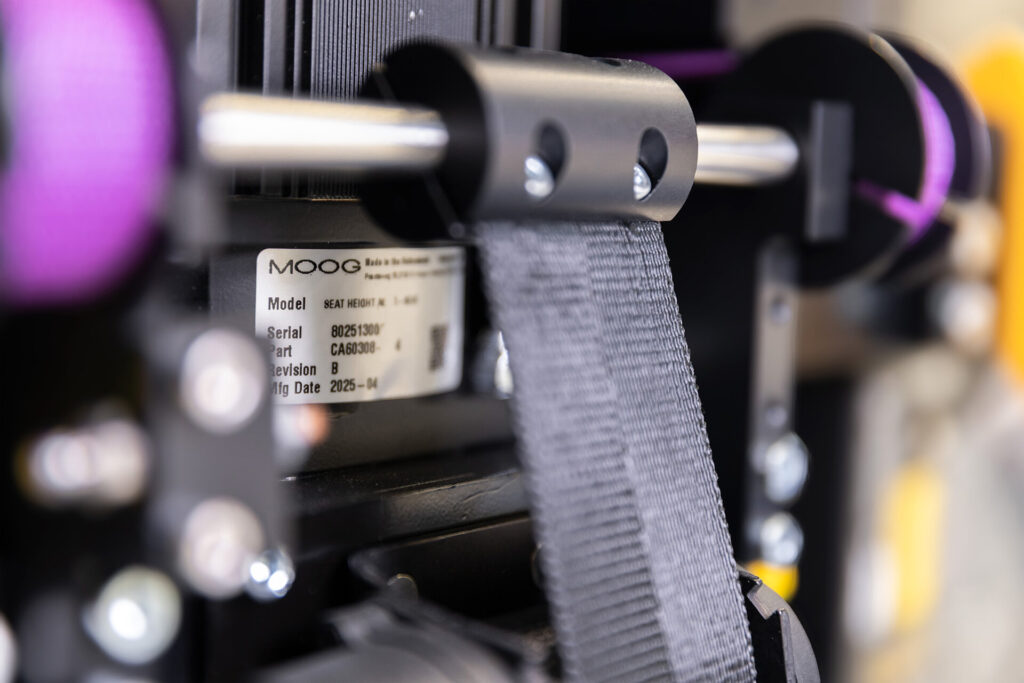
The G-seat actuation translates acceleration cues from the simulation into perceptible motion and vibration. Positive and negative acceleration can be reproduced through surge, sway and roll. The compact design allows integration into replica seats of various aircraft platforms.
Simulation of positive and negative acceleration
Motion and vibration cues for surge, sway and roll
Compact integration into replica seats
Real-time control via an independent control system
Optionally expandable to up to nine channels
Individual control of shoulder harness and leg restraints
G-suit pressure control depending on the configuration
3
Safety & standards
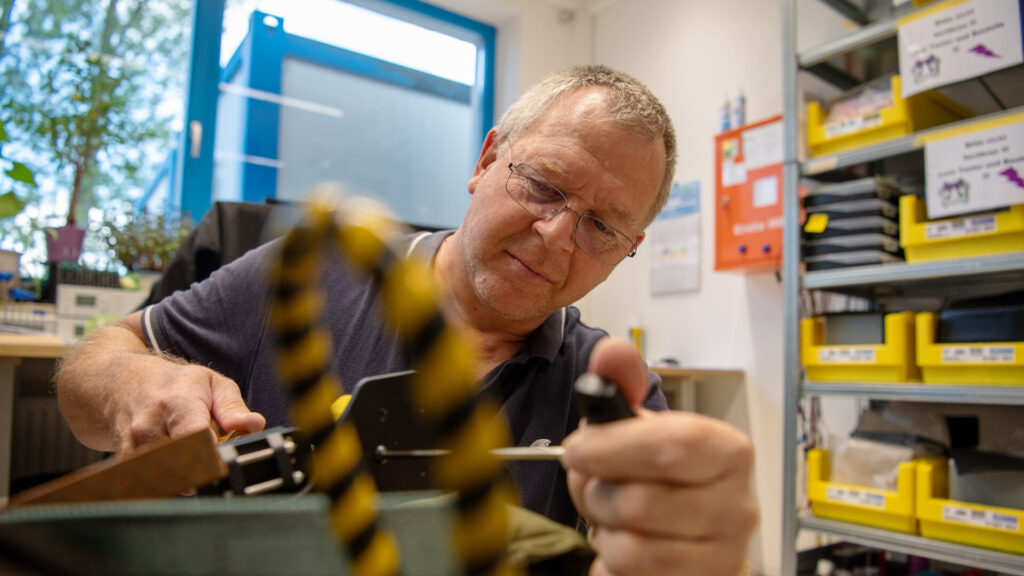
Safety functions and ergonomic operation are central parts of every G-cueing solution. Redundant safety functions, matched components and accessible assemblies support safe operation and maintenance.
Redundant safety functions to ISO 13849-1
Design to match the respective system requirement
Maintenance-friendly components
Adjustable seat height on selected Simulation Seats
Safety and emergency egress functions depending on the seat variant
Functional accessories for realistic procedures
4
Interfaces & integration
gCueing Systems connect to the simulation software and to the respective platform. The SAGS supports CANaerospace and OPC UA interfaces. G-seat systems have Ethernet-based host interfaces with UDP and TCP/IP support.
Integration into REISER simulators
CANaerospace or OPC UA for SAGS
Ethernet UDP and TCP/IP for G-seat systems
Real-time communication with the host simulator
Integration into replica and ejection seats
Project-specific adaptation of hardware and interfaces
Experience gCueing live.
On site in Berg or remotely. Our experts show you the system in operation and answer technical questions directly.
FAQ
Typical questions about gCueing Systems, from anti-G functions to integration.
Which gCueing Systems does REISER offer?
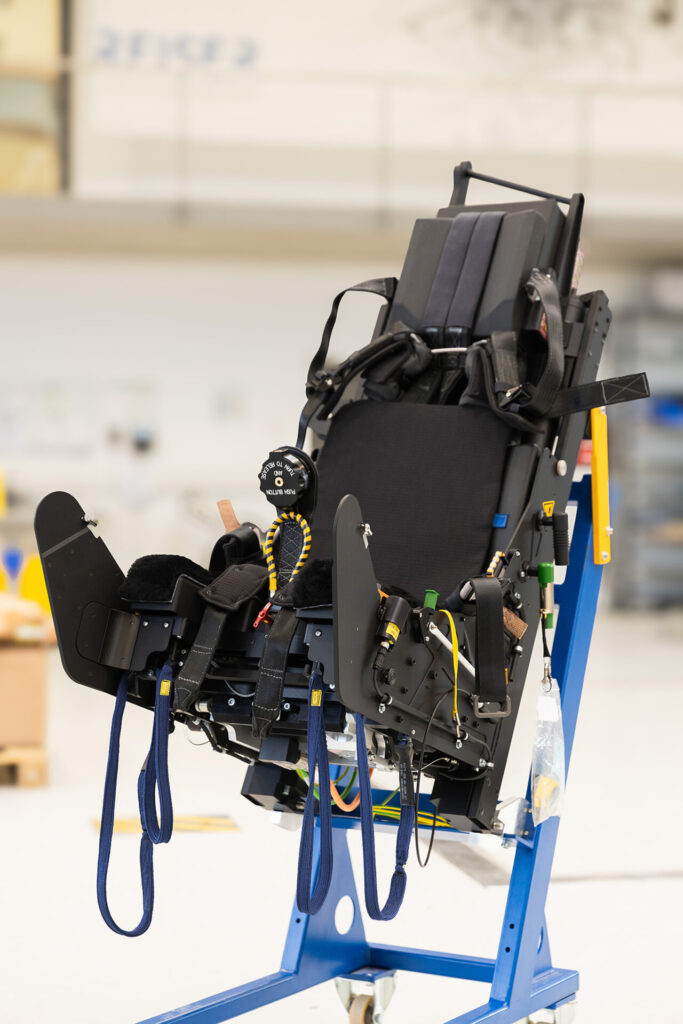
REISER offers Simulated Anti-G Systems, G-seat solutions and high-quality replica ejection seats and crashworthy Simulation Seats. The systems can be used individually or as a combined solution.
What does the Simulated Anti-G System do?
The SAGS controls pressure profiles for connected anti-G components such as anti-G trousers and breathing masks. The pressure can be regulated dynamically and adapted to the given training situation. The system also supports integration via CANaerospace or OPC UA.
Which accelerations can a G-seat simulate?
A G-seat can reproduce physical cues for positive and negative acceleration as well as vibration. Depending on the configuration, motion cues are simulated through surge, sway and roll. The actuation can also be extended for more individual control of shoulder harness and leg restraints.
Can G-cueing systems be integrated into existing simulators?
Yes. The systems are designed for integration into REISER simulators. Depending on the product, CANaerospace, OPC UA, Ethernet UDP and TCP/IP are available as interfaces, among others. The specific connection is matched to platform, software and training objective.
Which seat solutions does REISER offer?
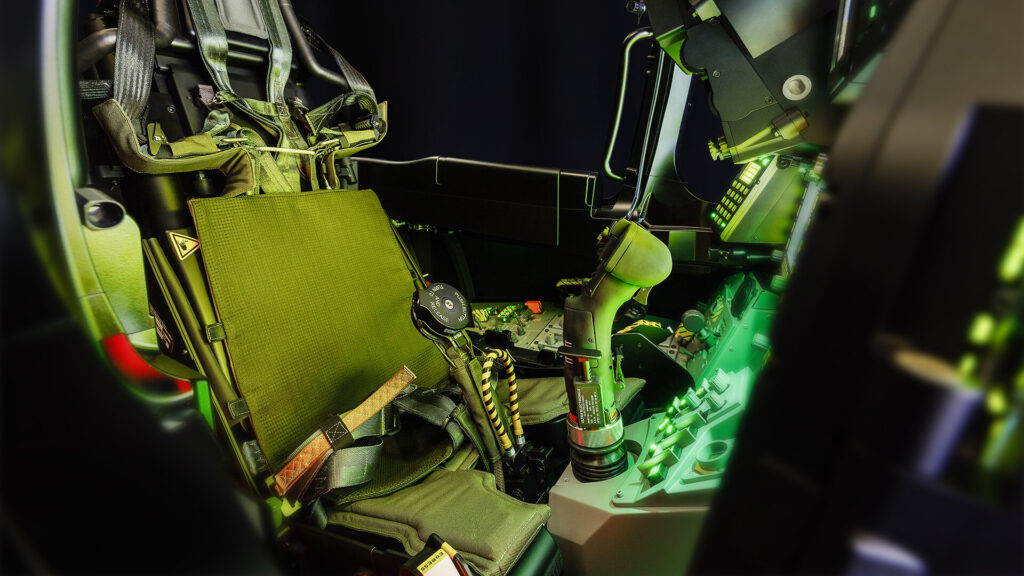
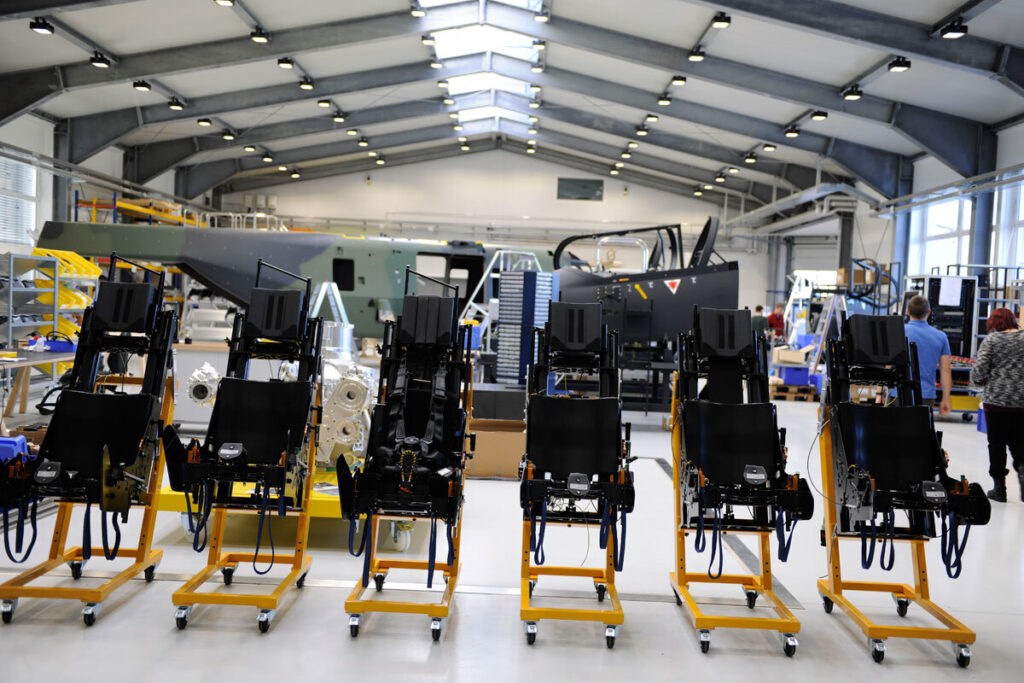
REISER develops and manufactures high-quality replica ejection seats and crashworthy seats for jets and helicopters. Depending on the configuration, ingress and egress training, seat height adjustment, safety training and G-cueing, G-suit and breathing air functions are possible.