
Flight Training
Rotary
Fixed Wing
EASA Level D
Full Flight Simulator (FFS) Level D
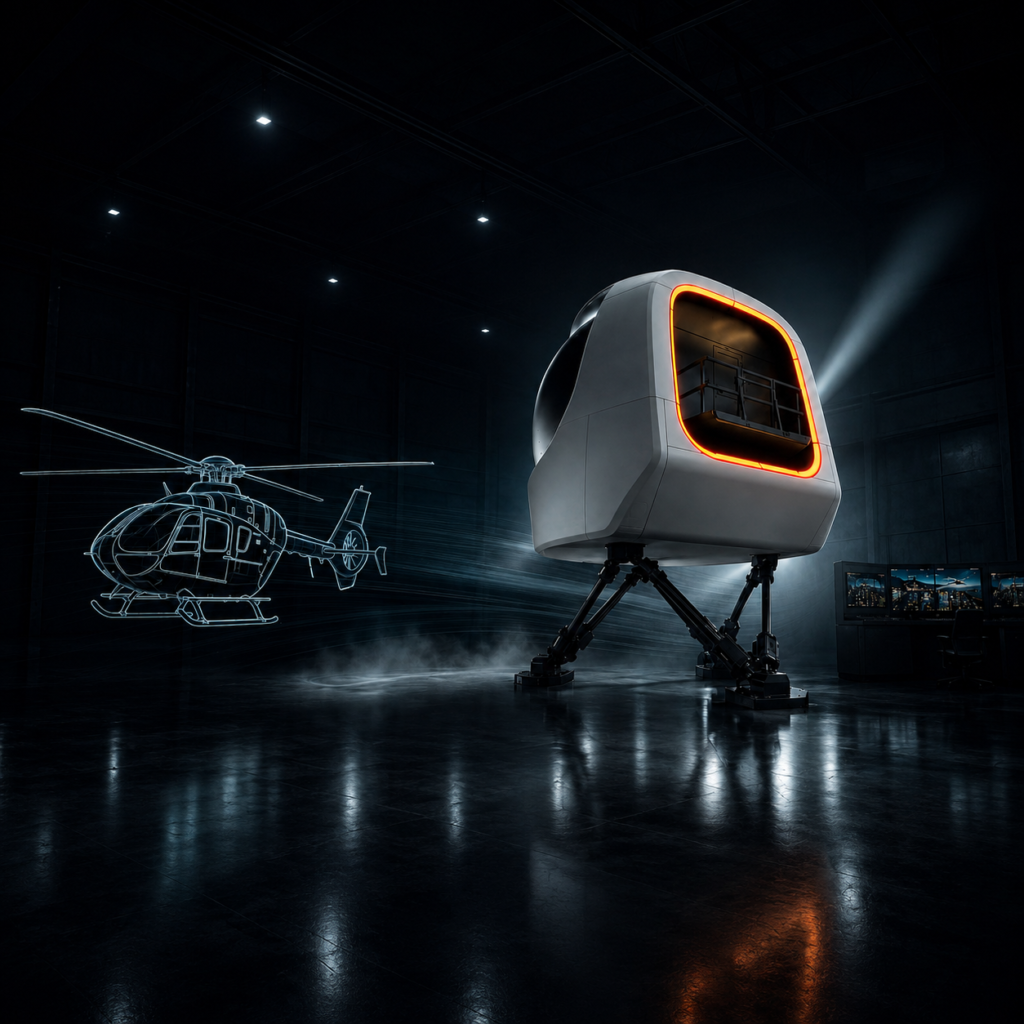
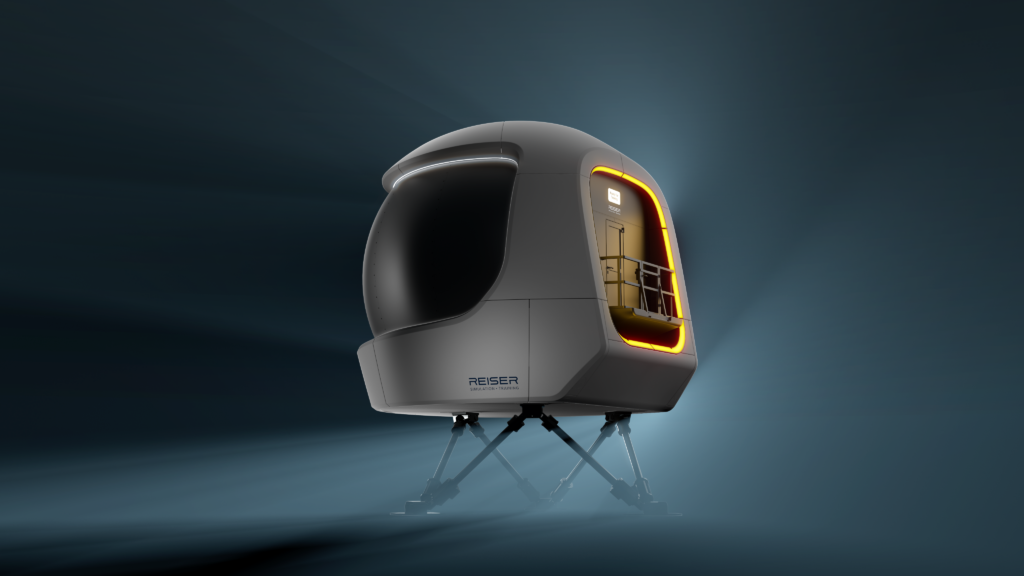
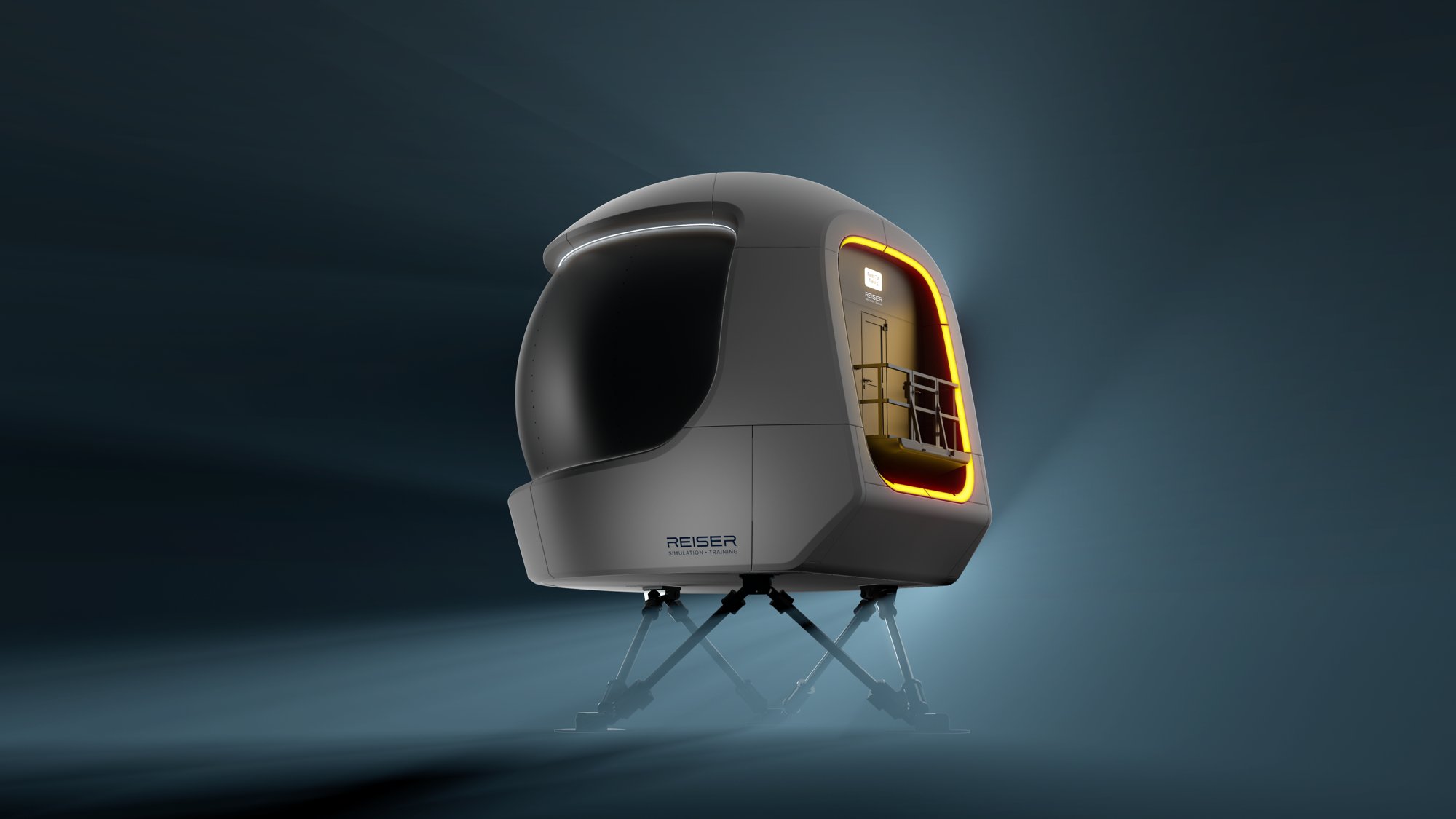
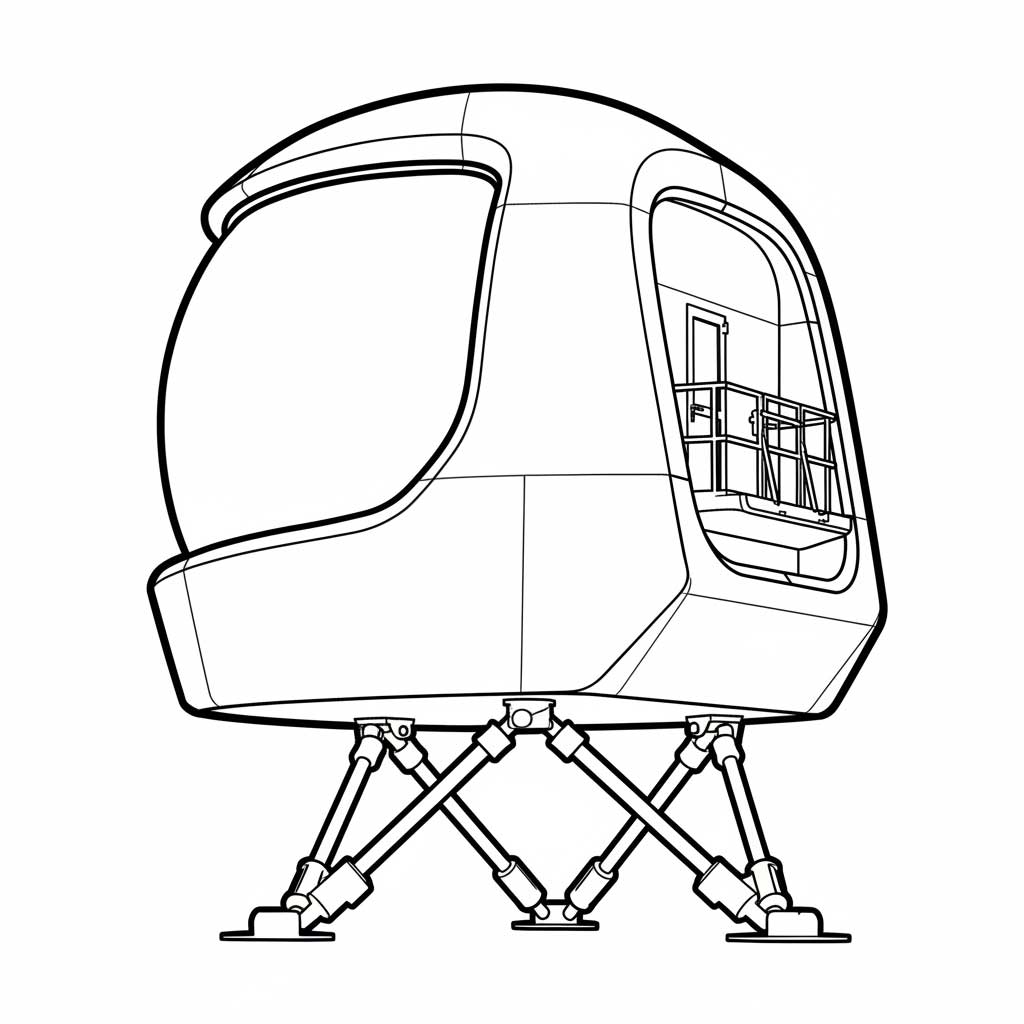
The REISER Full Flight Simulator (FFS) Level D combines a modular 11 ft mothership platform with interchangeable cockpit modules for different helicopter and aircraft types. The roll-on/roll-off concept makes it possible to switch flexibly between training configurations. A motion and vibration system, a 240° × 80° visual system and realistic audio and environment simulation create a qualified, true-to-life training environment for demanding flight and mission scenarios.
Product family
Full Flight Simulator
Level D
Qualification
EASA CS-FSTD (H) – Level D
CS-FSTD FCS (Coming Soon)
FAA 14 CFR Part 60 – Level D
UK CAA – Level D
Interchangeable cockpits
H125
H135
H145
NH90
H175
AW139
AW169
Interchangeable cockpits
One simulator. Several types.
With the interchangeable cockpit solutions from REISER, different aircraft types can be replicated on one shared simulator platform. The available cockpits and variants provide a flexible basis for true-to-life training in civil and military aviation.
Rotary
Fixed Wing
FFS / Rotary
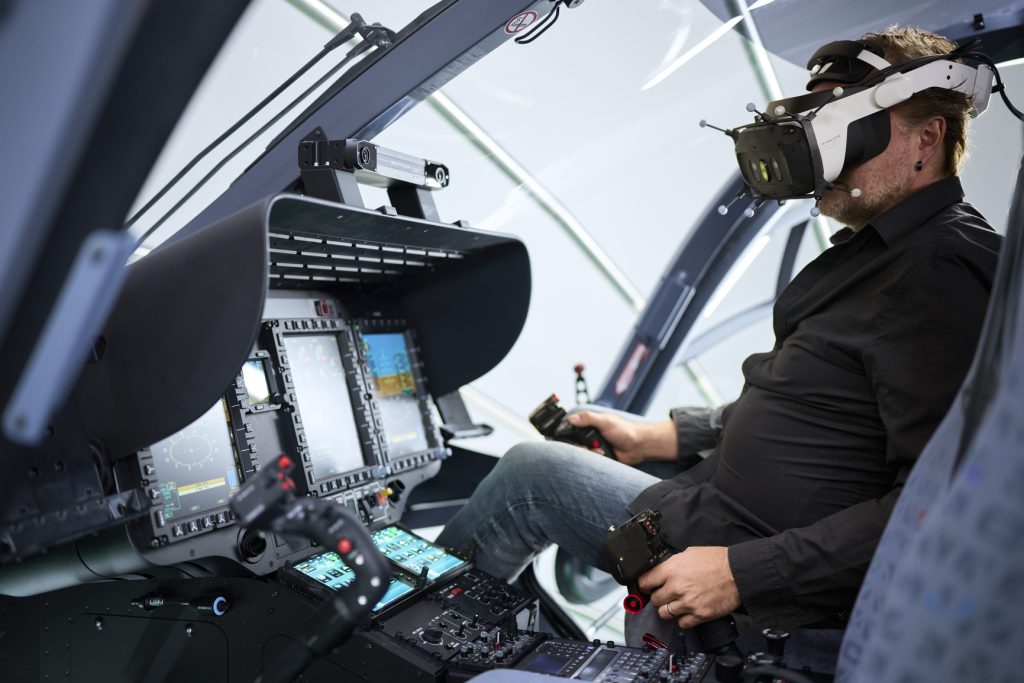
Cockpit solutions for helicopter training with different aircraft types. The interchangeable cockpits reproduce the operating concepts, instrumentation and spatial conditions of each type.
Airbus
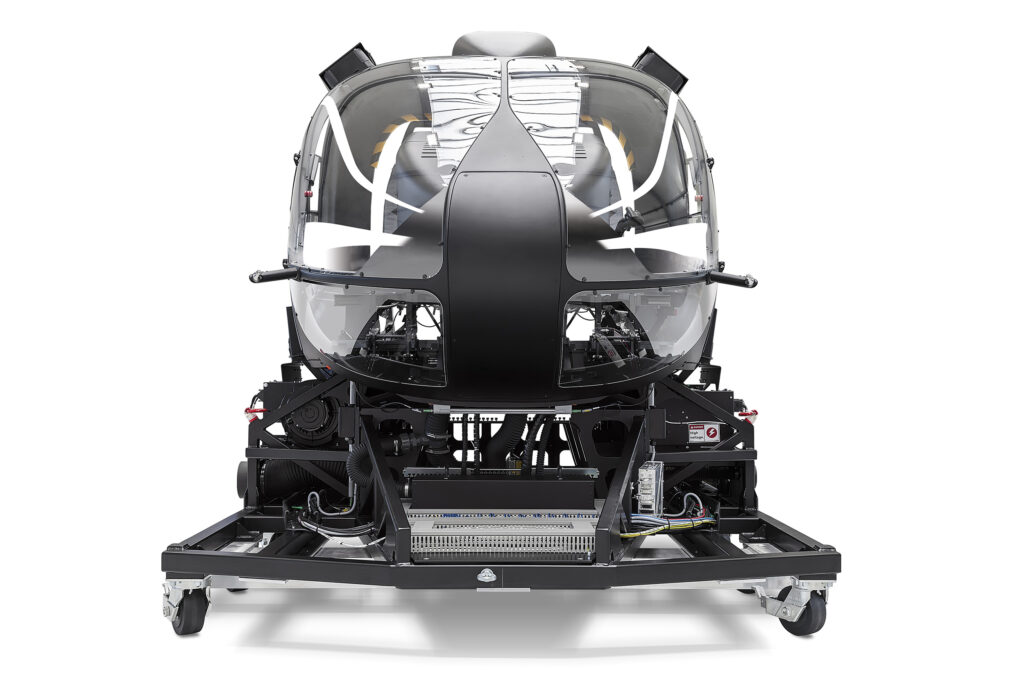
H145
Training cockpit for the Airbus H145. The true-to-life replica supports training with authentic cockpit design and type-specific operating logic.
Airbus
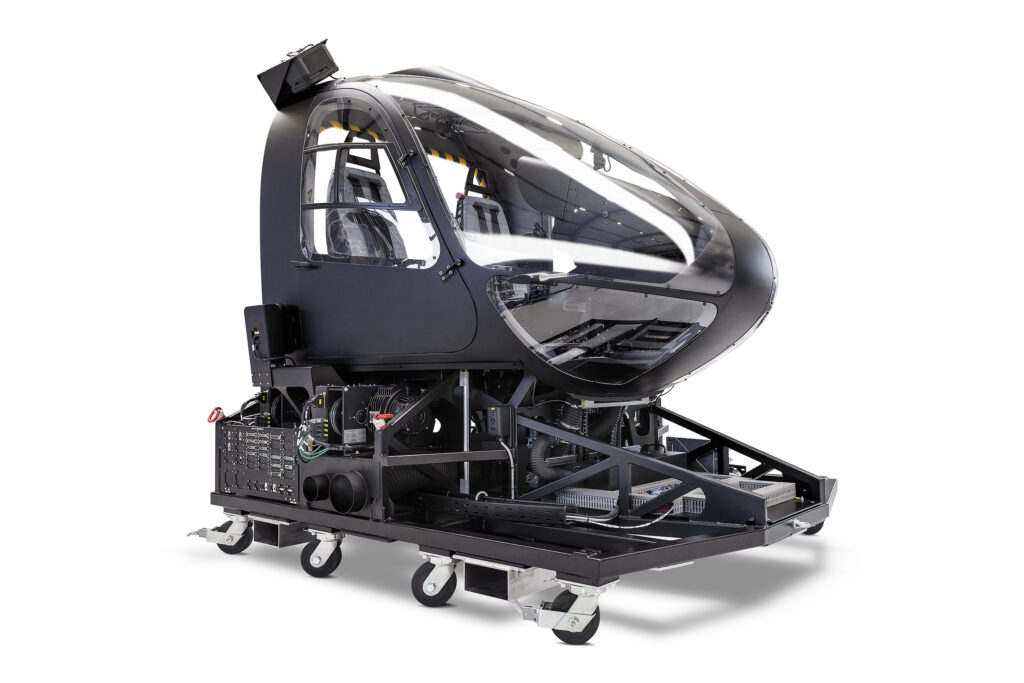
H135
Training cockpit for the Airbus H135. The configuration reproduces the relevant cockpit areas and controls of the type.
Airbus
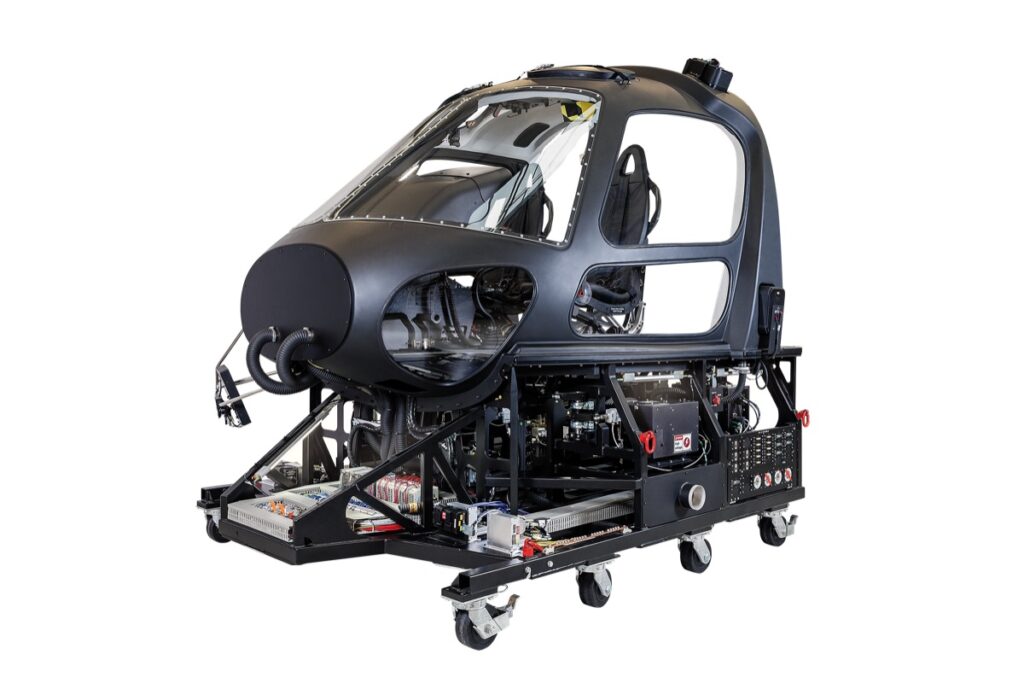
H125
Training cockpit for the Airbus H125. A true-to-life cockpit environment for practical training and instruction scenarios.
Airbus
H175
Training cockpit for the Airbus H175. A true-to-life cockpit environment for practical training and instruction scenarios.
Leonardo
AW139
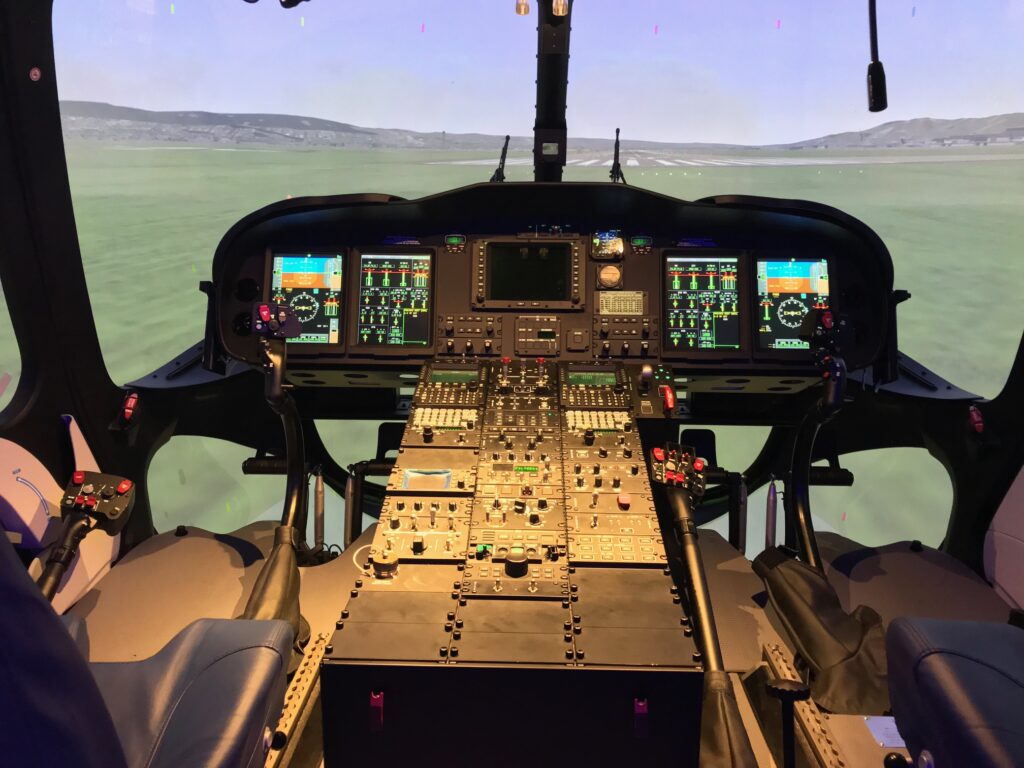
Training cockpit for the Leonardo AW139. A true-to-life cockpit environment for practical training and instruction scenarios.
Leonardo
AW169
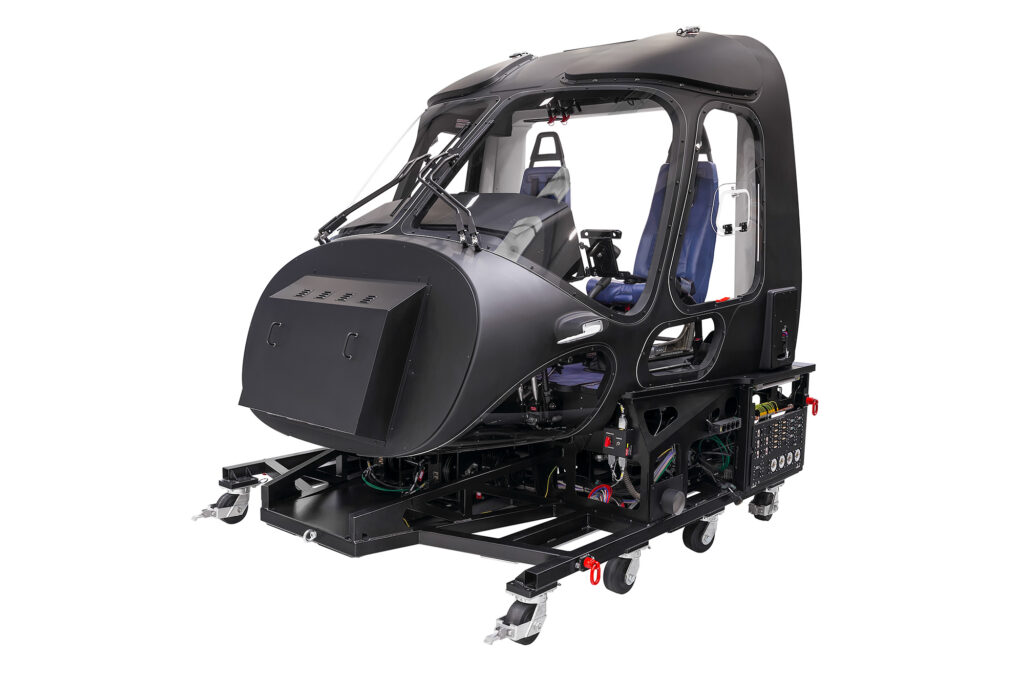
Training cockpit for the Leonardo AW169. A true-to-life cockpit environment for practical training and instruction scenarios.
NHIndustries
NH90
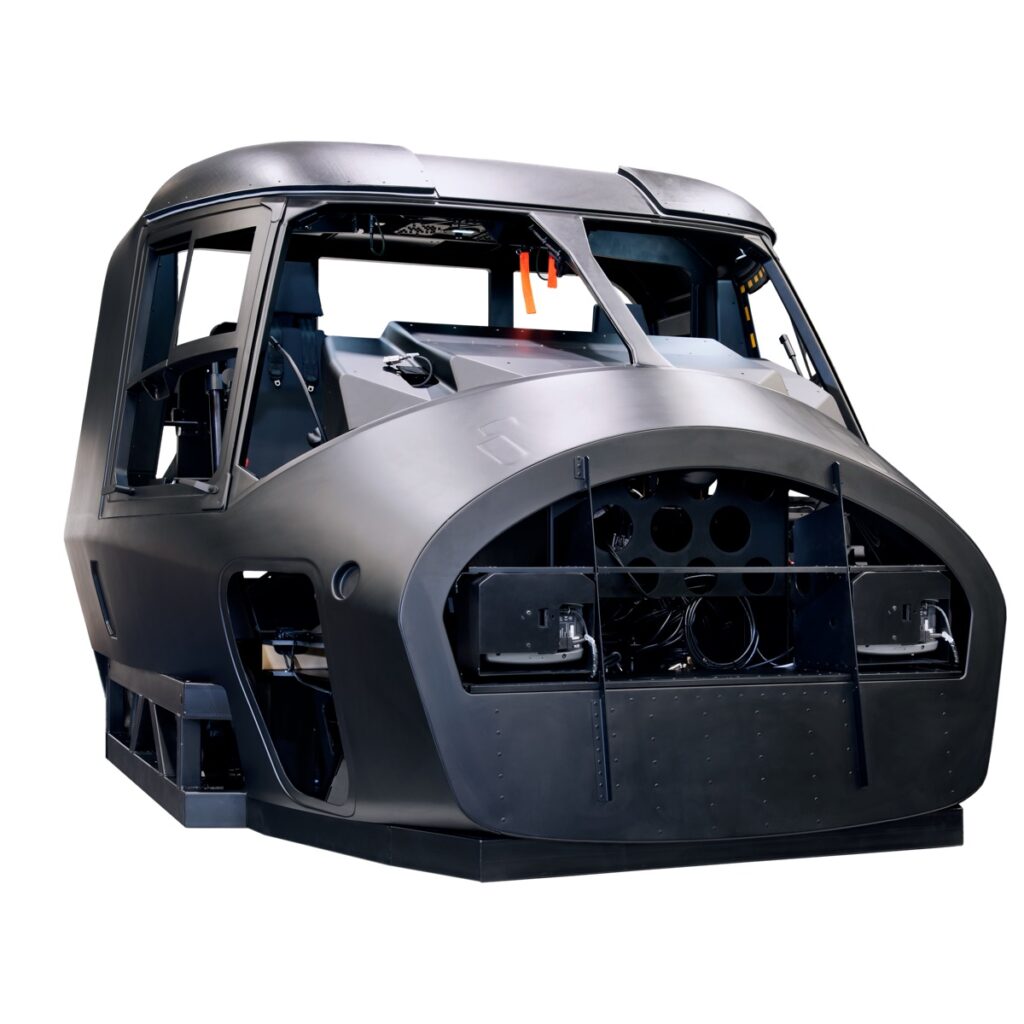
Training cockpit for the NH90. Developed for demanding military training with an authentic representation of the cockpit area.
Rotary
Fixed Wing
FFS / Fixed Wing
Cockpit solutions for fixed wing training. The different configurations allow an application-oriented representation of various aircraft types on one shared simulator platform.
Pilatus
PC-21
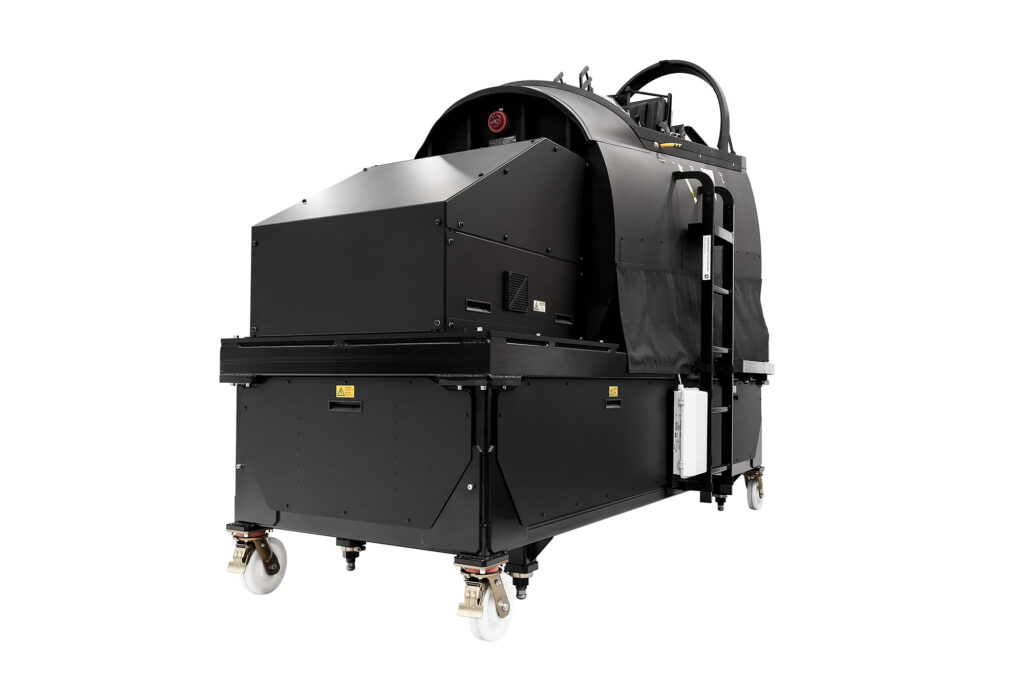
Training cockpit for the PC-21. The true-to-life design supports standardized training sequences and preparation for complex flight situations.
Eurofighter
Eurofighter
Training cockpit for the Eurofighter. The configuration reproduces the relevant cockpit areas and controls for true-to-life training.
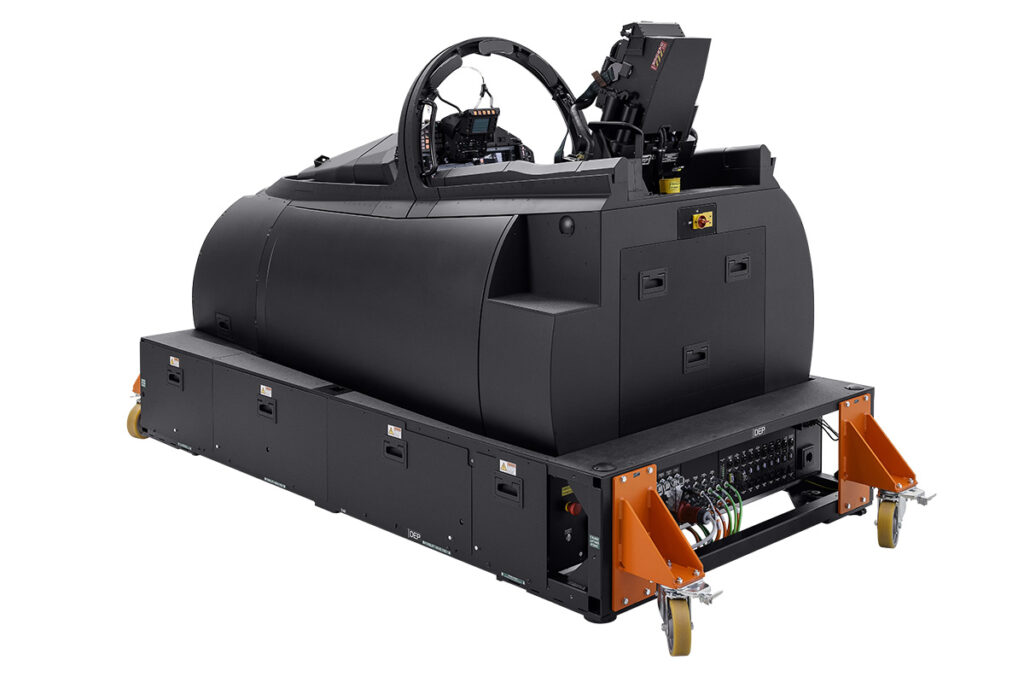
Overview
Several cockpit modules. One Level D platform.
The REISER 11ft. Full Flight Simulator (FFS) combines a central mothership platform with interchangeable cockpit modules. Different helicopter configurations therefore share one infrastructure, with true-to-life motion, vibration, visual and audio simulation. The platform is designed for demanding training, from type rating and recurrent training to NVIS, IFR, offshore and rescue scenarios.
The challenge
Different aircraft types place different demands on cockpit, avionics and training environment. The modular REISER platform creates a common basis for this and allows different cockpit modules to be used in the same mothership infrastructure.
The solution
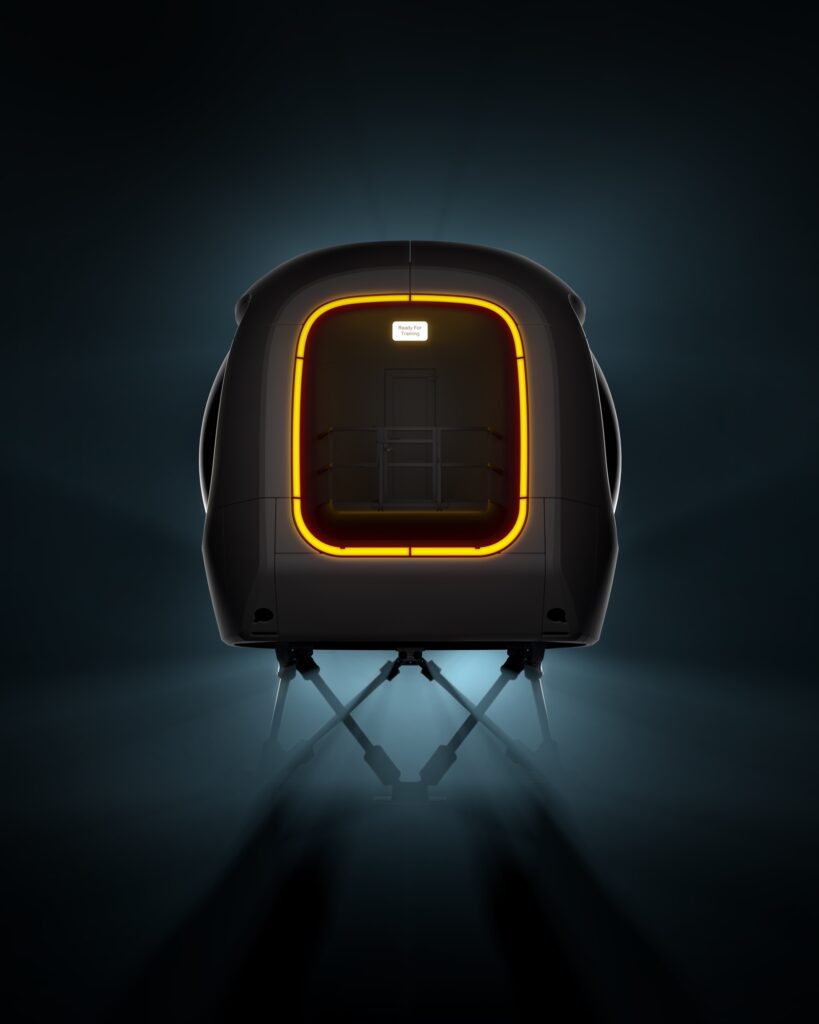
The 11 ft mothership is designed as a carrier platform for interchangeable cockpit modules. The integrated RoRo function moves cockpits out of the platform for a changeover or for maintenance work. The central infrastructure stays in place and can be configured project by project with the required simulation systems and training content.
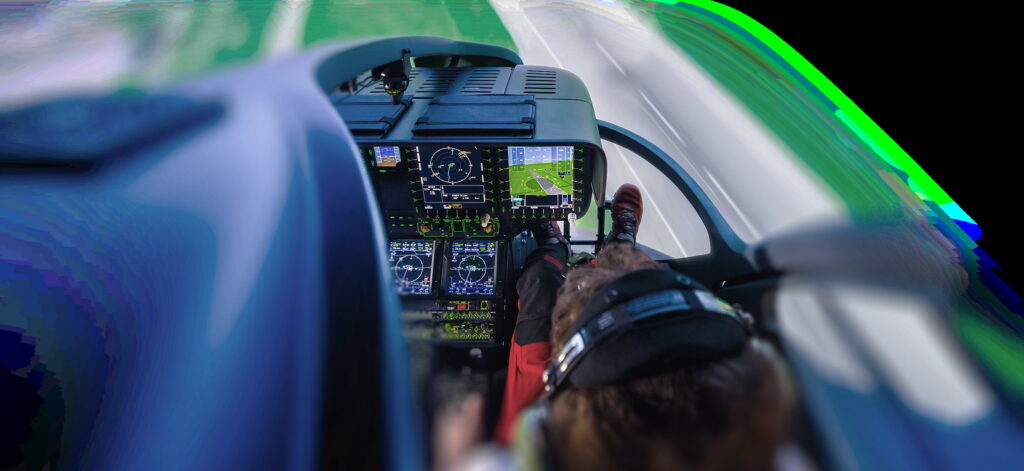
The benefits
One platform, several cockpit modules
Level D capable simulation infrastructure
RoRo function for changeover and maintenance
Typical application scenarios
Type Rating
Recurrent Training
IFR training
NVIS training
Offshore operations
Hoist and rescue operations
The system in detail
Realistic training comes from the interplay of all parts. The integrated REISER simulation system connects mothership, motion system, vibration, visual system, audio and further subsystems into one continuous training environment. Each component has a clear function. Together they enable precise, immersive and adaptable training scenarios.
1
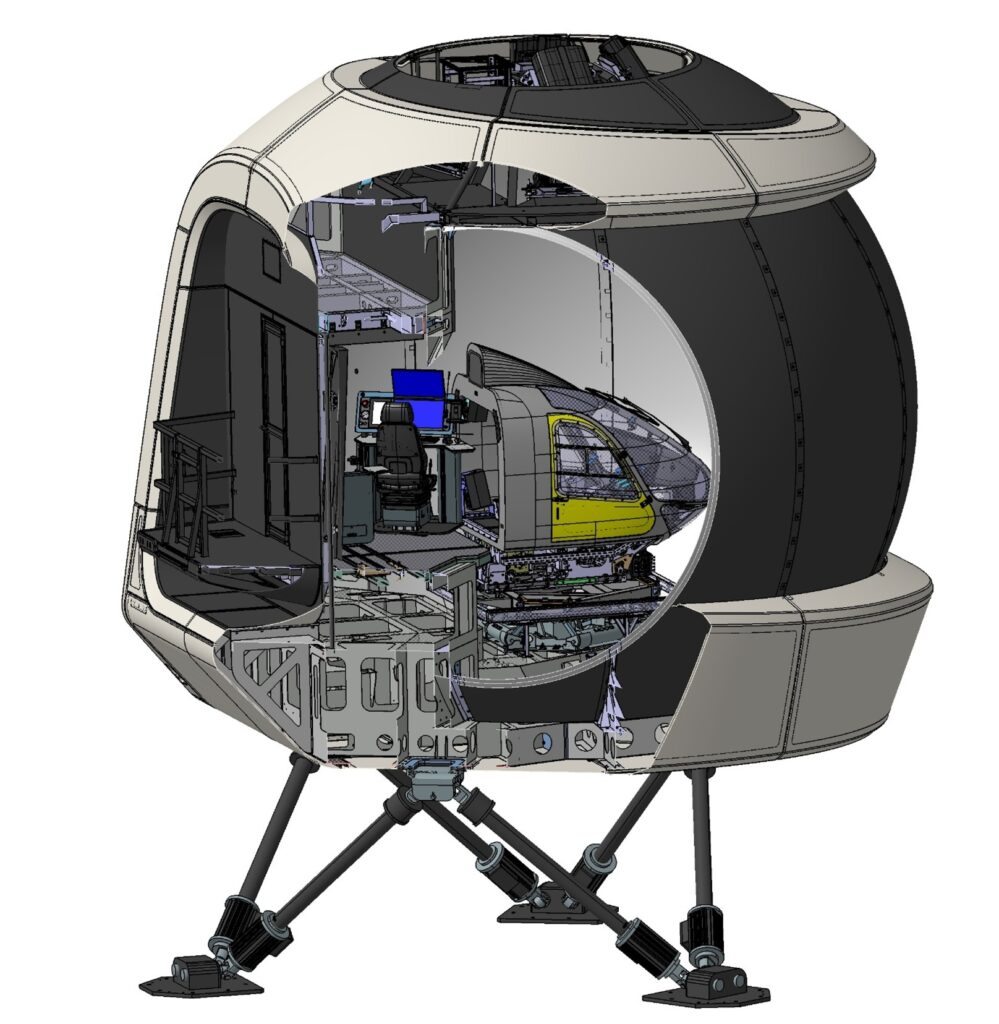
MOTHERSHIP
The 11 ft mothership is the central platform for different cockpit modules. The chosen size covers small types such as the H125 through to large helicopters such as the H175 or the NH90.
Central platform for interchangeable cockpit modules
Designed for different helicopter and aircraft types
Roll-on/roll-off concept for flexible training configurations
Accommodates the subsystems required for the respective cockpit
2
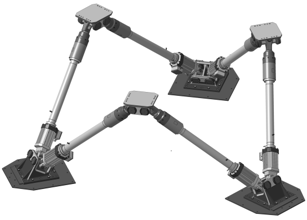
MOTION SYSTEM
The motion system reproduces movements and accelerations within the training environment in a true-to-life way. Depending on the training requirement, different motion systems and subsystems can be used and integrated into the overall architecture.
Realistic representation of movements and accelerations
Different motion systems and subsystems can be used
Selection matched to platform, cockpit and training requirement
Integration into the overall architecture of the simulator
Manufacturer-independent system selection
3
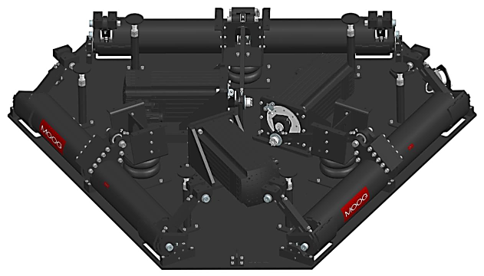
VIBRATION SYSTEM (VPL)
The electro-pneumatic vibration system reproduces the typical vibration components of a helicopter precisely. It adds perceptible frequencies to the motion platform and supports a realistic training feel.
3-DOF electro-pneumatic vibration system
Payload of up to 1,500 kg
Representation of longitudinal, lateral and vertical vibrations up to 35 Hz, designed for relevant main rotor frequencies such as those of the H145D3
4
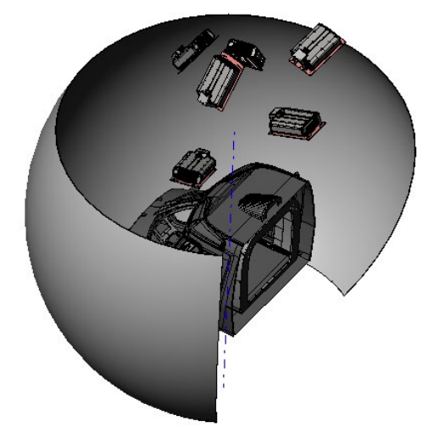
VISUAL SYSTEM
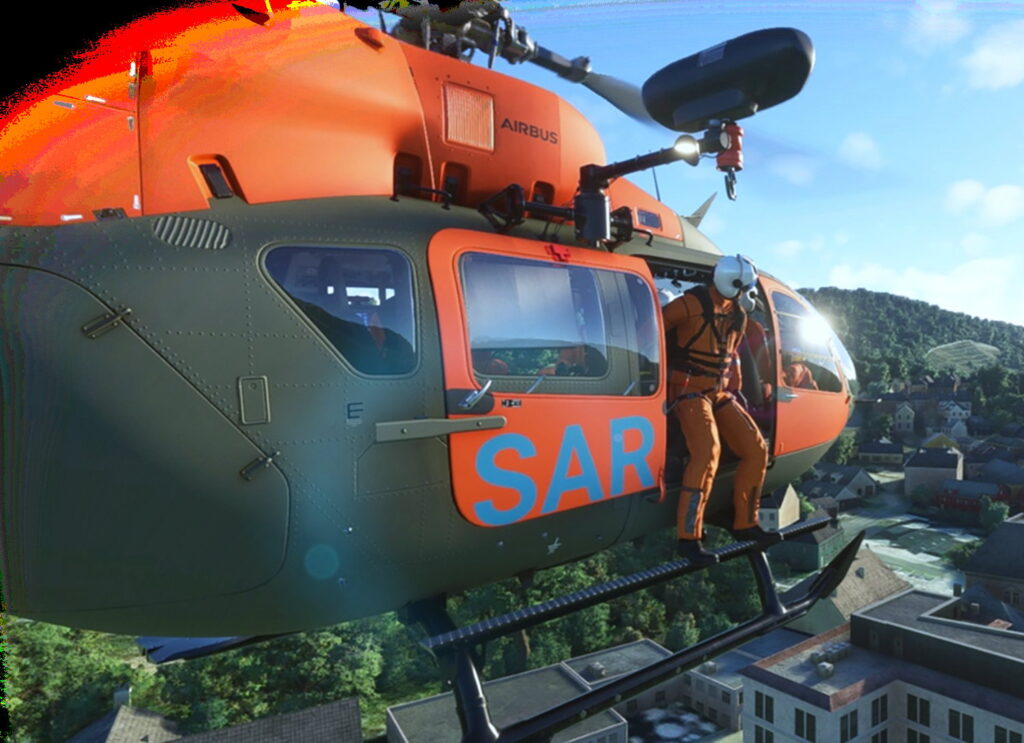
The visual system produces a large, NVIS-compatible field of view for true-to-life training scenarios. The projector arrangement also supports demanding flight profiles such as low-level flight, approach procedures and external load operations.
Projectors, NVIS-compatible
240° horizontal and 80° vertical field of view
Field of view including chin window coverage
Projector arrangement that avoids shadows and visible blending zones
Manual calibration according to the project-specific calibration manual
5
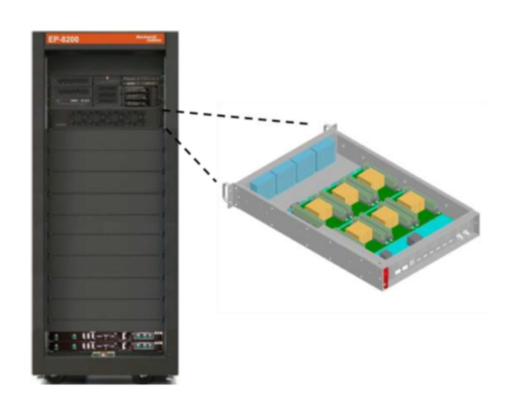
IMAGE GENERATOR SYSTEM
The image generator system creates the visual training environment for different mission scenarios. It supports normal and NVG operation, additional camera perspectives and integration with existing customer databases.
Image generator system for realistic training scenarios
6 + 6 OTW channels for normal and NVG views plus additional channels for external cameras
Stealth view for briefing and debriefing, optionally also for the Instructor Operating Station
Compatible with existing customer databases
Configurable for training scenarios such as Forest Fire, Sinking Ship, Cliff Winching and Wind Turbine
6
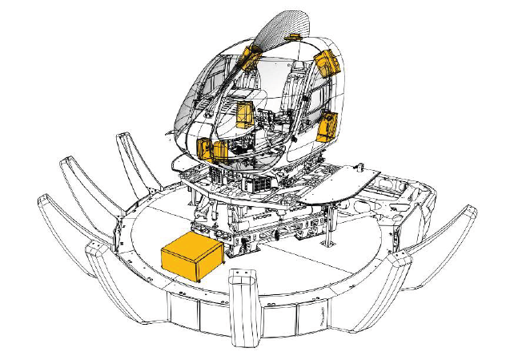
AUDIO SYSTEM
The audio system combines realistic ambient sound with full intercom functionality for all simulator positions. This creates authentic acoustic cues and clear communication during training.
Environment simulation via the audio and communication platform
Two front speakers, four rear speakers and one subwoofer
Sound levels calibrated to certified reference values
Channels can be controlled and muted from the Instructor Operating Station
Intercom for pilot, copilot, instructor, observer and jumpseat
7
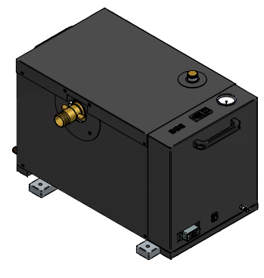
SMOKE SYSTEM
The smoke system enables true-to-life training of smoke and fire scenarios in the cockpit. Three separately selectable smoke zones are controlled directly from the Instructor Operating Station.
Three separately selectable smoke zones for instrument panel, center console and overhead panel
Central smoke unit outside the mothership
Activation and control from the Instructor Operating Station
Water-based smoke fluid with nitrogen for a fine and safe distribution
Smoke extraction via an integrated fan and filter system
Heat-up time approx. 10 minutes
8
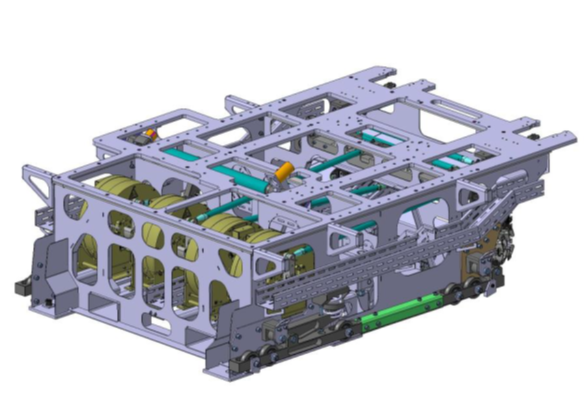
H145D3 CONTROL LOADING SYSTEM (CLS)
The control loading system reproduces the control forces of the H145D3 precisely and delivers a realistic, true-to-life control feel. Four high-fidelity actuators drive the individual axes independently of each other.
Four-channel system with high-fidelity actuation system
Precise control feel through low-friction mechanics with almost no play
Separate CLS channels for pitch, roll, collective and yaw
Maintenance-friendly actuator layout with direct access through service openings
Application scenarios
Experience the FFS live.
On site in Berg or remotely. Our experts show you the system in operation and answer technical questions directly.
FAQ
The REISER Full Flight Simulator (FFS) Level D is a modular training platform for demanding flight and mission scenarios. The 11 ft mothership combines interchangeable cockpit modules with precise motion and vibration simulation, a large-area visual system and realistic audio and intercom simulation. The following answers cover supported aircraft types, qualification standards, training scenarios and what the platform makes possible.
What is the REISER 11ft. Mothership?
The REISER 11ft. Mothership is the central platform of the Full Flight Simulator (FFS) Level D. It provides the infrastructure for true-to-life flight training and serves as the carrier platform for interchangeable cockpit modules.
Which aircraft types can be simulated?
In the current configuration the simulator supports the Airbus Helicopters H145 D3 with Helionix version 10 and the Airbus Helicopters H135 T3H. The platform is also designed for the integration of further cockpit modules. Actual availability depends on the respective project configuration.
What does the modular platform mean?
The mothership platform allows different cockpit modules to be used on one shared simulator infrastructure. The training environment can therefore be adapted to different aircraft types and project-specific requirements.
Which qualification standards are supported?
The Full Flight Simulator is designed for qualification to EASA CS-FSTD(H) – Level D, FAA 14 CFR Part 60 – Level D and UK CAA – Level D. The actual qualification is always carried out for the specific simulator and cockpit configuration.
Which training scenarios can be run?
The simulator supports training for forest fire fighting, rescue operations at a sinking ship, hoist operations on steep slopes and missions at wind turbines, among others. The scenarios are created and configured from the Instructor Operating Station and can be adjusted during training.
How true to life is the simulation?
The system combines a 6-DOF motion platform, an additional vibration system, a visual system with a 240° horizontal and 80° vertical field of view and a realistic audio and intercom simulation. Movement, vibration, vision and acoustic cues come together in the training.
Can customer-specific training scenarios be integrated?
Yes. The image generator system is compatible with existing customer databases. In addition, training scenarios can be configured project by project, including customer-supplied ship and vehicle models.
How do acceptance and qualification work?
The REISER Full Flight Simulator (FFS) Level D combines a modular 11 ft mothership platform with interchangeable cockpit modules and powerful simulation systems. Here you find answers on aircraft types, qualification, training scenarios and the technical capabilities of the platform.