
Contact

Request a demo

Insights ·

Tech Stories

Airbus H140: Training Readiness Starts Before the First Flight

April 22, 2026 Approx. 1 min read Tech Stories

The Airbus H140 is coming. But being ready from day one takes more than a new helicopter. What matters is which training requirements are defined today, and which skills need to be built before the first mission.

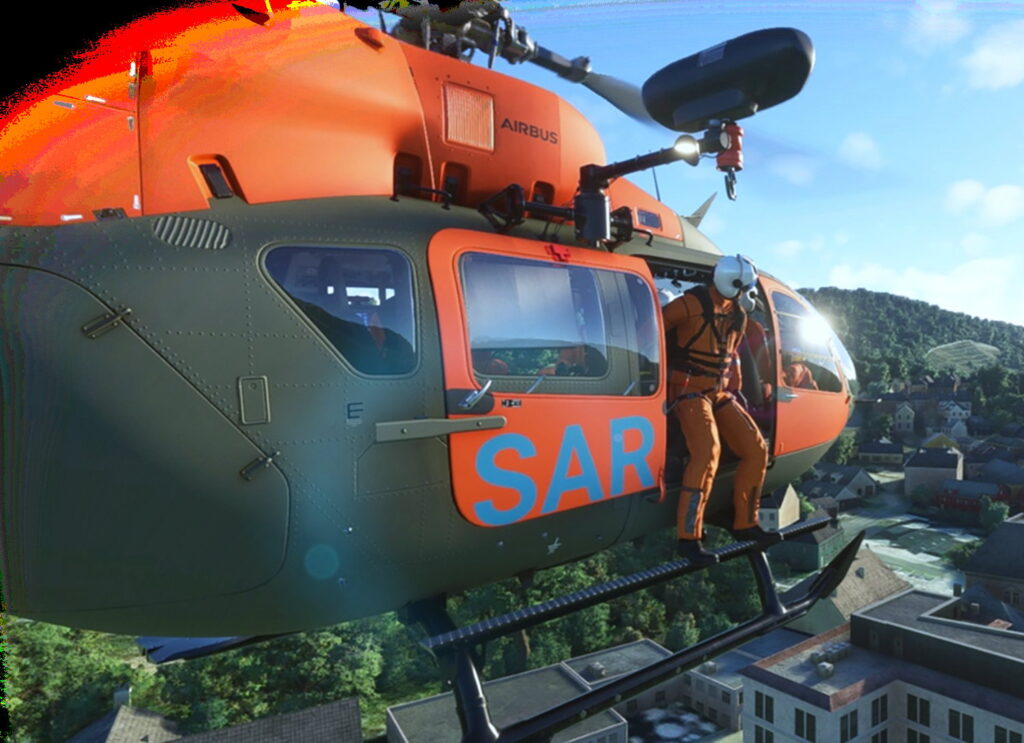
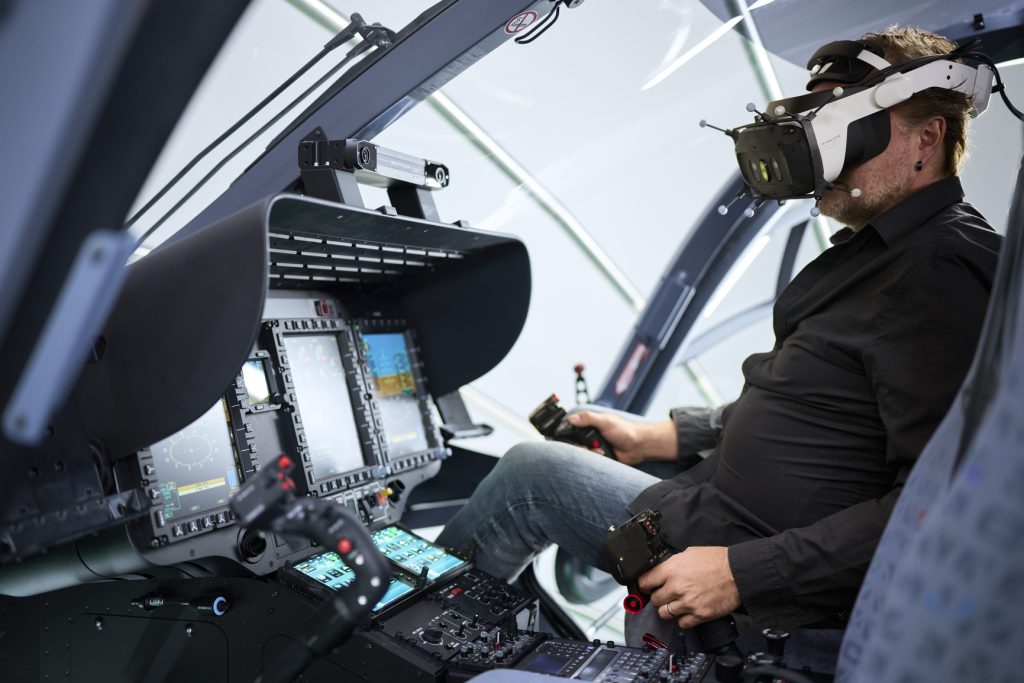
Airbus H140 in a training environment

KEY TAKEAWAYS

The H140 brings new requirements for crew, mission and training.

Training objectives should be defined before training gaps emerge.

FFS, FTD and XR can cover different parts of the training program.

What matters is how the training devices work together, not the single device.

Starting point

The Airbus H140 has been announced. For operators and training organizations, this marks the start of an important planning phase: which skills do crews need to build and train before the first real mission?

With a new aircraft, it is not just about cockpit and cabin. New systems can also change role distribution, communication, mission procedures and the way the crew works together. These requirements should therefore feed into the training concept early on.

Whoever starts training planning only after the type has entered service is reacting to gaps that already exist. It is better to look at the requirements together from the start:

  • Which content needs to be trained with high immersion?

  • What can be practiced efficiently and repeatably in the FTD?

  • Where can XR usefully complement the training?

  • Which scenarios reflect the actual missions?

Training readiness emerges where these questions are not answered in isolation.

3  Questions

Training objective · Mission profile · Training devices

1 GOAL

Crew ready for the mission

START

Plan training by skills, not by devices

The solution
Plan training by skills

A robust training concept does not start with the question of which simulator is available. First, it must be clear which skills are to be built, trained and verified.

From there, it can be derived which training device is suited to which content:

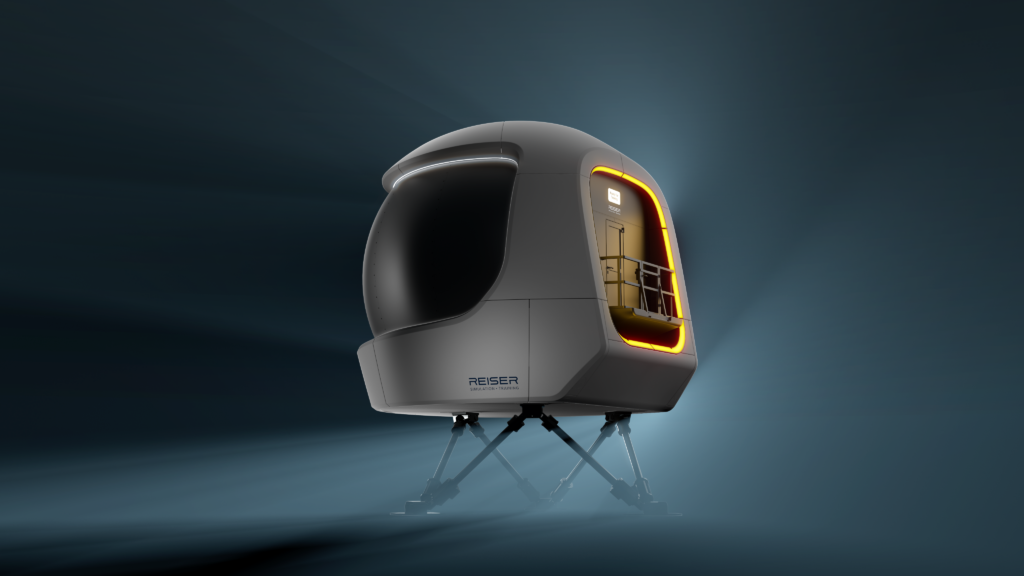
  • Full Flight Simulators for highly immersive scenarios, complex system procedures and realistic mission profiles.

  • Flight Training Devices for repeatable training of specific procedures, systems and workflows.

  • XR solutions for spatial understanding, technical content and complementary training sequences.

The result is not the most complex possible training fleet but a coordinated system. Each training device takes on the task where it offers the greatest value.

Produkt Media Thumb 2

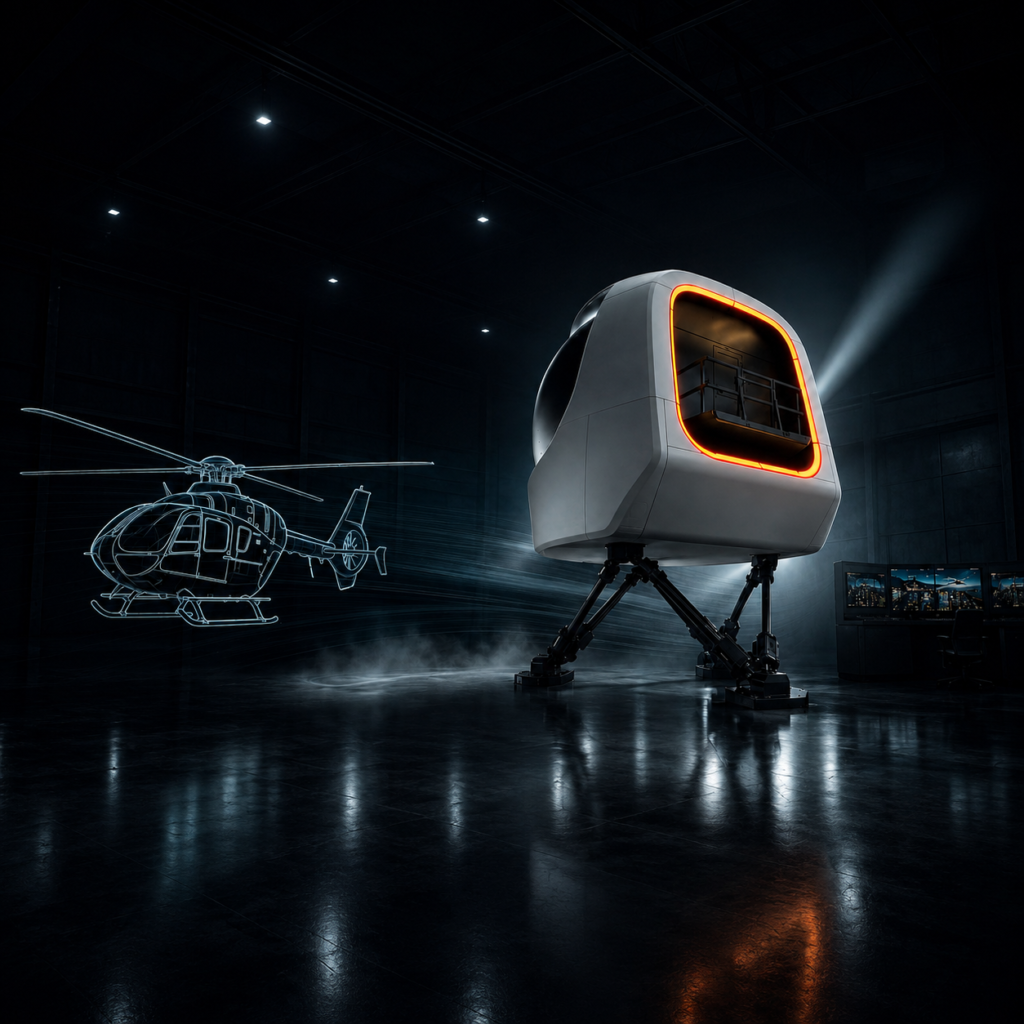
The right training solution emerges from the interplay of mission profile, crew requirements and suitable simulation building blocks.

"The command language between cockpit and cabin should be clear in training, before the crew needs it on a real mission."

Crew cooperation can be planned, trained and verified.

TRAINING 01

Define the mission profile
Jointly describe mission types, role distribution and critical decision situations.

TRAINING 02

Assign training devices
Combine FFS, FTD and XR according to training objective and desired level of immersion.

TRAINING 03

Develop crew scenarios
Train cockpit, cabin and other roles involved together in realistic scenarios.

TRAINING 04

Prepare for entry into service
Identify training gaps early and gradually align the training program with the H140 introduction.

Result

Defining training requirements early creates a solid foundation for the introduction of a new aircraft. Crews can be prepared in a more focused way, training devices can be combined meaningfully, and scenarios can be aligned with the actual mission profile.

An early planning question thus becomes a concrete training path. The result is not a single device but a concept that brings crew, mission and technology together.
More insights

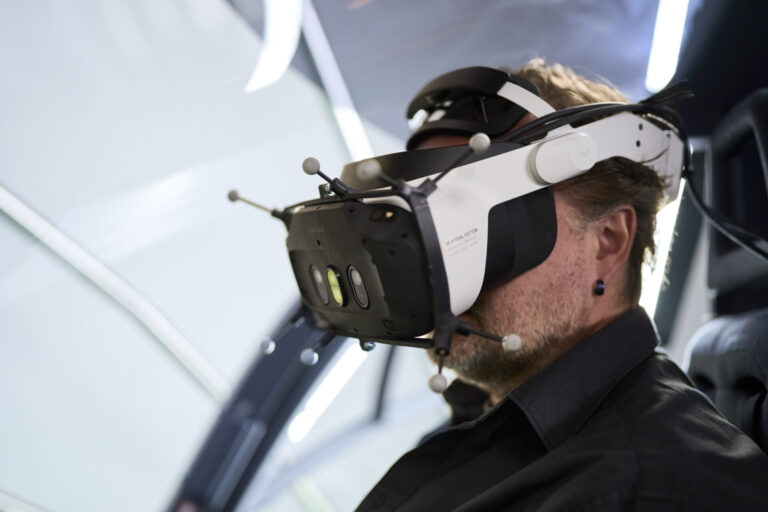
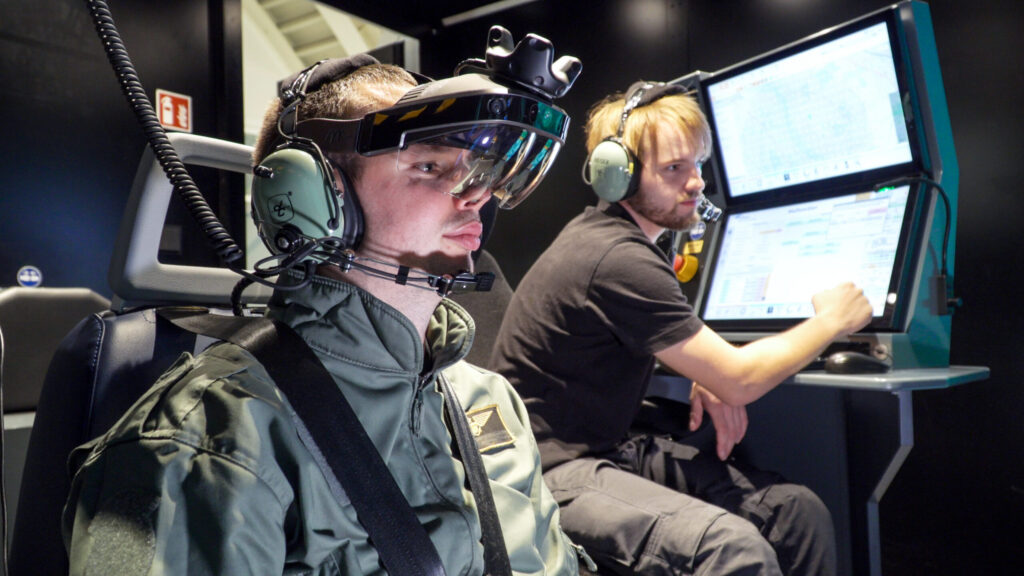
Trainee wearing a mixed reality headset in the XR-SIM
Tech Stories
August 21, 2026
In the ARTE research project we are developing an AR/MR flight simulator for two people together with DLR. The instructor station moves into the head-mounted display, and eye tracking and physiological sensor data supply training metrics in real time.