
KEY TAKEAWAYS
As the number of H145 in Starspeed's environment grew, so did the need for suitable training capacity.
At the time of the investment decision, more than 50 pilots had to be trained on the H145 type.
An in-house Flight Training Device provides more control over training times, content and the development of custom scenarios.
Because H145 are operated under very different conditions, training needs to be able to reflect the specific operation.
Starting point
As a management company, Starspeed is closely involved in the operation and training of helicopter crews. With the growing number of H145 in its environment, the need for simulator time grew as well. At the same time, it became harder to book suitable training capacity. In the United Kingdom and the surrounding region, only limited options were available.
For Starspeed, this was about more than availability. When pilots have to travel far for training, additional absences from flight operations add up. Training slots are harder to align with the requirements of the fleet, and training becomes more dependent on external capacity.
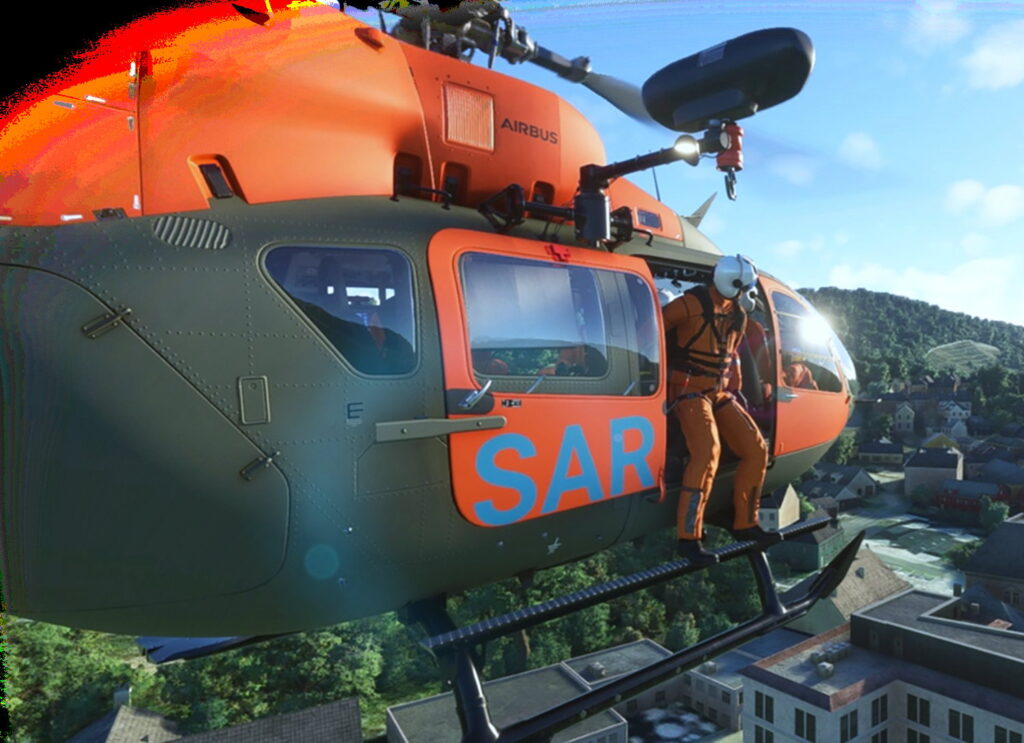
Added to this is the diversity of operational profiles. Starspeed's H145 operate in very different environments: on yachts, on land, in Antarctica or in hot climates. Standardized license training alone can only partially reflect these differences. What was needed was a training solution that enables operator-specific content and can evolve with the company's own requirements.
The decision to acquire an in-house training device grew out of this combination of demand and ambition: more available training time, more influence on content and a better fit with the actual operation.
50+
Pilots with H145 training needs
1 FTD
Starspeed's own training device
UK
Training closer to operational needs
Solution
An in-house FTD for more flexibility
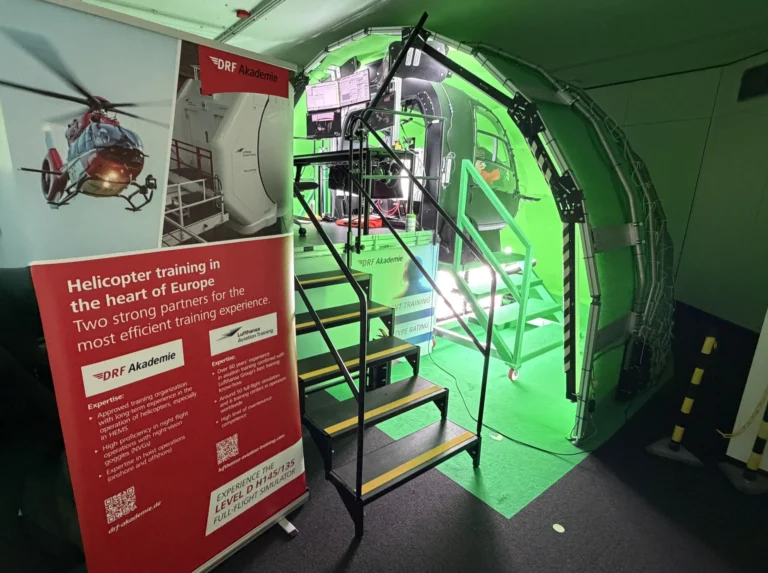
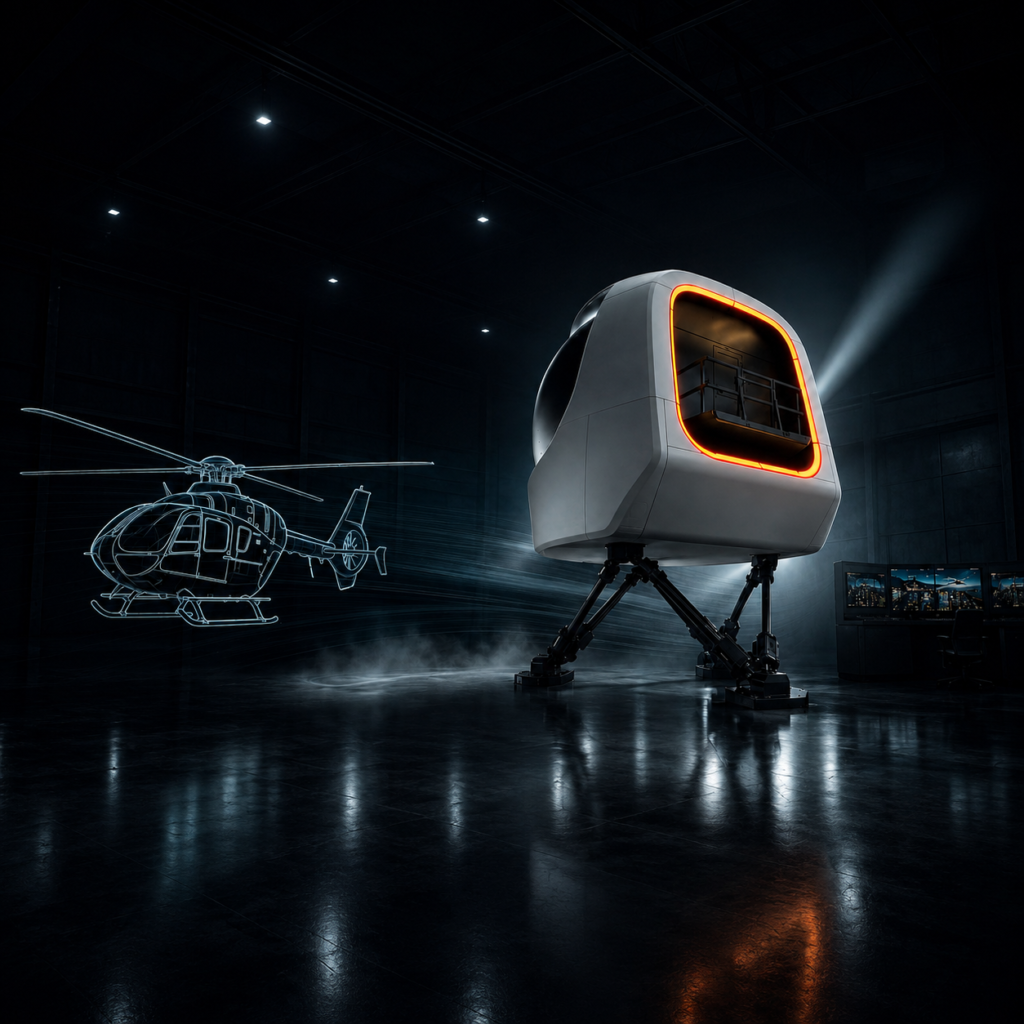
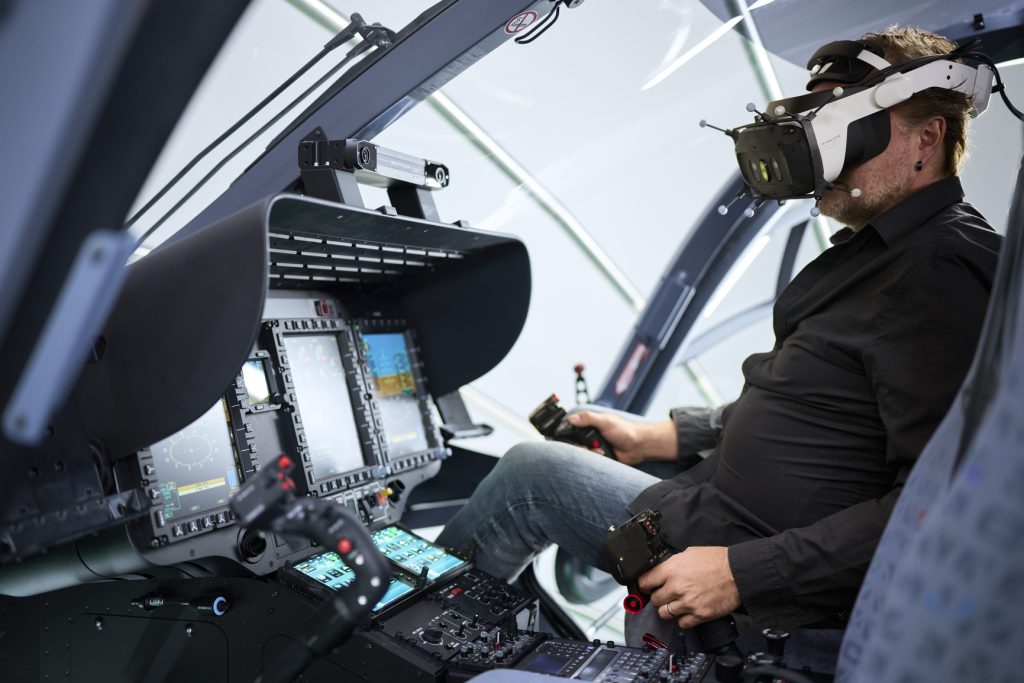
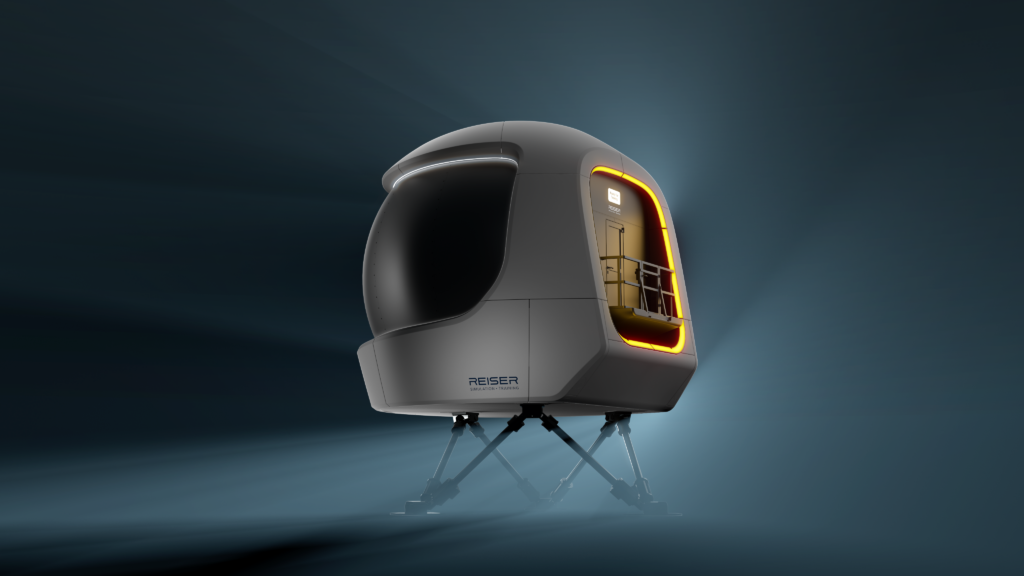
Starspeed opted for its own H145 Flight Training Device from REISER. The training device was not just meant to reproduce existing training content. It was also meant to give Starspeed the ability to plan training more independently and align content more closely with its own operational profiles.
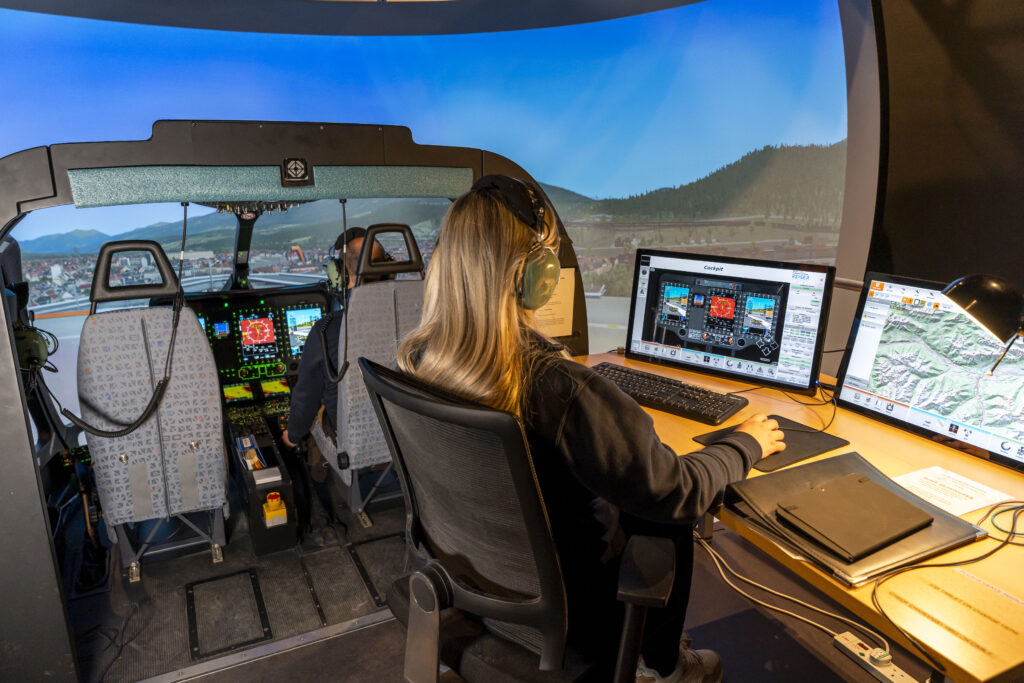
With its own FTD, Starspeed can integrate training slots better into day-to-day operations. The device is available when the fleet and the crews need it. Training can be organized in a more plannable way, without tying every training decision to the availability of external simulators.
External customers in the United Kingdom benefit as well: the training capability is closer to their area of operation. Travel times and additional absences can be reduced, while the available time can be used more for the actual training.
Training matched to the specific mission
The ambition for the training device goes beyond standardized procedures. The H145 operate in different roles and environments. Training therefore also has to reflect the situations in which crews will later apply their skills.
For Starspeed, this means being able to develop training content further and adapt it to different operator requirements. Examples include different mission profiles, special operating environments and crew cooperation under realistic conditions.
Combining FTD and FFS meaningfully
The FTD is not meant to replace the Full Flight Simulator as such. Its strength lies in complementing it: certain content can be trained more frequently, more specifically and more efficiently in the FTD. The FFS remains important where a high degree of immersion and full motion simulation are required. For Starspeed, the result is a more flexible training architecture. The question is not which training device has to do everything. What matters is which system offers the greatest value for which training content.
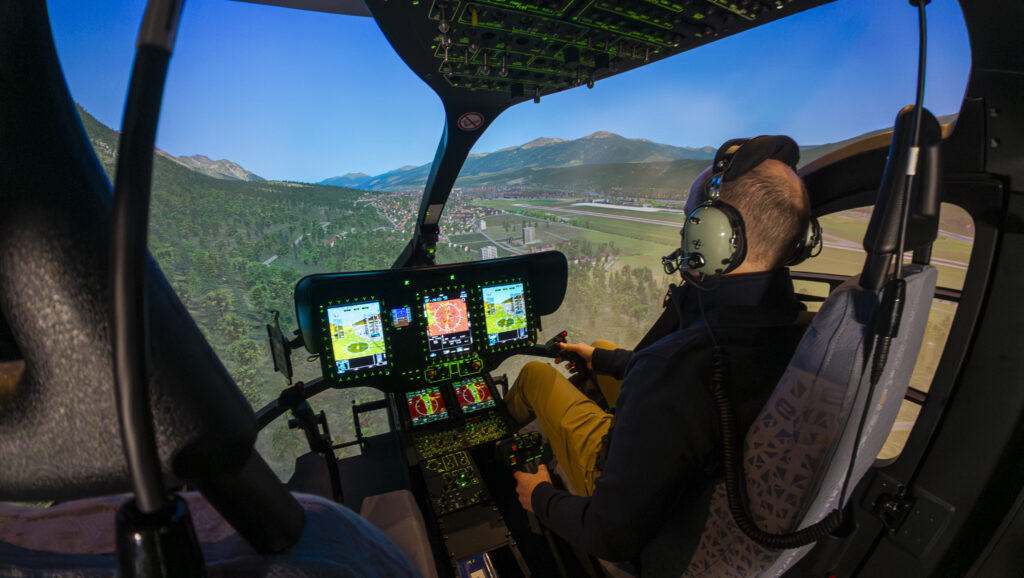
An in-house training device creates the basis for planning training closer to actual operating conditions and operational needs.
"It is about more than buying a simulator. It is about building a long-term partnership and developing training together."
Simon Mitchell · Starspeed
MILESTONE 01
Understand demand and operational profiles
It started with the question of how Starspeed could better cover the growing H145 training demand. Alongside the number of pilots, the different operating environments and the requirements of the operators it supports were also considered.
MILESTONE 02
Validate concept and requirements
Before implementation, it had to be clarified whether the concept of the training device could meet the technical and regulatory requirements. This early check was essential before further development and investment steps were started.
MILESTONE 03
Accompany certification together
The responsible aviation authority was involved in the process early on. Requirements and feedback could be taken into account during development instead of only becoming visible at the end of the project.
MILESTONE 04
Develop training content further
With its own FTD, Starspeed can do more than use existing content. The company can also develop new scenarios relevant to its operational profiles, such as training content for operations from yachts and other moving platforms.
MILESTONE 05
Integrate training into operations
The training device becomes a fixed part of the training architecture. Times, content and cooperation with external customers can be planned closer to operational requirements.
Result
With its own H145 Flight Training Device, Starspeed has more control over planning and delivering its training offering. The company can adapt training slots better to the requirements of the fleet and relies less on external simulator availability.
For crews and operators in the region, local availability means a shorter path to training. This helps limit absences from flight operations and use available training time in a more targeted way. At the same time, the FTD opens up new possibilities for operator-specific training. Starspeed can develop scenarios matching different operating environments and expand this content step by step.
More training value through the right combination
For Starspeed, the key insight does not lie in the decision for a single training device. The value comes from the combination: an FTD can cover certain content more frequently and more cost-effectively, while the Full Flight Simulator is used for other training objectives.
Additional capacity thus becomes a flexible training building block. Pilots get more opportunities to practice, operators can integrate training better into their workflows, and Starspeed can develop its own training offering closer to real-world practice.
Conclusion
The Starspeed case study shows how growing training demand can turn into a long-term training solution. The starting point was not the question of a single device, but of more availability, more flexibility and a closer fit with the company's own operation.
With the H145 Flight Training Device from REISER, Starspeed can combine these goals. The company creates additional training capacity, develops operator-specific content and uses FTD and FFS where each offers the greatest training value.
The path leads from the real operational requirement to the right training architecture, not the other way around.