



The focus is on small and medium-sized companies in particular, which are regarded as the engine of innovation and economic strength.
World Creativity and Innovation Day is meant to encourage people to break up existing patterns of thinking and to look at problems and challenges in a new way. By finding new approaches and entering unfamiliar territory, innovations can emerge that are decisive for the profitability and competitiveness of companies.
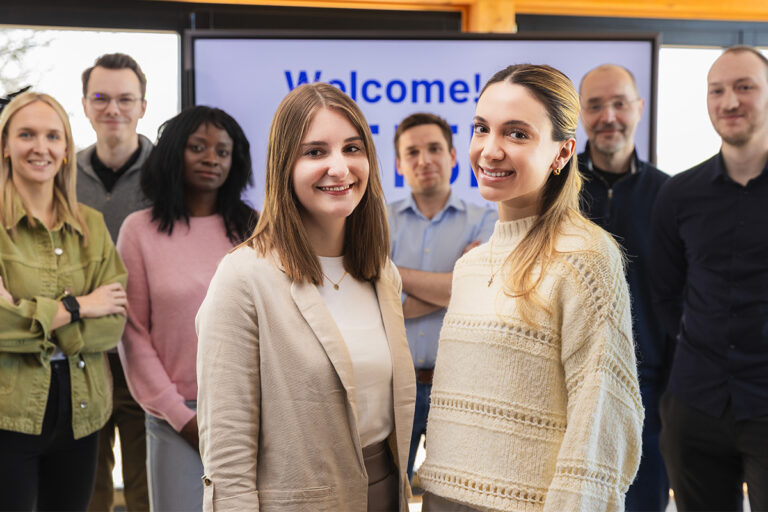
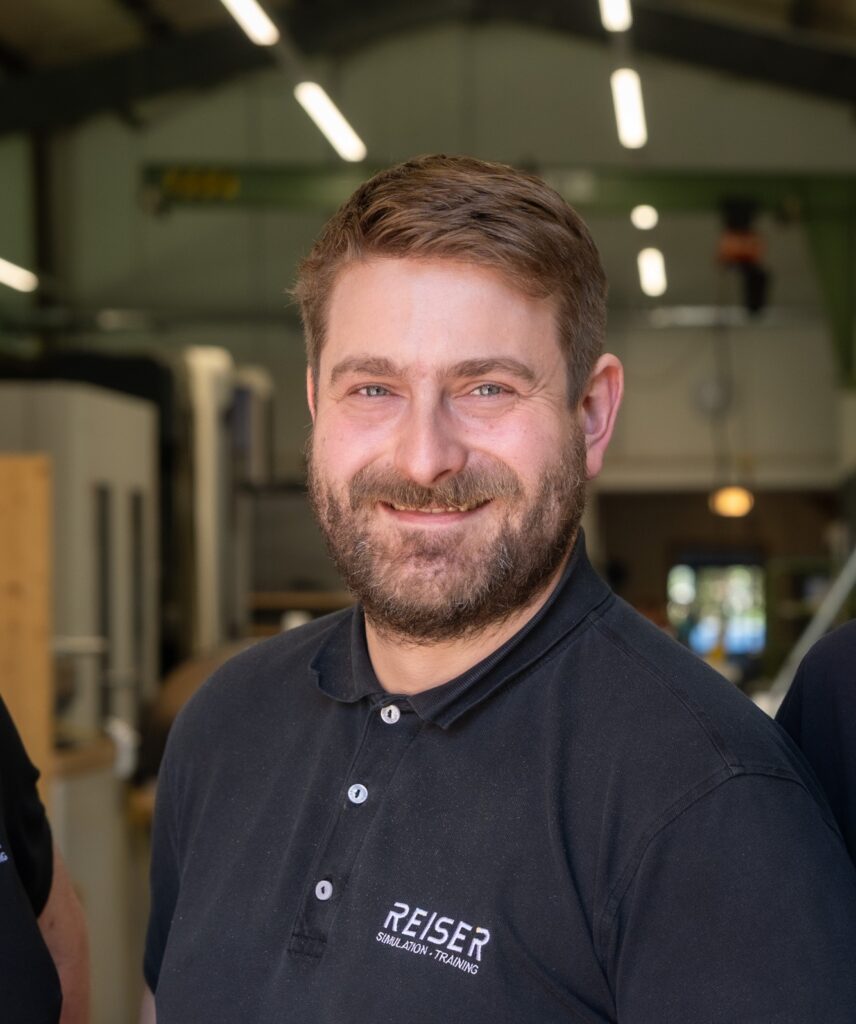
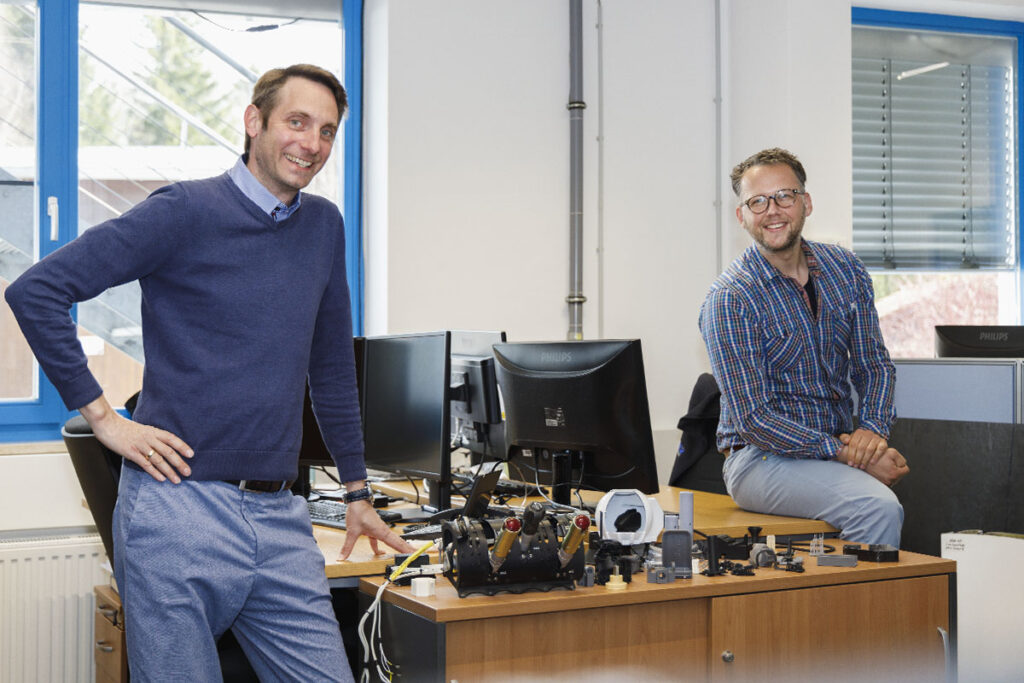
With a view to 21 April this year, Sarah from the HR team talked to Michael, head of operations, and Wolfgang, head of mechanical engineering, about creativity and innovation.
Summary
Since 2015 RST has been paying increasing attention to innovation and to handling it effectively in the company. With an open mind, the necessary spirit of discovery and a willingness to change, management approaches new ideas, which arise not least from the people in the company. RST likes to try things out, to analyse and test new paths. Even if in the end not all ideas and concepts can be put into practice, that is not seen as a step backwards. New findings from the test phases and the new perspectives gained already enrich the present and the future. The company greatly values it when employees question what exists and want to take new paths.
Alongside a continuous improvement process that has been in place for a long time, RST is additionally implementing innovation management.
Excerpts from the interview, accompanied by summaries of the conversation
Sarah: Hello Michael, hello Wolfgang. Thank you for taking the time for this conversation. Given the occasion of World Creativity and Innovation Day, I would first like to know what importance these two aspects have at RST.
Michael: The importance of innovation and creative thinking has grown a great deal for us in recent years and will become even more important in future. Without innovation our competitive advantages will fade over time, which is why we want to actively encourage it. That is why we have taken up innovation management actively over the past few years.
Creativity and innovation are closely linked. Inventiveness and originality are needed to cross old boundaries and take new paths in the form of ideas. How pronounced creative traits are varies greatly from person to person. So I was interested in what is decisive for Michael and Wolfgang in this respect.
Sarah: What does creativity mean to you personally, and what is needed to be able to be creative?
Michael: What matters is enjoying what you do and being able to let your mind run free. You have to be able to dream. That is only possible if you feel comfortable and ideas are not immediately suppressed by pessimists. So if you are trying to be creative in a group, the mood between the participants has to be right.
Wolfgang: I completely agree. To be able to be creative, you have to be free of pressure, for example time pressure or specifications about the content of the goal. You have to be allowed to run through thoughts and ideas several times and to exchange views with colleagues. You have to engage with that actively and clear your head of distractions.
At RST, ideas are also encouraged through specific methods and creativity techniques. Over the past few months this has been put into practice as part of a “strategic initiative”. Such initiatives are aligned with company goals, and employees can take part in them voluntarily. Anyone in the company who wants to contribute can join the strategic initiatives.
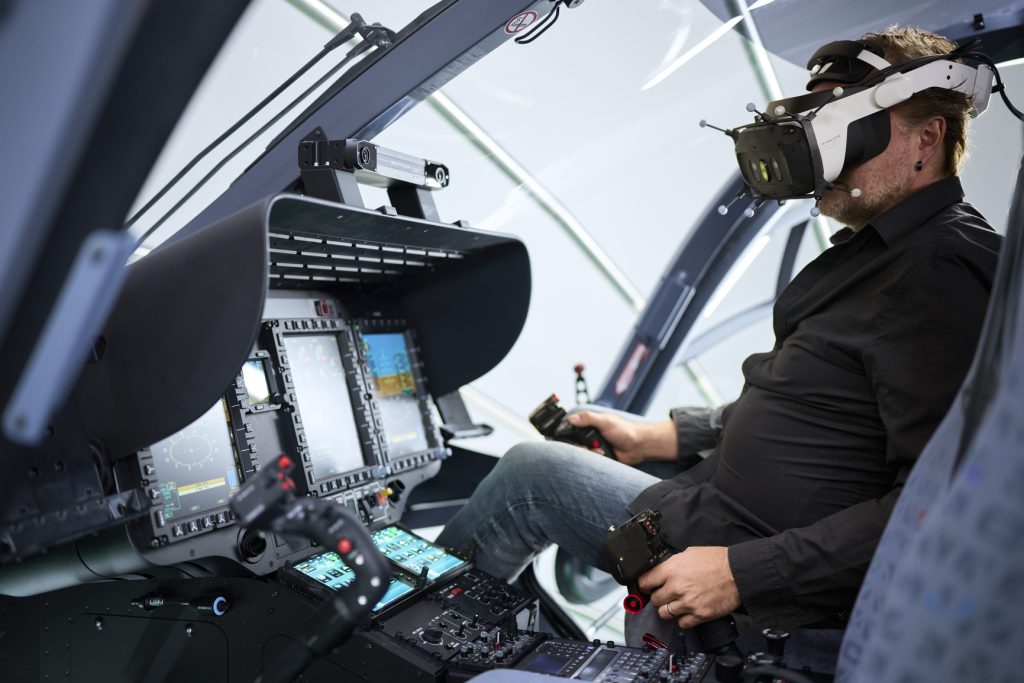
Wolfgang led the strategic initiative on “future training equipment and product improvements”.
Sarah: Wolfgang, what exactly was the goal of this strategic initiative?
Wolfgang: The goal of the initiative was to produce two concept papers each on product improvements and on products that are entirely new and innovative for RST. The concept papers are then assessed as part of business development and marketing. We did in fact manage to develop the four ideas we had set as our goal through the strategic initiative. Work on the concept papers is still ongoing.
Creativity, and therefore innovation, presupposes a particular company culture in which trying new things is allowed and encouraged. As Wolfgang and Michael have already explained, that is decisive for developing new impulses. What matters here is how a company responds to new ideas from its workforce.
Sarah: How are new ideas and innovation handled at RST?
Wolfgang: RST is very open to new ideas. The company’s history already shows that, with its development from producing individual simulation components in the early years to becoming a system supplier of very complex and multi-layered simulation systems. Such a development presupposes openness to the new. That is still actively lived today and can be seen well in the example of an idea from an earlier strategic initiative. The forward-looking idea and the concept developed from it were presented to the customer. After trying to put the idea into practice with a test set-up, it turned out that the components are not yet designed for it technologically. But that kind of insight is part of an innovation process too. In the end, not everything works out as planned. The customer’s feedback was still very positive. We tried something new with an open mind and with courage, without losing much time. As mentioned before, such an approach requires a company culture that allows and supports it. At RST that culture is there.
Sarah: What challenges does RST face when it comes to creativity and innovation?
Wolfgang: Within the strategic initiatives it is particularly challenging to steer the participating colleagues, who come from very different parts of the company and therefore have different perspectives on things, in a common direction so that shared ideas can emerge in the end. We also have to keep looking at which creative working techniques exist and which of them can usefully be applied to our initiatives.
Michael: Fundamentally it is important to convey to employees how important innovation is, so that they open up to new ideas. Creativity and the capacity to innovate often fall by the wayside alongside day-to-day business. But RST can only be innovative through the inventiveness of its people, and we have to strengthen that attitude among the workforce and among managers. Knowledge of creative working techniques, brainstorming being one example that almost everyone is familiar with by now, also has to be built up as a competency among employees. Beyond that, it is essential to create the time needed to generate ideas.
In conclusion, RST always welcomes new ideas and new approaches. The importance of innovation and of encouraging creativity in the company is decisive for long-term business success. Over the coming months and years a great deal will be done to build up and expand innovation management. Because as Albert Einstein said: “The mind that opens to a new idea never returns to its original size.”
We are happy to talk with you about innovation management. New inspiration, paths, ideas and thoughts are always welcome. Feel free to contact Sarah Kuhn, HR officer, at sarah.kuhn@reiser-st.com. We are also happy to answer your questions on the subject.